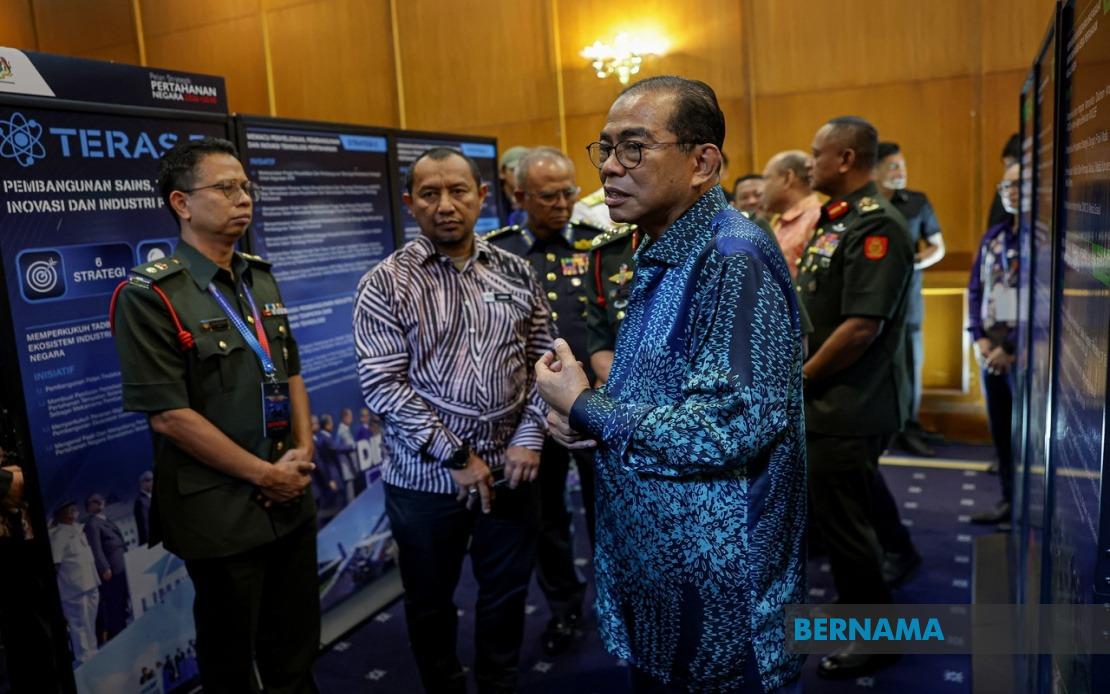
Malaysia's Defence Ministry has embarked on a formal diplomatic initiative to secure compensation following the termination of a contract to acquire the Naval Strike Missile (NSM) system from Norway-based Kongsberg Defence & Aerospace AS (KDA). Defence Minister Datuk Seri Mohamed Khaled Nordin outlined the government's coordinated approach during the launch of the National Defence Strategic Plan and Defence Capability Blueprint 2026-2030, signalling that resolving this contractual dispute remains a priority for the administration.
The compensation matter underscores the complexities inherent in large-scale defence procurement, particularly when contracts involving sophisticated military systems are cancelled mid-cycle. The NSM represents advanced anti-ship capability, and the termination has created financial liability for the Malaysian government. Rather than pursuing adversarial litigation, the authorities have chosen to leverage diplomatic mechanisms, recognising that maintaining cordial relations with Norway and European defence partners serves broader strategic interests in the region.
The Defence Ministry coordinated with the Foreign Ministry to formally notify the Norwegian government of Malaysia's position and intended strategy for resolution. This dual-ministry approach reflects the understanding that defence procurement disputes transcend purely commercial considerations and require careful management at the diplomatic level. By involving the Foreign Ministry from the outset, Malaysia has signalled that it views this matter through both a contractual and international relations lens.
Central to the government's strategy is requesting that Norway itself serve as a facilitator and mediator between Malaysia and KDA. This approach carries practical advantages: the Norwegian government maintains significant influence over the defence contractor and can encourage a collaborative settlement rather than protracted dispute resolution. Additionally, Norway's role as a neutral mediator may help establish frameworks acceptable to both parties, avoiding the costs and uncertainties of formal arbitration or litigation.
Datuk Seri Mohamed Khaled Nordin emphasised the government's commitment to achieving a fair resolution while protecting Malaysia's fiscal interests. The Defence Ministry's proactive stance—issuing formal notices early in the process—demonstrates an intent to establish clear timelines and expectations. This documentation-heavy approach provides legal protection for Malaysia should negotiations prove unsuccessful and formal dispute resolution become necessary.
The Public Accounts Committee (PAC) has already scrutinised the matter, receiving a special briefing from the Defence Ministry. The PAC's subsequent recommendation that the government strengthen both mitigation and diplomatic efforts reflects parliamentary oversight of the defence portfolio. Importantly, the PAC urged safeguarding Malaysia's fiscal sovereignty, indicating concern that any settlement should not set disadvantageous precedents for future defence transactions or compromise the nation's budgetary flexibility.
For Malaysian defence procurement strategy more broadly, this incident highlights the importance of contract terms that accommodate potential cancellations. Large defence acquisitions typically involve significant upfront payments, development costs, and industrial commitments. When contracts are terminated, disagreements over liability allocation inevitably arise. The government's diplomatic approach in this instance may influence how future defence agreements are structured, with negotiators potentially seeking more flexible termination clauses or clearer compensation frameworks.
The involvement of Kongsberg Defence & Aerospace, a major European defence player, reflects Malaysia's historical engagement with NATO-aligned suppliers. Norway, despite its distance from Southeast Asia, has established itself as a credible defence technology partner through systems like the NSM, which offers advanced capabilities that smaller regional militaries seek. The compensation dispute should not undermine long-term defence relationships, particularly as Malaysia navigates complex strategic considerations in an increasingly multipolar Indo-Pacific region.
From a regional perspective, the manner in which Malaysia resolves this dispute carries symbolic weight. Other Southeast Asian nations pursuing major defence acquisitions observe how Malaysia manages contractual difficulties and leverages diplomatic channels. A successful resolution through negotiation rather than litigation demonstrates that defence partnerships, even when they encounter problems, can be managed through professional engagement and good-faith dialogue.
The timing of the announcement—during the launch of Malaysia's latest defence strategic framework—positions the government as actively addressing legacy issues whilst charting forward direction. The 2026-2030 Defence Capability Blueprint represents the administration's modernisation vision, and resolving outstanding compensation claims removes impediments to executing new procurement plans and budgetary allocations.
The government's strategy also reflects pragmatism regarding Malaysia's position in international dispute resolution. While formal arbitration provides legal certainty, it typically generates adversarial dynamics that can strain bilateral relationships and complicate future business dealings. By pursuing diplomatic mediation with Norwegian government backing, Malaysia seeks a settlement that preserves commercial relationships while achieving financial fairness.
As negotiations proceed, the Foreign Ministry's mediation role becomes increasingly significant. Diplomatic channels allow discussion of creative settlement structures—including phased payments, offset arrangements, or technology transfer provisions—that formal legal processes might not accommodate. Such flexibility can produce mutually acceptable outcomes more efficiently than protracted disputes.
Ultimately, the Defence Ministry's approach reflects a mature understanding that defence procurement disputes require balancing legal rights against strategic relationships. By engaging Norway as mediator and maintaining formal diplomatic channels, Malaysia pursues compensation whilst preserving its standing as a reliable international partner and future defence customer. The outcome of these negotiations will likely influence how Malaysian defence officials structure and manage contracts in subsequent major acquisition programmes.

