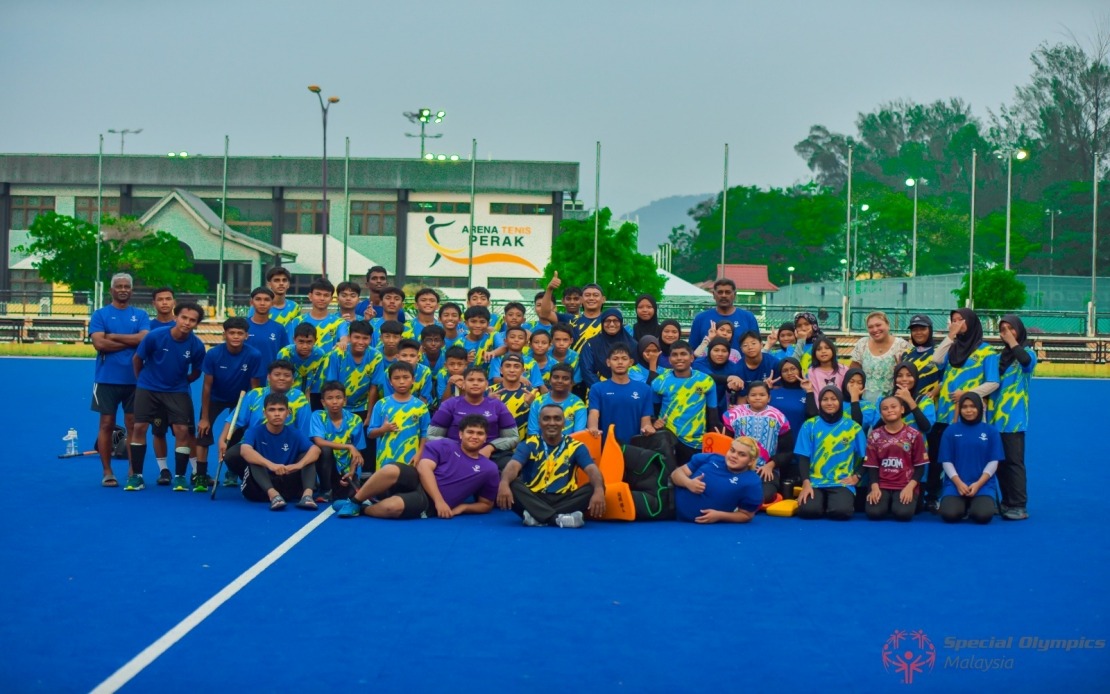
Malaysia is gearing up for a landmark moment in its sporting calendar as the nation prepares to participate in the inaugural FIH Para Hockey ID World Cup 2026, taking place in Belgium and the Netherlands from August 20 to 25. The historic event marks the first time this tournament has been held, offering Malaysian athletes competing in the intellectual disability category an unprecedented opportunity to test themselves against elite international opposition on the world's grandest stage for para hockey.
The Malaysian contingent comprises ten athletes, split equally between six male and four female competitors who have been meticulously selected through a competitive process that commenced in December 2025. According to Shanker Retinam, the team's assistant head of delegation, the selection criteria prioritised demonstrated performance in training environments, sustained commitment to developmental programmes, and disciplinary standards—ensuring that only the most dedicated and capable athletes would represent their nation. This deliberate approach underscores the seriousness with which Malaysia is approaching its debut on this international platform.
Preparation for the tournament has been intensive and systematic. The selected players have participated in monthly centralised training camps held in Ipoh, providing them with structured coaching, tactical development, and team cohesion building. These sessions have proven critical in preparing the squad for competition against some of the world's most established para hockey programmes. The decision to concentrate training in one location has facilitated consistency in coaching methodology and allowed support staff to closely monitor athlete progression and conditioning.
What elevates the significance of this tournament beyond the typical international competition is its positioning within the broader hockey calendar. The FIH Para Hockey ID World Cup will operate concurrently with both the Men's and Women's Hockey World Cups, all hosted across venues in Belgium and the Netherlands. This alignment provides Malaysian para hockey athletes with the unique advantage of competing at identical facilities and within the same competitive window as the sport's elite-level competitions, amplifying the prestige and profile of the para category within the global hockey community.
The field assembled for this inaugural edition reflects genuine world-class competition. Sixteen nations have qualified to participate, representing the pinnacle of international para hockey. Malaysia finds itself placed in Pool B alongside a formidable cohort consisting of the Netherlands, Argentina, England, Spain, India, Chile, and Bulgaria. This grouping ensures that the team will face varied playing styles and competitive approaches, with opponents ranging from long-established programmes in England and Spain to emerging hockey nations in South Asia and South America.
The tournament structure positions Malaysia's opening fixture against Bulgaria in the Netherlands, a strategic matchup that will set the tone for the team's subsequent performances within the pool stage. Success in early matches could generate momentum and build confidence before encounters against more established cricket-playing nations like England and Spain, who typically field more experienced para hockey programmes. The competition format will demand consistency and tactical flexibility across multiple matches.
Logistically, the Malaysian delegation will embark for Europe on August 17, providing a three-day window for acclimatisation, final training adjustments, and preparation at the tournament venues. This timeline reflects standard international sporting practice, allowing athletes to adjust to European conditions and participate in official training sessions before competitive fixtures commence. The staggered approach minimises jet lag impacts and provides medical and coaching staff opportunity to conduct final health assessments.
The departure carries symbolic significance marked by official ceremony. Sultan Nazrin Shah, the Sultan of Perak, will officiate at a flag-handover ceremony scheduled at the Royal Perak Golf Club, conferring royal patronage and state-level recognition upon the competing athletes. This ceremonial endorsement reflects the respect accorded to para-sporting achievement within Malaysian society and provides athletes with tangible acknowledgement of their representational status.
From a Malaysian sports development perspective, participation in this inaugural world cup carries profound implications. The exposure gained by athletes competing against world-leading para hockey programmes will accelerate technical and tactical development. Victories secured against established international opponents would elevate para hockey's domestic profile, potentially attracting increased investment, sponsorship, and grassroots participation. Even competitive performances against superior opponents generate invaluable experience that domestic coaching structures can leverage for long-term programme building.
The tournament also positions Southeast Asia within the emerging global para hockey landscape. India's participation signals South Asia's growing investment in the sport, while Malaysia's presence extends competitive representation across the broader Indo-Pacific region. Over time, such international participation establishes the foundation for regional competition structures and knowledge exchange between developing programmes, ultimately strengthening the sport's infrastructure across Asia.
For Malaysian athletes competing in intellectual disability categories, this world cup represents validation that their sport enjoys genuine international legitimacy and competitive pathways equivalent to other para-sporting disciplines. The removal of significant barriers to international competition historically faced by athletes in this category underscores evolving global commitment to inclusive, diverse sporting opportunities. Malaysia's participation contributes directly to normalising intellectual disability representation within international sporting calendars.

