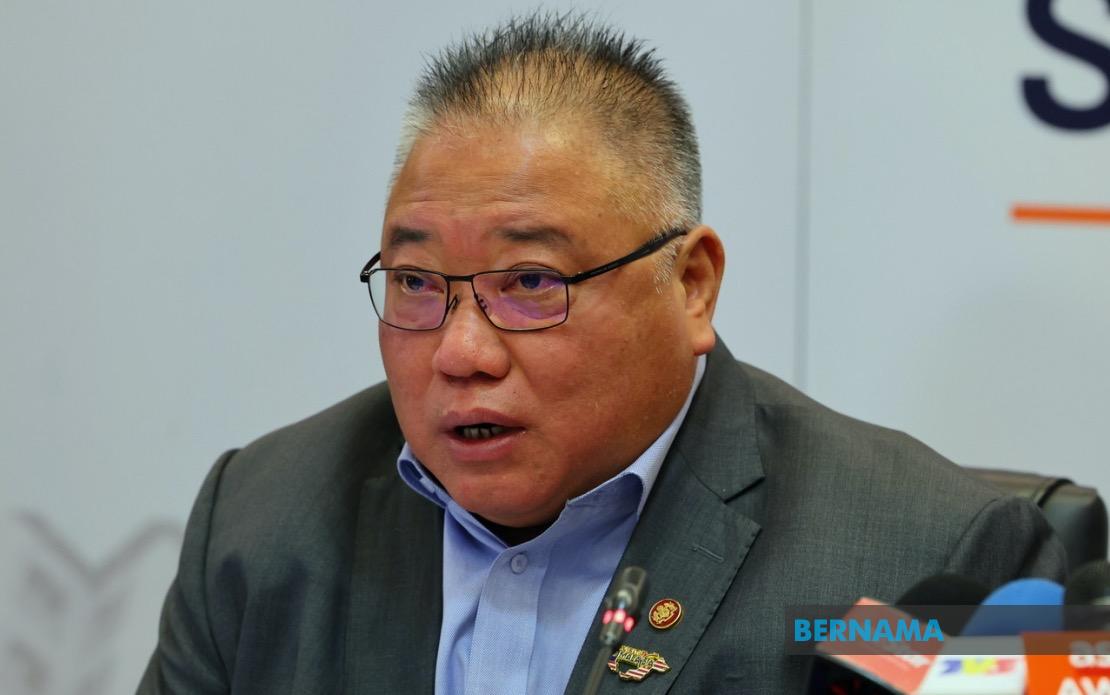
Tourism, Arts and Culture Minister Datuk Seri Tiong King Sing has sounded an urgent alarm about vulnerabilities in Malaysia's aviation security framework, demanding that authorities and airlines conduct a thorough review of screening and crew management procedures in the wake of a Malaysia Airlines co-pilot's detention in Indonesia on suspected drug trafficking charges. The incident, which saw the 39-year-old captain arrested at Jakarta's Soekarno-Hatta International Airport after arriving on Malaysia Airlines flight MH727 from Kuala Lumpur on July 29, has exposed gaps that could undermine public confidence in the nation's airline safety standards just as Malaysia seeks to rebuild its tourism sector and international reputation.
Timong characterised the situation as a watershed moment for Malaysia's aviation industry, emphasising that the case transcends routine operational concerns. The arrest followed discovery of what authorities alleged was a substantial drug cache including more than 70,000 ecstasy pills weighing 25 kilogrammes. Rather than viewing this as an isolated incident, the minister has framed it as symptomatic of systemic weaknesses that demand immediate, coordinated action across multiple agencies to restore traveller confidence and safeguard Malaysia's standing as a secure aviation destination.
The minister was notably critical of Malaysia Aviation Group's initial response to the controversy, characterising the airline's statement as insufficiently addressing underlying public anxieties. MAG had attempted to contextualise the arrest by noting that the detained co-pilot was not operating the aircraft on the day in question, a detail that Tiong argued missed the fundamental issue entirely. The public's legitimate concerns, he contended, centre not on flight roster logistics but rather on how a crew member with a positive drug screening test managed to operate within Malaysia's aviation system, and what institutional failures allowed such an oversight to occur in the first place.
Tiong accused the airline of exhibiting what he termed a "denial syndrome", suggesting that Malaysia Aviation Group appeared more preoccupied with damage control and defending operational continuity than with genuinely confronting the public's underlying fears about aviation safety. This assessment carries particular weight given Malaysia's history with aviation crises; the nation remains acutely sensitive to reputational threats in the sector, with memories of Malaysia Airlines Flight MH370 and MH17 still shaping international perceptions of Malaysian aviation. The minister's intervention signals that government will not tolerate a corporate response perceived as evasive or dismissive of legitimate safety questions.
To address identified deficiencies, Tiong has proposed concrete operational changes centred on enhanced pre-duty screening protocols. He recommended that pilots and cabin crew be required to report for duty substantially earlier than current practice—between 90 minutes and two hours before scheduled operations—to undergo comprehensive drug screening and health checks. Only personnel who successfully clear such screening would be authorised to commence their duties. This approach represents a significant departure from conventional aviation scheduling and reflects the severity with which the minister views the security gap.
The minister has also advocated for a coordinated multi-agency approach bringing together airlines, aviation regulatory authorities, and the police narcotics division to jointly design and implement enhanced screening standards. Such cooperation would help ensure consistent application of protocols across all operators and prevent the possibility of varying standards creating weak points within the system. This emphasis on inter-agency coordination reflects recognition that aviation security cannot be effectively managed through isolated corporate policies but requires cohesive government oversight and enforcement.
Beyond crew screening, Tiong has called for a comprehensive audit of airport security infrastructure itself. This encompasses examination of physical equipment, procedural protocols, and the coordination mechanisms between different agencies operating within airport terminals. Malaysian airports function as complex environments with numerous government and private entities operating simultaneously; ineffective communication or gaps in responsibility allocation could create opportunities for contraband to transit the system undetected. The minister's emphasis on this component suggests concern that vulnerabilities may extend beyond flight crew behaviour to encompass broader terminal operations.
Malaysia Aviation Group responded to the incident by announcing mandatory drug screening for all 1,260 Malaysia Airlines pilots, with enhanced checks to be implemented across its active pilot roster. The announcement, made on August 7, represented a significant commitment of resources and operational adjustment. However, Tiong's intervention indicates that government considers such corporate measures insufficient without corresponding regulatory oversight and systematic enforcement. The minister's public positioning suggests that aviation authorities must move beyond accepting voluntary industry compliance and implement binding regulatory standards.
The incident occurs at a particularly sensitive moment for Malaysia's aviation sector and tourism industry. As the nation seeks to rebuild international visitor numbers and restore confidence in Malaysian carriers, high-profile safety concerns create headwinds against recovery. International tourists base destination decisions substantially on perceived safety standards, and aviation security features prominently in such assessments. Any perception that Malaysia's screening systems are inadequate could influence travel decisions and impact airline bookings, with cascading effects throughout Malaysia's tourism economy.
Timong's intervention represents government's determination to prevent such incidents from damaging Malaysia's international profile further. By publicly demanding systematic reform rather than accepting corporate assurances, the minister has elevated the issue beyond internal airline administration to the level of national security and economic interest. His emphasis on restoring public confidence suggests recognition that trust in aviation safety, once eroded, rebuilds slowly and that decisive governmental action serves both aviation security and broader national interests in maintaining Malaysia's reputation as a secure, well-managed tourism destination in a competitive Southeast Asian market.
The minister's call for review also reflects broader questions about how Malaysia can strengthen institutional safeguards without imposing operationally impractical burdens on airlines. Implementing 90-minute to two-hour advance duty reporting requirements would create scheduling complexities and increase operational costs. Authorities will need to balance enhanced security with the practical realities of aviation operations, international competitiveness, and cost pressures facing Malaysian carriers. How this balance is struck will shape both Malaysia's safety standards going forward and the viability of enhanced screening as a sustainable long-term policy.

