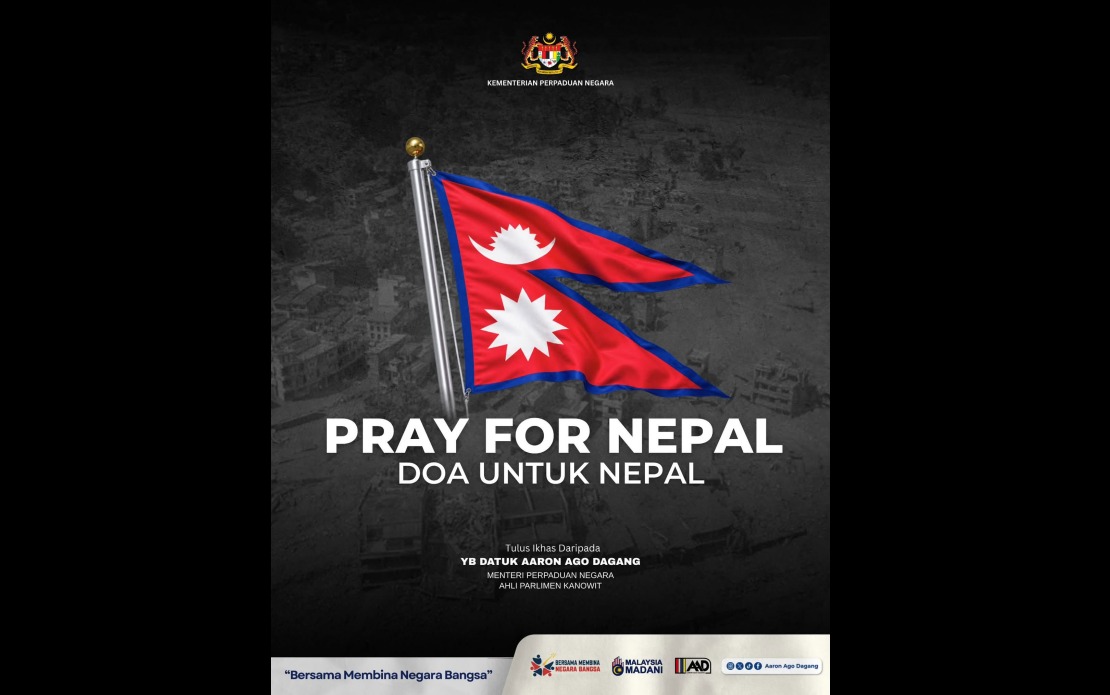
The catastrophic flooding that struck Nepal's Rasuwa district has prompted an urgent coordinated response from Malaysia's federal government, with Minister of National Unity Datuk Aaron Ago Dagang leading expressions of national solidarity while authorities work to trace dozens of missing citizens caught in the natural disaster.
Datuk Aaron Ago Dagang took to social media on Wednesday to convey Malaysia's empathy toward the Nepali nation during what he characterised as an extraordinarily difficult period. His statement reflected the gravity with which Kuala Lumpur views the humanitarian crisis unfolding in South Asia, with particular concern for the welfare of Malaysian nationals stranded in the affected region. The minister called upon fellow Malaysians to participate in collective prayer and support, framing the response as a matter of national compassion and international responsibility.
The flooding has created acute anxiety within Malaysia's expatriate community in Nepal and among their families back home. As of late Tuesday evening, the Foreign Ministry confirmed that 57 Malaysians remained unable to be reached following the disaster. This figure, compiled from urgent reports submitted by concerned relatives, employers, and associates, represents a significant portion of the Malaysian population known to reside in or travel through Nepal. The inability to establish contact with these individuals has triggered widespread worry across the country.
Recognising the severity of the situation, Prime Minister Datuk Seri Anwar Ibrahim issued immediate directives on Tuesday compelling all relevant government agencies to prioritise the identification and contact of affected Malaysians. The National Security Council and the Ministry of Foreign Affairs were specifically mandated to mobilise their resources and networks to locate nationals and assess their circumstances. This top-down coordination mechanism reflects the standard protocol Malaysia employs during international emergencies affecting its citizens abroad, ensuring that diplomatic channels and emergency response systems operate in concert.
The timing of the floods adds urgency to Malaysia's diplomatic efforts. Nepal, situated in the challenging Himalayan geography, experiences seasonal monsoon patterns that regularly trigger landslides and flooding, yet the scale and intensity of this particular disaster appear to have overwhelmed local response capacities. The Rasuwa district, located north of Kathmandu and home to numerous trekking routes and tourist destinations, has proven particularly vulnerable. Malaysian tourists and workers scattered across Nepal's tourism and hospitality sectors face heightened risk during such events.
Datuk Aaron's statement strategically balanced Malaysia's immediate concern for its own nationals with broader humanitarian concerns for Nepali communities bearing the brunt of the disaster. His explicit prayer for the success of recovery and assistance operations underscores Malaysia's willingness to contribute to international relief efforts, should the Nepali government request formal aid. This diplomatic posture maintains Malaysia's reputation as a responsible regional actor while signalling readiness to engage in meaningful support beyond mere expressions of sympathy.
The flood incident highlights the vulnerabilities faced by Malaysian expatriates in countries prone to natural disasters. Nepal, while offering rich cultural and economic opportunities, remains geographically exposed to geological hazards that can materialise suddenly and devastate communities with limited warning. The Malaysian government's rapid mobilisation of communication networks reflects lessons learned from previous international disasters affecting Malaysian citizens, including the devastating 2004 Indian Ocean tsunami that claimed thousands of Malaysian lives.
For families awaiting news from loved ones in Nepal, the next hours and days will remain agonising. The Foreign Ministry's decision to aggregate data from multiple sources—families, friends, and employers—demonstrates recognition that formal registration systems may not capture all nationals present in disaster zones. Many Malaysians in Nepal operate informally or travel through the country on temporary arrangements, making a comprehensive census difficult to conduct even under normal circumstances.
The coordination between Malaysia's security apparatus, foreign affairs ministry, and civilian authorities signals that Kuala Lumpur treats this situation with the highest priority typically reserved for national emergencies. This integrated response model aims to accelerate the process of locating nationals, assessing their immediate needs, and coordinating evacuation or assistance where necessary. Regional networks connecting Malaysian diplomatic missions across South Asia have presumably been activated to support these efforts.
Looking forward, Malaysia will likely face decisions regarding whether to deploy official rescue teams, provide financial assistance to Nepal's recovery efforts, or facilitate medical treatment for injured Malaysian nationals. These determinations will depend on requests from Nepali authorities and the emerging scale of destruction. The relationship between Malaysia and Nepal, though not as high-profile as some of Kuala Lumpur's other regional partnerships, carries genuine humanitarian and people-to-people dimensions that crises like this test and reinforce.
Datuk Aaron's invocation of prayer and collective national solidarity reflects a characteristically Malaysian approach to international crises, emphasising compassion and shared humanity across borders. Yet beneath the diplomatic language lies urgent practical work by government officials trying to restore contact with 57 missing nationals and their anxious families, illustrating how natural disasters instantly translate abstract geopolitical relationships into intensely personal searches for safety and reunion.

