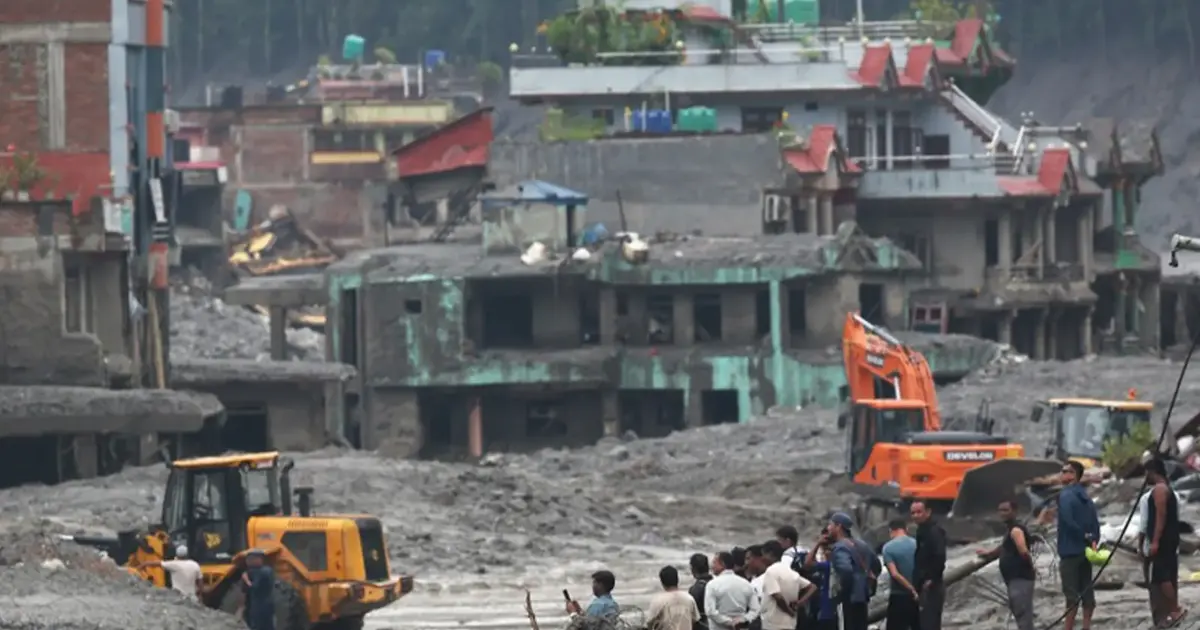
Malaysia is mobilising its Search and Rescue Management and Technology (SMART) team to provide humanitarian assistance to Nepal, as Prime Minister Anwar Ibrahim confirmed preparations for the immediate deployment of the specialist unit. The decision underscores Malaysia's commitment to regional disaster relief and reflects longstanding diplomatic ties between the two countries.
Coordination efforts between Malaysian officials and their Nepali counterparts have intensified to facilitate the smooth and rapid arrival of the rescue team. The urgency of these preparations highlights the critical phase of emergency response operations in the aftermath of the seismic event that has devastated parts of Nepal. By working directly with Nepali authorities, Malaysian diplomats aim to ensure the team can begin operations without administrative delays that often hinder international relief efforts.
The SMART team represents one of Malaysia's most advanced disaster response capabilities, combining specialised search and rescue expertise with cutting-edge technology. This unit has previously deployed to multiple international crises, building a reputation for professionalism and effectiveness in complex emergency environments. The expertise brought by Malaysian personnel complements existing international response mechanisms already engaged in Nepal's relief efforts.
Such deployments carry significant diplomatic weight beyond their immediate humanitarian value. They demonstrate Malaysia's role as a constructive regional actor willing to contribute resources and expertise during crises. For Nepal, the arrival of additional specialist teams provides crucial support as local rescue services work to locate survivors and assess damage across affected regions. The logistical complexity of deploying rescue teams internationally requires meticulous planning, particularly when operating in mountainous terrain where Nepal's geography presents inherent challenges.
The timing of Malaysia's mobilisation reflects standard protocols for international disaster response. Once initial assessments indicate where external assistance would prove most effective, countries typically coordinate through diplomatic channels to avoid duplication and ensure resources are deployed where they matter most. Prime Minister Anwar Ibrahim's direct involvement signals the high-level priority assigned to this relief effort within the Malaysian government.
For Malaysia's broader foreign policy objectives, such interventions reinforce the nation's humanitarian credentials and strengthen people-to-people connections with neighbouring countries. Nepal and Malaysia, while geographically distant, share commonalities in development challenges and disaster vulnerability. Malaysia's experience managing seismic activity and related disasters positions it as a knowledgeable contributor to Nepal's recovery process.
The deployment also reflects evolving regional mechanisms for disaster response. Southeast Asia and South Asia have increasingly formalised cooperation frameworks around emergency management, recognising that natural disasters transcend borders and that shared expertise accelerates recovery. By sending specialised teams, Malaysia participates in this broader culture of mutual support that has gradually become institutionalised across the region.
Logistically, transporting a rescue team to Nepal involves coordination across multiple agencies and governments. Malaysian officials must arrange transportation, secure necessary clearances, and ensure the team has appropriate equipment and supplies for the duration of their operations. Nepali authorities must reciprocate by facilitating rapid entry and providing operational support. These behind-the-scenes arrangements, while unglamorous, determine whether international assistance reaches the ground quickly enough to save lives.
The SMART team's expertise in search and rescue operations proves particularly valuable in post-earthquake scenarios. Finding survivors buried in collapsed structures requires not only physical capability but also sophisticated sensing equipment and structural engineering knowledge. Malaysian rescuers bring this combination of capabilities, trained for exactly these circumstances. Their presence in Nepal's affected zones could significantly enhance the efficiency of ongoing rescue operations.
For Malaysian observers, the decision reflects Prime Minister Anwar Ibrahim's emphasis on humanitarian internationalism and Malaysia's responsibility to the broader Indo-Pacific region. It positions Malaysia as a country that takes regional stability and humanitarian obligations seriously, attitudes that resonate with the prime minister's diplomatic priorities. Such gestures accumulate into soft power advantages that influence how Malaysia is perceived internationally.
Regionally, Malaysia's response contributes to a narrative of Asian solidarity during crises. Rather than leaving disaster response exclusively to Western nations and international organisations, countries like Malaysia demonstrate that Asia possesses the capacity and resources to manage emergencies independently. This capacity-building reinforces self-reliance and reduces dependency on external actors, while simultaneously showcasing the expertise developed within national institutions like the SMART team.
The coordination mechanisms activated for this deployment also serve as practical training for Malaysian disaster response systems. Each international operation provides experience that improves future readiness, whether for earthquakes in Malaysia itself or assistance to other nations. By regularly deploying SMART teams internationally, Malaysia simultaneously strengthens its own resilience and deepens relationships with partner countries.
As the SMART team prepares for deployment, Nepal can expect to receive experienced, well-equipped rescue professionals ready to work within its disaster response structure. The arrival of the Malaysian contingent represents not merely a technical contribution but also an affirmation of international solidarity at a moment when Nepal requires sustained, coordinated assistance from multiple sources.

