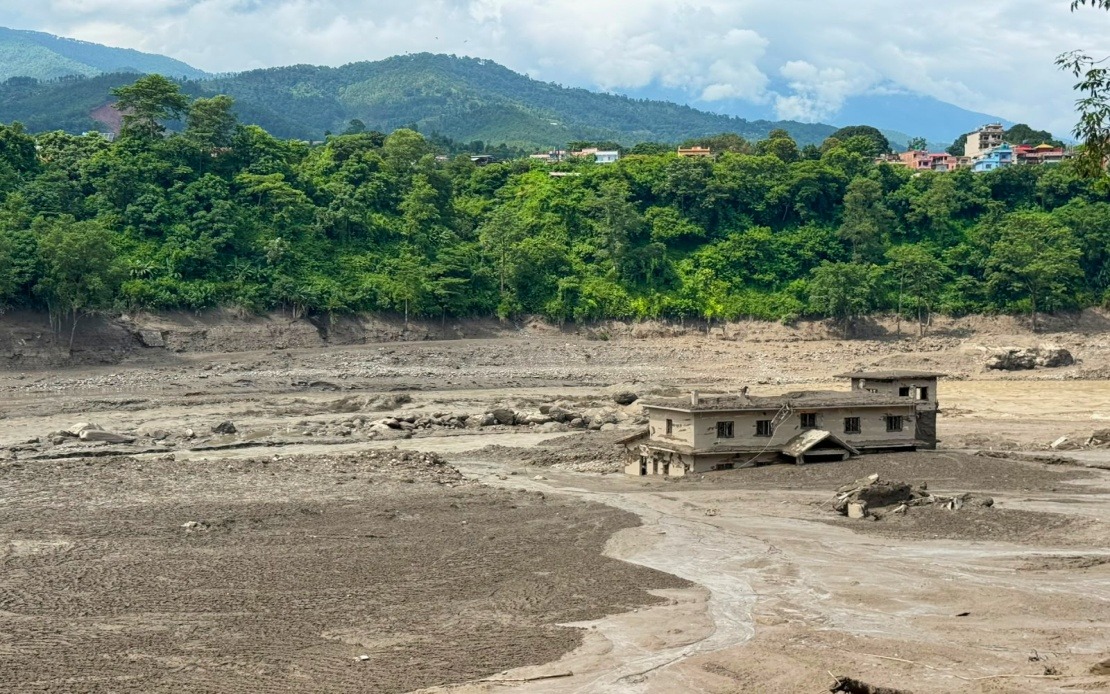
Prime Minister Datuk Seri Anwar Ibrahim has voiced his concern and sadness regarding the catastrophic flash floods that devastated Rasuwa district in Nepal, while confirming that Malaysia's government is actively engaged in locating 54 citizens who have lost contact with authorities. The Prime Minister's statement underscores the scale of the humanitarian challenge facing Malaysian authorities and the urgent nature of ongoing search and rescue coordination efforts across the affected region.
The Malaysian Embassy in Kathmandu is collaborating with Nepalese officials and relevant governmental bodies to trace the missing nationals and establish their whereabouts and welfare status. Recognising the complexity of conducting operations in a region where infrastructure has been severely compromised, Malaysia has also deployed personnel from its High Commission in Dhaka, Bangladesh, to augment coordination capacity on the ground. This multi-layered diplomatic approach reflects the government's determination to maximise resources available for rescue operations despite the challenging terrain and disrupted communications.
According to accounts from the disaster site, the catastrophic flooding in the Nepal-Tibet border region originated from intense rainfall combined with glacier instability that triggered landslides along the Bhote Koshi River. The convergence of these natural phenomena created an exceptionally hazardous situation that quickly overwhelmed local infrastructure. The impact has been particularly severe in cutting off the primary transport corridor connecting the disaster zone to Kathmandu, the capital, thereby complicating both relief delivery and victim evacuation efforts.
The isolation of the affected area has created a communication blackout that extends beyond simple telecommunications disruptions. With essential road connections severed and external access severely restricted, rescue teams face substantial logistical hurdles in reaching stranded individuals and coordinating with Malaysian officials attempting to verify the status of nationals trapped in the region. This communication breakdown has compounded the difficulty of accounting for all Malaysian citizens present in the area when the disaster struck.
Anwar emphasised in his public statement that the MADANI Government regards the safety and wellbeing of affected Malaysians as its paramount concern. Through the Foreign Ministry, the administration has committed to maintaining close surveillance of the evolving situation and deploying comprehensive resources necessary to ensure citizen protection. The Prime Minister's invocation of prayer reflects both the gravity of the situation and the dependence on international cooperation, particularly from Nepalese authorities whose territorial expertise and on-ground capabilities remain essential to the search operation.
The diplomatic response underscores Malaysia's established protocols for managing citizens abroad during natural disasters. By activating multiple embassy and high commission resources simultaneously, the government has attempted to establish redundancy in its communication and coordination channels, recognising that normal diplomatic channels may be disrupted by infrastructure damage. The decision to involve the Bangladesh High Commission demonstrates creative deployment of regional diplomatic networks to circumvent direct access limitations.
For Malaysian citizens and their families awaiting news from Nepal, the government's visible mobilisation represents both reassurance and acknowledgment of the gravity of their circumstances. The 54 individuals currently uncontactable represent a significant cohort, raising questions about whether they were concentrated in particular locations within the disaster zone, such as trekking groups, tour operators, or mountaineering expeditions commonly undertaken by Malaysian nationals in the Himalayan region. The nature of their presence in Rasuwa district may determine both the accessibility of rescue efforts and the likelihood of their survival and recovery.
The Nepal floods incident arrives during an already challenging period for cross-border disaster management in South Asia, where climate change has intensified glacial instability and extreme weather patterns. Malaysian officials monitoring the situation recognise that such events are likely to recur with greater frequency, necessitating strengthened regional cooperation frameworks and advanced warning systems. The current operation will inevitably inform future protocols for Malaysian disaster response in mountain terrain across Nepal and adjacent countries.
Nepal itself faces an overwhelming humanitarian challenge, with domestic resources stretched across a broad affected population. The Rasuwa district, positioned along major trekking and climbing routes, typically hosts substantial international visitor populations, meaning rescue operations must coordinate across multiple nationalities and respond to diverse needs. Malaysian authorities have positioned themselves within this complex multinational response architecture, attempting to prioritise their nationals while contributing to the broader regional relief effort.
The unfolding situation carries implications for Malaysia's tourism industry and adventure travel sector, where Nepal represents a popular destination for trekking, mountaineering, and cultural tourism. Families of the missing nationals represent a cross-section of Malaysian society motivated by various reasons to undertake the journey to Nepal's mountains. As the search operation progresses and more information emerges about the 54 uncontactable individuals, the incident will likely spark broader discussions about travel safety protocols, insurance coverage, and pre-travel risk briefings for Malaysian citizens venturing to geologically active regions.
Government sources indicate that the Foreign Ministry is maintaining constant communication with its counterparts in Kathmandu whilst simultaneously preparing contingency plans for expanded evacuation or medical support should missing nationals be located. The involvement of multiple government agencies reflects the cross-cutting nature of the crisis, requiring coordination between foreign affairs, rescue services, healthcare providers, and administrative bodies responsible for citizen welfare abroad. The coming days will determine whether this multilayered response architecture succeeds in locating the missing Malaysians and facilitating their safe return home.

