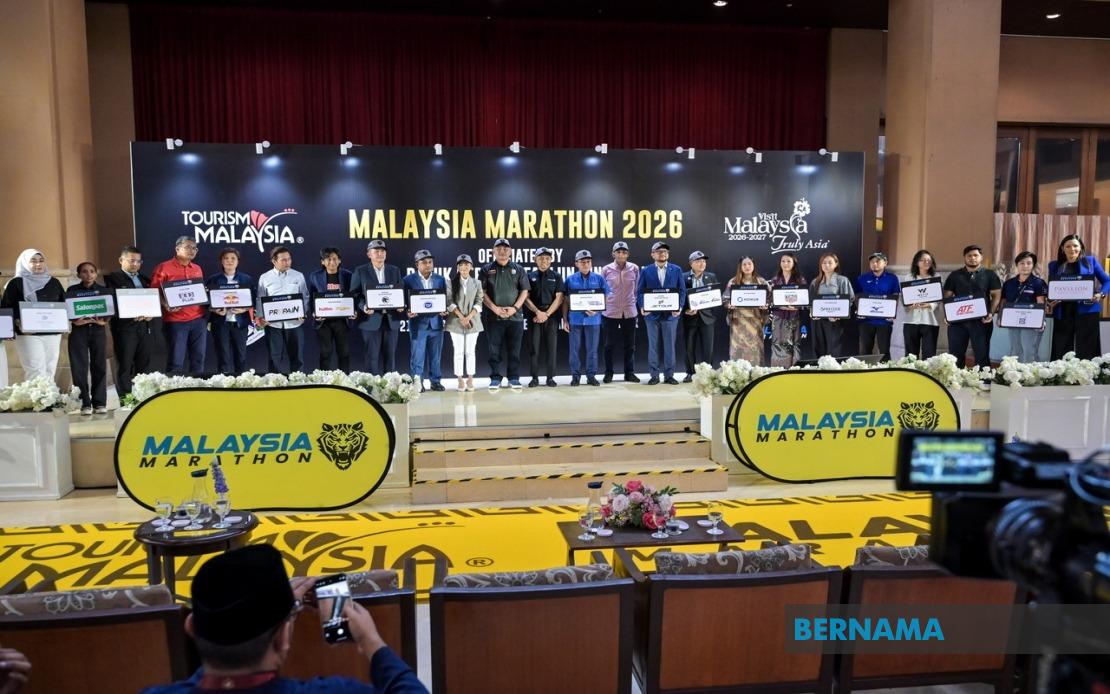
The inaugural Malaysia Marathon 2026, set for August 30, will dangle a substantial financial carrot before local elite runners: RM50,000 for anyone who shatters existing national records in either the half-marathon or full marathon distance. Organising committee president Eddy Casmady unveiled the incentive scheme during the official launch ceremony in Kuala Lumpur, positioning the reward as a deliberate attempt to elevate the competitive calibre of Malaysia's distance-running fraternity and capture international attention.
The prize structure reflects a calculated strategy to stimulate domestic athletic excellence at a moment when Southeast Asian running continues gaining momentum across the region. By restricting the bonus to Malaysian nationals, event planners are explicitly encouraging home-grown talent to pursue performances that could redefine the country's marathon benchmarks. Casmady framed the initiative as part of a broader motivational approach for the event's debut iteration, signalling organisers' commitment to establishing Malaysia Marathon as a serious platform for competitive achievement rather than merely a mass participation spectacle.
The route itself has already garnered significant validation through World Athletics' formal recognition following an official measurement process and certification. This designation carries weight beyond ceremonial value—it ensures that any records established during the race will carry international legitimacy and potential world ranking implications. For Malaysian runners, this means performances registered here could contribute meaningfully to global athletics standings, adding another layer of prestige to record-breaking attempts.
Participants will confront a genuinely demanding course layout that traverses two major expressways and incorporates a 900-metre climbing section that traverses significant elevation changes. This topographical feature transforms the Malaysia Marathon from a typically flat urban circuit into an athletic test requiring both aerobic capacity and hill-running acumen. Organisers openly acknowledge that this demanding terrain will challenge both domestic and international competitors, essentially creating a playing field where technical running ability becomes as crucial as raw endurance.
The scale of the inaugural event underscores organisers' ambitions for regional prominence. Twenty-five thousand participants will take to the streets, distributed across four distinct categories: two thousand attempting the full 42-kilometre marathon distance, eight thousand competing in the half-marathon, five thousand engaging in the 10-kilometre category, and ten thousand joining the recreational five-kilometre run. This stratification accommodates everyone from elite international competitors to casual fitness enthusiasts, broadening the event's appeal and generating the participation numbers necessary for a sustainable, well-regarded annual fixture.
International participation figures reveal growing interest in Malaysian sporting events among overseas athletes. More than twenty-three hundred international runners have committed to competing, including elite contingents from Japan and Nigeria. This cross-border participation reflects how Southeast Asian countries are increasingly attracting quality international fields for sporting events, establishing themselves as credible destinations on the global athletics calendar. The presence of elite performers from established running nations lends competitive credibility and creates benchmarking opportunities for local participants.
Adding a contemporary twist to proceedings, the Malaysia Marathon will feature the HONOR humanoid robot participating in the 10-kilometre segment—a novelty element that captures evolving attitudes toward technology integration in sports and generates additional media interest and public engagement. While primarily a promotional gimmick, the robot's participation symbolises Malaysia's desire to position itself as a forward-thinking, technology-conscious nation willing to experiment with unconventional event elements.
The race course itself traces a symbolically significant path through Kuala Lumpur's commercial and architectural heart, commencing at the Pavilion shopping complex and culminating near the Petronas Twin Towers and KLCC area. This routing ensures prominent visibility throughout Malaysia's economic and cultural epicentre, maximising television coverage and public engagement while creating memorable imagery for international audiences.
For Malaysian distance runners, this inaugural edition represents a tangible opportunity to establish themselves nationally and internationally. The combination of World Athletics-certified routes, substantial financial incentives for record-breaking, and genuine international competition creates conditions rarely available domestically. Young Malaysian marathoners looking to accelerate their athletic development and gain exposure within the global running community will find the 2026 event particularly compelling.
The timing and scale of Malaysia Marathon 2026 reflect broader Southeast Asian trends toward establishing premier sporting events that generate economic activity, international tourism, and national pride while developing indigenous athletic talent. With regional running participation increasing significantly across Indonesia, Thailand, and the Philippines, Malaysia's initiative positions the country competitively within the expanding Asian marathon circuit. Success with this inaugural event could establish an annual flagship that contributes substantially to the nation's sporting calendar and international sporting reputation for decades to come.

