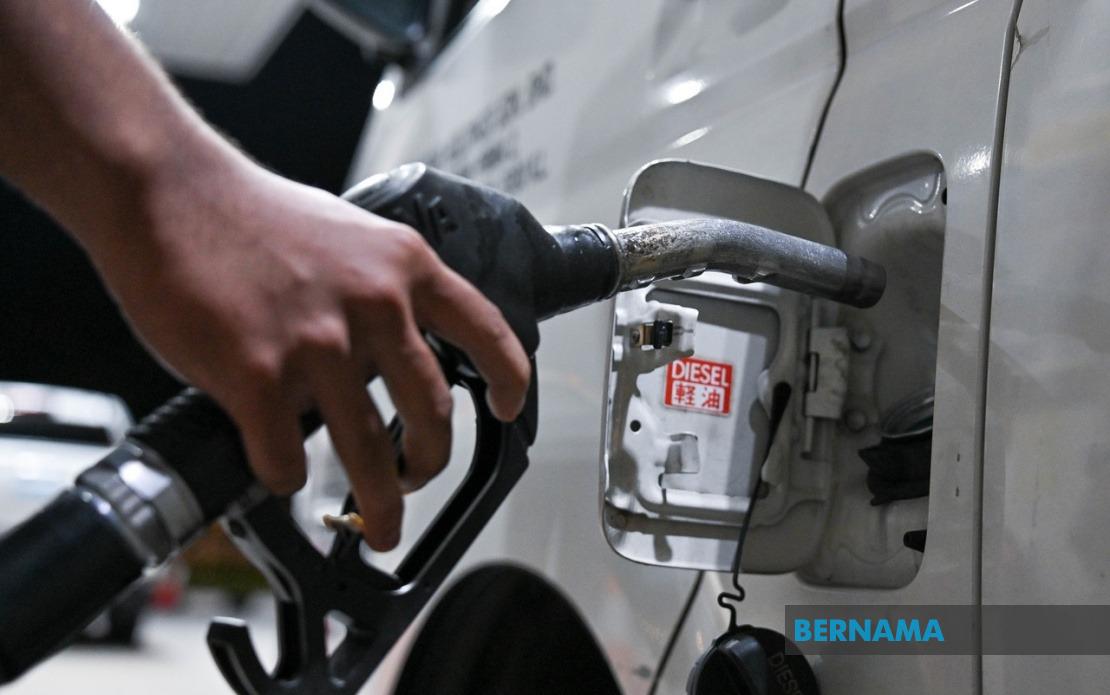
The Ministry of Domestic Trade and Cost of Living (KPDN) has revoked restrictions on diesel sales to commercial vehicles in Sabah, Sarawak, and the Federal Territory of Labuan, dismantling long-standing purchase ceilings that previously capped transactions at 50, 100, and 150 litres. The directive takes effect from tomorrow, marking a significant shift in fuel distribution policy across Malaysia's eastern states. This move eliminates operational constraints that had governed diesel supply chains for these regions since March 2026.
The decision flows directly from Prime Minister Datuk Seri Anwar Ibrahim's announcement on June 21, in which the government committed to standardising subsidised diesel pricing under the BUDI Diesel Programme across the nation at RM2.10 per litre. By harmonising prices and removing regional quota systems, Putrajaya aims to create a more equitable fuel market while simplifying logistics for both retailers and transport operators who have long navigated fragmented regulatory frameworks. The prior three-tier limit structure had reflected concerns about subsidy leakage, but officials now believe alternative safeguards render these restrictions unnecessary.
KPDN Director-General of Enforcement Datuk Azman Adam framed the cancellation as complementary to a new point-of-sale authentication system launching simultaneously. From tomorrow, eligible consumers purchasing subsidised diesel at petrol stations must present their MyKad identification cards, introducing biometric accountability into transactions. This technological enforcement mechanism replaces the blunt-instrument approach of blanket volume caps, permitting retailers greater operational flexibility while theoretically tightening control over who benefits from government fuel subsidies.
The shift reflects a broader philosophical change in how Malaysia manages fuel support. Rather than rationing supply through arbitrary purchase limits, the government is betting that digital verification of citizenship and residency status will prove more effective at preventing non-eligible buyers from accessing subsidised stock. For transport operators in Sabah, Sarawak, and Labuan—regions where logistics costs have been historically higher due to geography and infrastructure constraints—the removal of purchase ceilings promises relief from administrative friction that previously complicated fleet refuelling.
Retailers holding scheduled controlled goods licences in the three jurisdictions have been formally notified that the March 27, 2026 directive is now void. This notification carries legal weight, establishing that compliance officers will no longer cite volume restrictions when monitoring petrol station compliance. For independent filling stations operating in remote areas, the change may simplify inventory management by eliminating the need to track and enforce tiered quotas that varied by vehicle classification.
The government's confidence in the MyKad verification system reflects investments in retail point-of-sale infrastructure across peninsular Malaysia and the eastern states over the past two years. Integration of identity authentication into fuel pumps has faced technical challenges in some locations, but KPDN appears satisfied that sufficient rollout has occurred to support the transition. Officials emphasize that the new mechanism will ensure more targeted distribution of subsidies while maintaining transaction speed for authorised buyers.
For Southeast Asian observers, Malaysia's approach illustrates how regional governments are modernising subsidy administration using digital identity systems. Unlike price controls alone, which create queues and black markets, the MyKad requirement creates an audit trail linking fuel purchases to individuals, potentially addressing longstanding concerns about subsidy transfers to neighbouring countries. Sabah and Sarawak share porous borders with Indonesia and Brunei, historically making them vulnerable to cross-border fuel arbitrage.
The timing of this policy shift coincides with broader government efforts to rationalise fuel support spending. With crude oil prices volatile and fiscal pressures mounting, targeting subsidies toward citizens while removing volume restrictions represents a middle path between complete deregulation and the tighter controls that characterised earlier phases of the BUDI programme. By standardising prices nationwide at RM2.10 per litre, authorities also reduce incentives for fuel hoarding or cross-state smuggling that previously occurred when regional price differentials were larger.
Implementation success now hinges on retailers' capacity to operate MyKad readers reliably in areas where power supply and connectivity remain inconsistent. KPDN has urged all parties to comply fully, signalling that non-compliance will trigger enforcement action. Petrol station operators have had limited time to train staff and test systems, raising questions about whether the launch will proceed smoothly across remote filling stations in Sabah's interior or Sarawak's longhouse communities.
The broader implication for Malaysian consumers and businesses is that fuel subsidies are becoming increasingly individualised rather than universalised. Where fuel support was once available to anyone with ringgit in hand, it now requires citizenship verification at point of sale. This shift tracks global trends toward means-tested or identity-verified assistance programmes, though critics argue it may disadvantage foreigners working in Malaysia and creates additional friction for legitimate commerce.
For transport operators, the immediate benefit is operational: unlimited diesel purchases at subsidised rates remove the need to visit multiple stations or stagger purchases across days to circumvent volume caps. Logistics firms servicing routes through Sabah and Sarawak can potentially reduce administrative overhead and fuel stops, translating to modest cost savings and efficiency gains. However, the success of this policy hinges entirely on whether MyKad authentication systems function reliably and whether subsidised fuel remains consistently available at announced prices.
Authorities have signalled that compliance monitoring will intensify once the new system launches, with enforcement teams conducting audits to verify that retailers are correctly implementing MyKad requirements and not circumventing subsidies through fictitious transactions. KPDN's confidence in the mechanism suggests the ministry believes the technological safeguards are sufficiently robust to justify removing the cruder purchase limit approach. The coming weeks will reveal whether this confidence is justified or whether the policy requires further adjustment.

