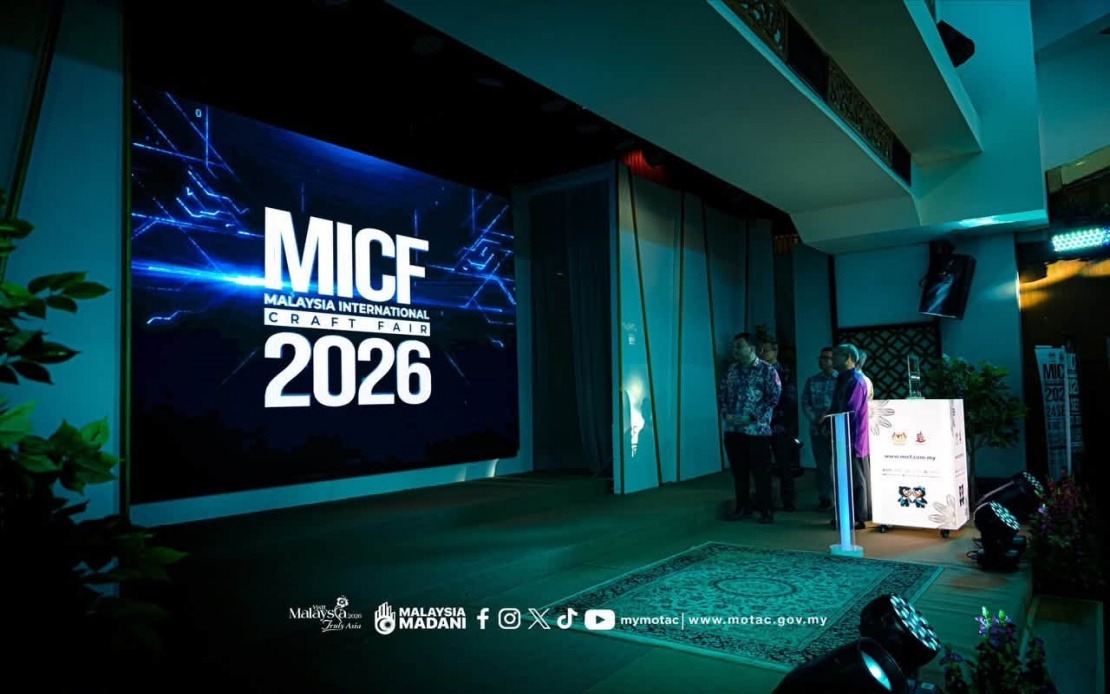
Malaysia is preparing to host a major cultural and commercial gathering next year with the Malaysia International Craft Fair 2026, an ambitious 12-day event designed to position the country as a regional hub for traditional and contemporary craft practices. The fair, running from September 24 to October 5 at the Kuala Lumpur Craft Complex, aims to attract 400 participants in total, with 300 drawn from Malaysia's domestic craft sector and 100 representing artisans and craft businesses from over 20 countries across the globe.
Organized by Kraftangan Malaysia, the event represents a strategic investment in the nation's cultural diplomacy and economic development through the creative sectors. The initiative extends beyond mere exhibition, functioning as a deliberate platform to forge networking channels, enable strategic business partnerships, and unlock fresh market opportunities for both established and emerging craft artisans. This approach recognises that craft enterprises increasingly require cross-border connections and collaborative opportunities to sustain growth and international competitiveness.
The international dimension of the 2026 fair will be particularly striking, with six nations committed to live craft demonstrations that showcase distinct regional traditions. China will present the ancient art of jade carving, a practice refined over millennia and reflecting sophisticated stone-working techniques. New Zealand's Maori carving tradition will offer Southeast Asian audiences direct engagement with Pacific Indigenous artistry, while Uzbekistan's jewellery art will highlight Central Asian metalworking heritage. Sri Lanka's participation through Beeralu lace work will display South Asian textile mastery, complemented by Indonesia's leather art exhibition and India's Tarkashi brass inlay methodology, demonstrating the extraordinary diversity of techniques sustained across the Indian subcontinent.
Within Malaysia's own craft landscape, the fair will simultaneously elevate domestic expertise through demonstrations by ten leading local craft masters and entrepreneurs. This dual-track programming strategy ensures that international visitors experience not only global craft traditions but also the sophisticated Malaysian traditions that often remain underrecognized outside specialist circles. The curatorial intention appears focused on facilitating genuine cross-cultural artistic dialogue rather than creating a hierarchical relationship between international and local craftsmanship.
The fair's programming architecture combines multiple experiential elements designed to engage diverse visitor interests and demographics. Beyond the fundamental craft exhibitions, the event will encompass dedicated spaces for craft expressions and explorations, allowing artisans to present conceptual and experimental work alongside commercial pieces. An International Craft Talk series will presumably feature industry practitioners, designers, and cultural historians discussing contemporary challenges and innovations within craft sectors, while an International Fashion Showcase will demonstrate how traditional craft techniques integrate into contemporary wearable design and commercial fashion production.
Cultural performances will run throughout the fair's duration, creating atmospheric programming that reinforces the creative environment and attracts foot traffic during extended operating hours. Interactive activities will be embedded throughout the venue, breaking down the passive observation model typical of conventional exhibitions and instead positioning visitors as active participants in craft discovery and experiential learning. Strategic partners have additionally organized traditional cooking demonstrations, further broadening the fair's cultural remit beyond visual and decorative crafts into culinary and gastronomic traditions that represent living cultural practices.
Operationally, the fair maintains extensive accessibility through daily operations from 10 am to 10 pm across all 12 days, ensuring that working professionals, students, and international visitors can participate regardless of competing schedules. This extended operating window particularly benefits international attendees managing multiple commitments during their Malaysia visit and reflects lessons learned from previous cultural events regarding attendance patterns and visitor convenience.
The pre-launch phase of the event already signals institutional commitment, with Deputy Minister of Tourism, Arts and Culture Chiew Choon Man officiating proceedings at the Kuala Lumpur Craft Complex, indicating government-level endorsement and potential policy support. This official engagement suggests that the fair aligns with broader national objectives around cultural preservation, creative industry development, and Malaysia's positioning within regional tourism and cultural exchange frameworks.
For Malaysia's craft sector specifically, the 2026 fair presents significant commercial and developmental opportunity. Domestic artisans gain exposure to international market standards, design trends, and business practices while simultaneously accessing potential customers and collaborators from 20 countries. The networking infrastructure created through such gatherings often generates ongoing business relationships extending far beyond the event itself, particularly as craft enterprises increasingly operate through international e-commerce platforms and global supply chains.
For regional context, Malaysia's proactive curation of international craft traditions reflects Southeast Asia's broader engagement with cultural diplomacy and soft power initiatives. By hosting such events, Malaysia positions itself as a cosmopolitan cultural centre while simultaneously validating and preserving its own craft heritage within an international comparative framework. This approach differs markedly from framing craft solely through nostalgia or heritage preservation lenses, instead presenting contemporary craft practice as economically viable, culturally significant, and globally competitive.
The fair also carries implications for tourism development and visitor economy diversification beyond conventional heritage site tourism. Cultural tourists increasingly seek authentic creative experiences and opportunities to meet artisans directly, patterns the MICF 2026 explicitly accommodates through its programming structure. Such events attract sophisticated cultural tourists with higher spending capacity and greater likelihood of extended stays compared to mass tourism demographics.
Looking forward, the scale and ambition of Malaysia International Craft Fair 2026 suggests institutional confidence in craft sector viability and market demand. The investment in coordinating 400 participants across 20-plus countries, securing venue facilities for an extended 12-day period, and developing comprehensive programming indicates that stakeholders perceive substantial return potential through visitor attendance, media coverage, and catalysed business outcomes. As Southeast Asia continues developing cultural and creative sectors as economic drivers, Malaysia's crafting of such platforms contributes meaningfully to regional capability building and international cultural exchange.

