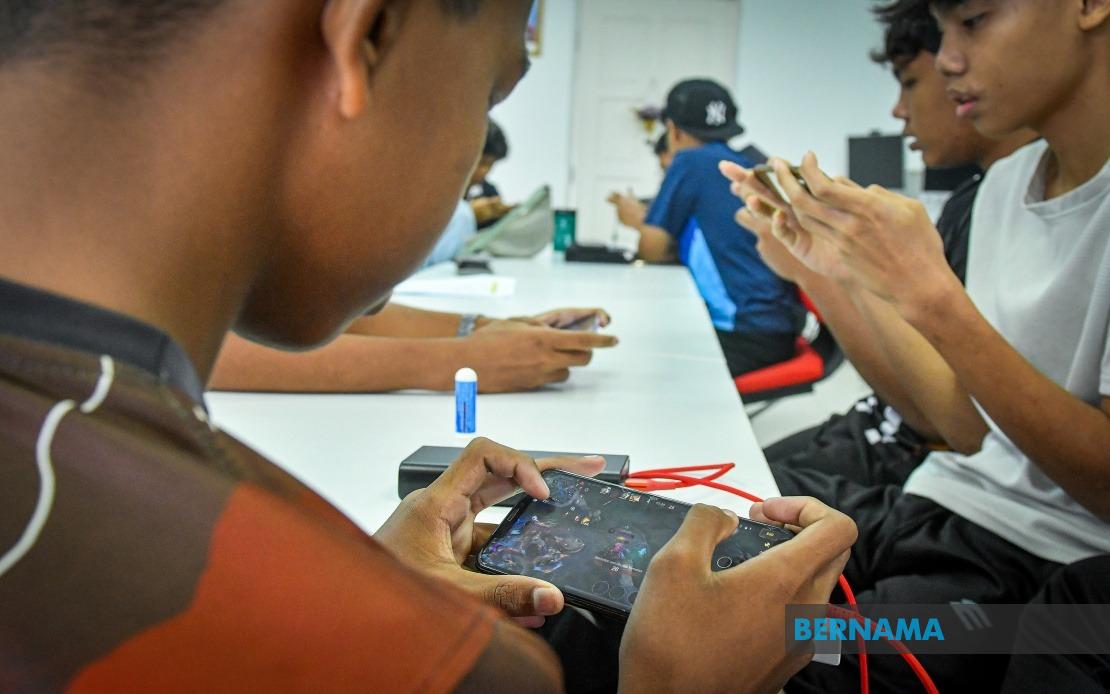
Malaysia is escalating its effort to ensure parents understand and enforce the government's policy prohibiting children under 16 from holding social media accounts, according to Deputy Communications Minister Teo Nie Ching. Speaking at a Parent-Teacher Association convention in Johor Bahru on August 22, Teo outlined how the Safe Internet Campaign would intensify messaging around the digital age restriction, positioning parental awareness and oversight as cornerstones of the initiative. The campaign represents a shift in approach, moving beyond simple account bans to focus on educating households about responsible device use and online safety from within the home environment.
The government's policy framework, which took effect on June 1 under the Child Protection Code and Risk Mitigation Code, requires social media platforms to implement age-verification mechanisms using official identity documents such as MyKad, passport, or MyDigital ID. However, Teo emphasised that the policy operates on the principle of shared responsibility rather than absolute prohibition. While parents retain the legal right to register digital accounts on behalf of their children, the government expects households to exercise self-regulation and actively manage online exposure. This nuanced position acknowledges the reality of family circumstances while placing accountability squarely on parental shoulders for monitoring and guiding children's digital behaviour.
The messaging strategy reflects recognition that enforcement alone cannot address the complex dynamics of childhood development and digital engagement. Teo stressed that education and guidance must supersede mere prohibition, arguing that parents who simply block access without explaining the reasoning behind age restrictions miss an opportunity to instil digital literacy and responsible online citizenship. This pedagogical approach aligns with broader understanding in child development circles that adolescents respond better to reasoned explanations and collaborative rule-setting than to authoritarian restrictions. By positioning parents as active partners in the Safe Internet Campaign rather than mere enforcers of rules, the government aims to create a foundation for sustained behavioural change.
Implementation of the policy has already achieved substantial reach across Malaysia's educational institutions. The campaign has involved 5,946 government-funded primary schools, 2,416 government secondary schools, 1,285 Chinese vernacular schools, and 524 Tamil vernacular schools. Beyond conventional schooling, the initiative has extended into higher education, reaching 68 tertiary institutions alongside 67 Form Six colleges or vocational training centres and six teacher education institutes. This institutional penetration demonstrates the government's commitment to embedding digital safety messaging throughout the education system, creating multiple touchpoints where young people and their guardians encounter consistent information about online behaviour standards.
The Malaysian Communications and Multimedia Commission will play a crucial enforcement role, moving beyond awareness campaigns to take concrete action against violations. When reports surface of minors misusing social media accounts, the MCMC will submit documentation to digital platform providers requesting account removal. This two-pronged approach combining preventive education with reactive enforcement provides leverage at both ends of the spectrum. However, the effectiveness of such measures depends significantly on parental reporting and cooperation. Without engaged parents monitoring their children's online activity, identifying violations becomes exponentially more difficult, underscoring why the Safe Internet Campaign prioritises parental awareness and responsibility.
The roadshow nature of the campaign reflects consideration for Malaysia's geographic and demographic diversity. The Johor Bahru convention represented the fourth instalment of a planned national rollout, with subsequent events scheduled for Sabah in September and Sarawak in October. This deliberate geographic expansion ensures that messaging reaches different communities, family structures, and socioeconomic contexts where digital access and parental capacity vary considerably. Urban middle-class parents may face different challenges than rural families or those in East Malaysia when implementing age restrictions, making localised engagement and context-sensitive messaging particularly valuable for campaign success.
For Malaysian parents, the implications of this policy shift are significant. Households must engage in active conversations about digital citizenship rather than simply enforcing blanket prohibitions. Parents who want to comply with government policy while maintaining family harmony face the pedagogical challenge of helping children understand why they cannot access platforms their peers potentially use. This requires investment of parental time and emotional energy beyond simple account monitoring. Educational institutions supporting the campaign through their participation in the Safe Internet Initiative can bolster parental efforts by consistently reinforcing key messages and providing resources that help families navigate these conversations productively.
Regionally, Malaysia's approach offers a distinctive model for managing youth digital access. While some neighbouring countries have debated similar restrictions, Malaysia's emphasis on age-verification requirements backed by national identity documentation represents a technologically ambitious enforcement mechanism. The reliance on official identity documents creates both opportunities and challenges—it raises barriers to account creation for under-16s but potentially disadvantages vulnerable populations without formal identification. The campaign's emphasis on parental education alongside policy enforcement distinguishes this initiative from purely regulatory approaches that might lack social buy-in or create incentives for workarounds.
The success of the Safe Internet Campaign ultimately depends on building genuine understanding among Malaysian parents about why the age restriction exists and how it benefits child development. Regulatory frameworks can prevent account creation, but they cannot prevent resourceful young people from accessing social media through shared accounts, alternative platforms, or workarounds. Therefore, the government's investment in awareness campaigns and parental education addresses the critical gap between what policy mandates and what actually occurs within family settings. By treating parents as partners in protecting children's digital wellbeing rather than obstacles to circumvent, the campaign positions itself to achieve more sustainable outcomes than enforcement mechanisms alone could provide.

