The Malaysian Golf Association (MGA) has intensified its push to secure dedicated coaching resources from the federal government, signalling the sport's determination to make a meaningful impact when Malaysia hosts the 2027 SEA Games. During a recent engagement with the Ministry of Youth and Sports (KBS), MGA leadership identified the appointment of a full-time national coach as a critical priority for elevating competitive standards and establishing a more disciplined, methodical approach to athlete preparation. The association's advocacy reflects growing recognition across Malaysian sports that sustainable excellence requires institutional investment and professional infrastructure rather than ad-hoc support arrangements.
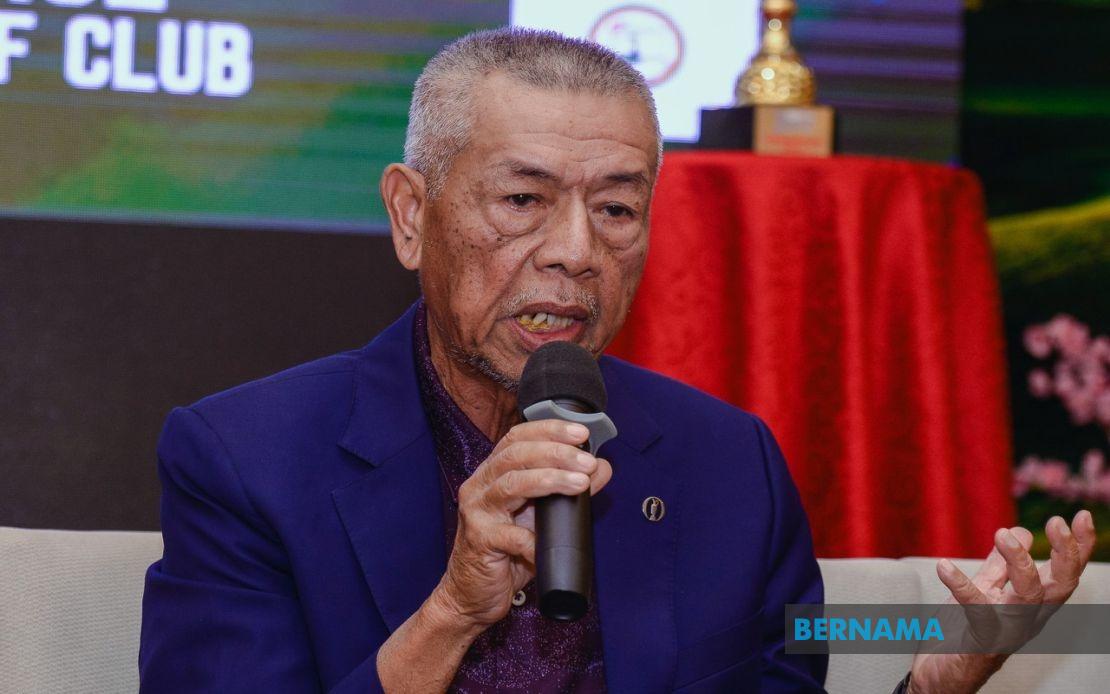
Tan Sri Mohd Anwar Mohd Nor, the MGA president, articulated the association's position during discussions with KBS secretary-general Datuk Rahimi Ismail, framing the coaching vacancy as central to the broader agenda of strengthening Malaysia's golfing ecosystem. The appointment would serve a dual purpose: providing immediate tactical and technical guidance to competing athletes while simultaneously establishing consistency in training methodologies and performance standards. Mohd Anwar emphasised that without such institutional scaffolding, the national programme risks operating in fragmented fashion, with individual players relying on disparate support systems rather than cohesive, coordinated development pathways.
The timing of this initiative underscores the compressed preparation window available to the national team. With the Games now less than three years away, the MGA recognises that elite-level international competition requires lead time measured in years rather than months. A permanent coach could immediately begin assessing current talent, identifying skill gaps, designing individualised improvement plans, and integrating younger prospects into a structured pipeline. This foresight contrasts with reactive approaches that emerge only as competitions approach, typically resulting in suboptimal preparation and unrealised potential.
The MGA is simultaneously pursuing geographical diversification of training facilities and expertise. Leadership has initiated contact with Sarawak's Minister of Youth, Sports and Entrepreneur Development, Datuk Seri Abdul Karim Rahman Hamzah, to explore the possibility of conducting intensive preparation programmes in the state. This multi-location strategy acknowledges that different regions possess distinct environmental conditions, course characteristics, and specialist coaching resources that could provide valuable variety in developmental experiences. Training in Sarawak would expose athletes to diverse playing conditions while building inter-state collaboration and distributing coaching capacity across the country.
Coordination with national sports administration bodies represents another tactical pillar. The MGA is actively engaging both the Ministry of Youth and Sports and the National Sports Council (NSC) to align golf's aspirations with broader government sports policy, securing institutional buy-in and unlocking funding streams typically available only through formal government programmes. This collaborative approach signals maturity in organisational thinking, recognising that isolated appeals for assistance carry less weight than comprehensive proposals integrated into national sports development frameworks.
The scale of Malaysia's hosting responsibilities adds further urgency to these preparations. Hosting a regional Games involves not only fielding competitive teams but also managing infrastructure, officiating, and event presentation. For golf, this encompasses ensuring courses meet international standards, recruiting and training marshals and officials, and projecting a professional image befitting Malaysia's regional sporting standing. A well-prepared national team contributes significantly to the overall success narrative, demonstrating home advantage and generating domestic sporting pride.
The 100PLUS MGA National Junior Development Programme (NJDP) Junior Series 2026, launched concurrently with these strategic discussions, represents complementary investment in the talent pipeline. Nurturing junior competitors through structured competition and coaching ensures a continuous flow of emerging talent while allowing coaches to identify prospects with potential for senior international success. This pyramidal approach—from grassroots development through elite national teams—reflects sophisticated sports programme design and increases the probability of sustained competitive improvement rather than isolated successes dependent on particular individuals.
The broader Southeast Asian golfing landscape provides important context for Malaysia's ambitions. Regional competition has intensified markedly over the past decade, with neighbouring countries investing substantially in coaching, facility development, and athlete support systems. Thailand, Indonesia, and Singapore have each prioritised golf at government and federational levels, producing competitors of international quality. Malaysia's pursuit of a permanent national coach reflects necessary competitive adaptation; failure to match regional investment risks falling behind in a sport where technical proficiency and psychological preparation directly correlate with performance outcomes.
Securing high-calibre coaching talent carries its own complexities. The MGA's expressed intention to identify and recruit a "golf coach of high calibre" suggests international recruitment is under consideration, given the relatively limited pool of coaches with demonstrable success at SEA Games and comparable levels. Such appointments require not only technical expertise but also adaptability to Malaysian conditions, understanding of local athlete development contexts, and communication skills capable of engaging diverse stakeholder groups. Negotiating competitive compensation packages and professional conditions represents an ongoing challenge for Malaysian sports federations attempting to attract world-class expertise.
The initiative also reflects evolving governance standards within Malaysian sports. The MGA's structured engagement with government agencies, comprehensive proposal development, and multi-faceted preparation strategy demonstrate organisational maturation and professional management practices. This approach increases credibility with funding bodies and policy-makers, enhancing the likelihood of sustained support beyond immediate Games preparation. Demonstrating strategic thinking and accountability appeals to government interests in maximising return on public sports investment.
Looking beyond 2027, the establishment of permanent coaching infrastructure creates institutional capacity that extends beyond a single Games cycle. Coaches recruited for the 2027 preparations could continue developing talent in subsequent years, building cumulative expertise and deepening programme continuity. This long-term perspective aligns with international best practices in sports development, where sustained excellence emerges from institutions rather than isolated initiatives.
The financial implications merit consideration. Government support through KBS potentially addresses coaching salaries, facility access, and training programme delivery—costs that MGA alone struggles to sustain independently. However, securing such support requires convincing policy-makers that golf merits priority positioning within broader youth and sports ministry portfolios, competing for resources alongside higher-profile sports. The MGA's emphasis on Malaysia's hosting status provides leverage, framing investment as essential to national image and sporting prestige rather than elite sport sectarianism.
Ultimately, the MGA's advocacy campaign reflects realistic assessment of competitive requirements for the 2027 SEA Games. Hosting presents both opportunity and obligation—opportunity to showcase Malaysia's sporting capabilities and investment in excellence, obligation to field teams competitive with regional standards. Establishing permanent coaching infrastructure represents prudent investment in fulfilling both dimensions, positioning Malaysian golf for measurable progress within the compressed but achievable timeframe remaining.