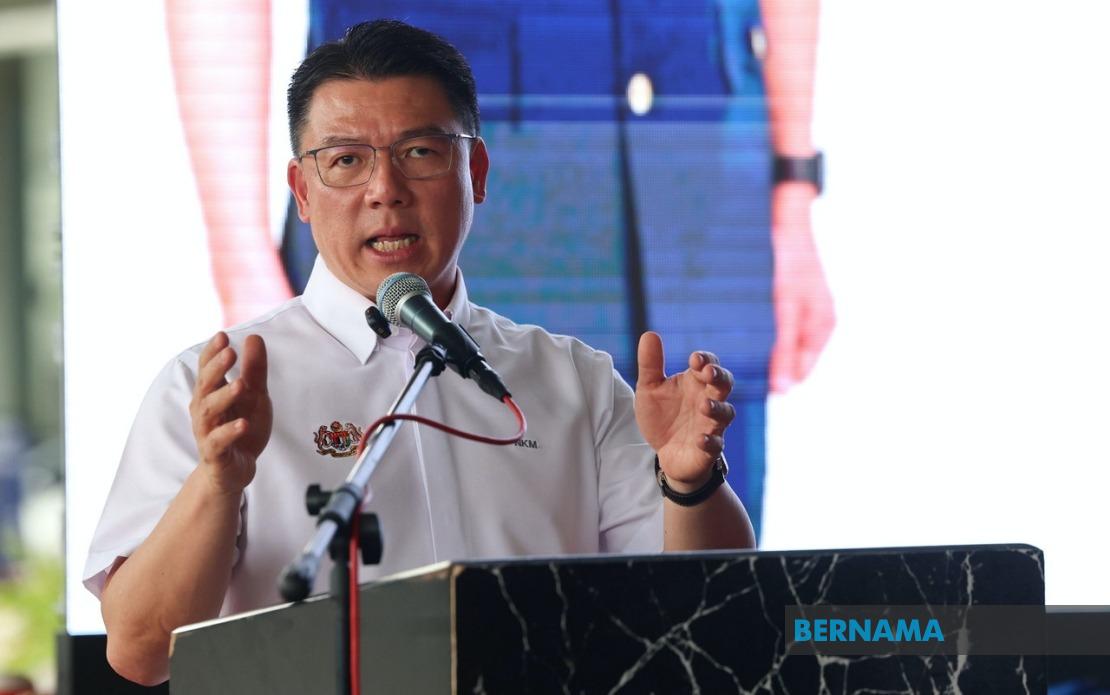
Malaysia is turning to Japan's proven waste management systems as a blueprint for transforming how the nation handles environmental sustainability. Housing and Local Government Minister Nga Kor Ming indicated that the country intends to draw extensively from Japan's renowned waste separation practices and ingrained culture of cleanliness, recognising these as critical ingredients in shifting towards a circular economy model. The comparison reflects Malaysia's growing acknowledgement that tackling waste management requires more than regulatory frameworks—it demands a fundamental shift in how citizens approach resource consumption and disposal.
The Japanese approach, which has made waste separation an integral part of daily routines, offers a stark contrast to Malaysia's current practices where waste management remains inconsistent across regions. In Japan, households and businesses instinctively categorise refuse into multiple streams before collection, a behaviour embedded through decades of education and social reinforcement. This contrasts sharply with many parts of Malaysia where mixed waste remains the norm, creating significant challenges for downstream recycling operations and recovery facilities. Nga emphasised that Malaysia must replicate this cultural transformation, noting that adopting such practices cannot rely solely on regulatory enforcement but must become a natural part of citizens' lives.
A cornerstone of this bilateral effort is the proposed Memorandum of Understanding between Malaysia and Japan, which received Cabinet approval last month. This agreement will facilitate systematic knowledge transfer, enabling Malaysian institutions and policymakers to access Japanese technological innovations and proven methodologies in waste processing and circular economy development. Beyond theoretical knowledge, the MoU opens channels for practical collaboration, allowing Malaysian waste management operators and local authorities to learn directly from their Japanese counterparts. Such exchanges often prove invaluable, as they provide context-specific insights that academic research cannot always capture.
Malaysia has already established foundational frameworks for its circular economy transition, including the National Circular Economy Blueprint and the National Circular Economy Council, demonstrating governmental commitment to this agenda. The country has also mandated that shopping malls incorporate recycling facilities as a licensing requirement, recognising commercial spaces as critical hubs for instilling waste separation habits among consumers. Additionally, ongoing efforts to phase out single-use plastic bags represent incremental progress, though these measures have faced mixed success due to inconsistent implementation and public compliance challenges. These existing initiatives provide a platform upon which enhanced cooperation with Japan can build.
The implications for Malaysia extend beyond domestic waste management. As Southeast Asia's second-largest economy, Malaysia's transition towards a circular economy carries regional significance, particularly as neighbouring countries grapple with similar waste management crises. The region generates substantial quantities of plastic and hazardous waste, much of which previously relied on exports to developed nations. With import restrictions tightening globally, regional nations must develop local capacity for processing and recycling, making Malaysia's experience potentially instructive for countries like Thailand, Indonesia, and Vietnam.
Education emerges as a critical differentiator in Nga's vision. By integrating waste separation and environmental responsibility into school curricula, Malaysia can cultivate a generation that views sustainable practices as normal rather than exceptional. This approach aligns with Japan's success in building environmental consciousness from childhood, where students participate in school-based recycling programmes and public cleanliness initiatives. Malaysia's diverse demographic composition requires culturally sensitive approaches to such education, but the underlying principle remains sound: early conditioning shapes lifelong behaviours.
The courtesy visit to Japanese Ambassador Noriyuki Shikata underscores the diplomatic dimensions of this cooperation. Japan's position as a technological powerhouse in waste management and environmental innovation makes it an attractive partner for developing nations pursuing sustainability goals. Simultaneously, Malaysia's strategic location in Southeast Asia and its growing economy present opportunities for Japan to expand its environmental technology market and establish regional hubs for circular economy initiatives. This mutually beneficial arrangement typically yields more durable partnerships than unidirectional aid relationships.
Shikata's invitation for Malaysian delegations to attend GREEN×EXPO 2027 in Yokohama signals broader opportunities beyond waste management alone. The expo will showcase innovations in smart cities and sustainable urban development, domains increasingly critical as Malaysia urbanises rapidly. For Malaysian city planners, entrepreneurs, and policymakers, such international platforms provide exposure to cutting-edge technologies and international best practices. More importantly, these forums facilitate networking that often generates bilateral projects extending far beyond the initial exhibition.
Implementation challenges, however, remain substantial. Malaysia's diverse geography—from densely populated urban centres to remote rural areas—demands differentiated waste management approaches. Infrastructure deficiencies in certain regions may hinder the rollout of comprehensive waste separation systems. Additionally, socioeconomic factors influence public participation in recycling programmes; lower-income households may prioritise immediate concerns over environmental considerations. Successful adoption of Japanese practices therefore requires not merely technical transfer but careful adaptation to Malaysian contexts, including investment in waste management infrastructure and sustained public awareness campaigns.
The circular economy transition also carries economic dimensions often overlooked in environmental discourse. Proper waste management creates employment opportunities in collection, sorting, processing, and value recovery. Japan's waste industry demonstrates how treating waste as a resource rather than a liability can generate sustainable livelihoods. Malaysia, with its growing manufacturing and consumer sectors, stands to benefit substantially from developing domestic circular supply chains, reducing import dependencies while creating green jobs.
The timeline for this transformation remains unspecified, but meaningful progress typically requires five to ten years of sustained commitment. Success will be measured not merely by policy documents or facility construction, but by measurable changes in waste composition, recycling rates, and public participation. Regular monitoring and reporting mechanisms, likely incorporated into the forthcoming MoU, will be essential for tracking progress and making necessary adjustments.
Ultimately, Malaysia's embrace of Japanese waste management practices reflects a broader regional awakening to environmental imperatives. As climate change intensifies and waste management crises deepen, Southeast Asian nations increasingly recognise that sustainable development is not a luxury but a necessity. Through structured cooperation with established environmental leaders like Japan, Malaysia positions itself as a responsible regional actor while building the institutional capacity needed for long-term sustainability.

