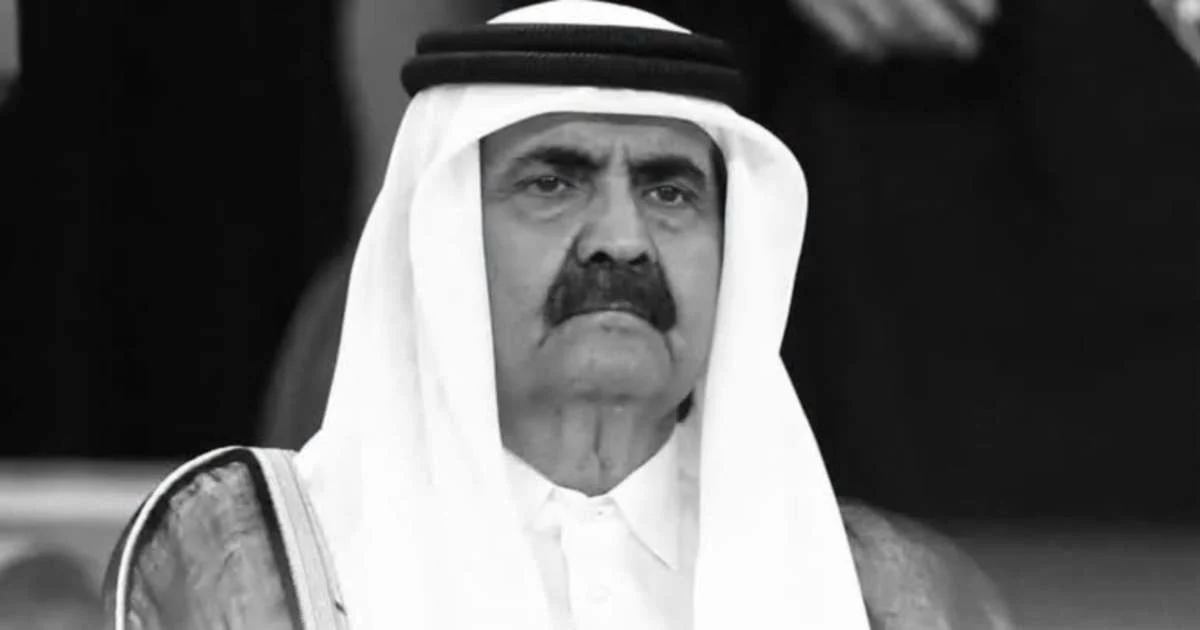
Prime Minister Datuk Seri Anwar Ibrahim has conveyed Malaysia's deepest sympathies to the Qatari government and its citizens following the passing of Sheikh Hamad bin Khalifa Al Thani, the Gulf nation's former leader, who died today at the age of 74. The diplomatic gesture reflects the longstanding bonds between Kuala Lumpur and Doha, two nations with significant historical and economic connections spanning decades of cooperation across multiple sectors.
Sheikh Hamad bin Khalifa Al Thani, who served as Qatar's emir for 18 years before stepping down in 2013, played a transformative role in elevating his country's regional and global standing during his tenure. His leadership was marked by substantial investments in infrastructure, energy diversification, and cultural development that fundamentally reshaped the small Persian Gulf state into a major international player. The former ruler's influence extended well beyond his formal period in office, as he remained an influential figure in Qatari affairs and a respected voice in Arab diplomacy even after his successor took the helm.
Malaysia and Qatar have developed robust relations underpinned by shared Islamic values and mutual economic interests. The Southeast Asian nation has benefited from Qatar's sovereign wealth investments, while Doha has sought closer ties with Malaysia as part of its strategic outreach to the Asia-Pacific region. Educational exchanges, business partnerships, and diplomatic collaboration have strengthened the bilateral relationship, making condolences from Malaysia's top leadership particularly meaningful in demonstrating respect for Qatar's loss.
Prime Minister Anwar's message of sympathy arrives at a significant moment for Qatar, which has been consolidating its position as a regional power following its hosting of the FIFA World Cup in 2022. The country, led by Sheikh Hamad bin Khalifa Al Thani's son, the current emir Sheikh Tamim bin Hamad Al Thani, continues to navigate complex geopolitical dynamics in the Middle East while pursuing ambitious development agendas. The death of the former emir represents an important moment for national reflection on Qatar's journey over the past two decades.
Sheikh Hamad bin Khalifa Al Thani's decision to abdicate power in 2013 was considered unusual in the region, marking a rare instance of planned succession among Gulf monarchies. His transfer of authority to his son demonstrated a deliberate approach to governance transition and succession planning that analysts have studied as a model of orderly leadership change in the Arabian Peninsula. Throughout his retirement from formal office, he maintained considerable influence within Qatari society and remained a respected elder statesman.
The loss of the former emir carries particular significance given the role he played in modernizing Qatar's institutions and establishing the country as a hub for international diplomacy and cultural exchange. His tenure witnessed the establishment of major media outlets, educational institutions, and sporting venues that have become globally recognized symbols of Qatari ambition and vision. The legacy of Sheikh Hamad bin Khalifa Al Thani extends beyond his official years in power, having left an indelible mark on the nation's trajectory and international relationships.
For Malaysia, maintaining strong ties with Qatar remains strategically important as Southeast Asia deepens its engagement with the wider Middle East. The Gulf state serves as an important trading partner and investment source for Malaysia, particularly in the energy sector and sovereign wealth management. Doha's growing interest in Asian markets and Malaysian expertise in Islamic finance and governance has created a mutually beneficial partnership that transcends the traditional boundaries of regional association.
Prime Minister Anwar's condolences underscore Malaysia's commitment to maintaining diplomatic relations with all major regional players, particularly those with whom the country shares cultural and religious connections. The gesture is consistent with Malaysia's broader foreign policy approach of fostering goodwill across diverse nations and civilizations. As Malaysia continues to assert itself as a voice for developing nations and the Global South, such diplomatic expressions serve to reinforce the country's standing in international affairs and demonstrate respect for the significance of Qatar's loss.
The death of Sheikh Hamad bin Khalifa Al Thani also marks a transitional moment for regional politics, as key figures who shaped the modern Middle East gradually pass from the scene. His passing, along with similar developments affecting other leaders in the region, prompts reflection on succession planning, institutional stability, and the continuity of diplomatic relationships across generational lines. For Malaysia and other nations maintaining ties with Qatar, ensuring the preservation and strengthening of bilateral relationships remains a priority regardless of personnel changes at the highest levels of government.

