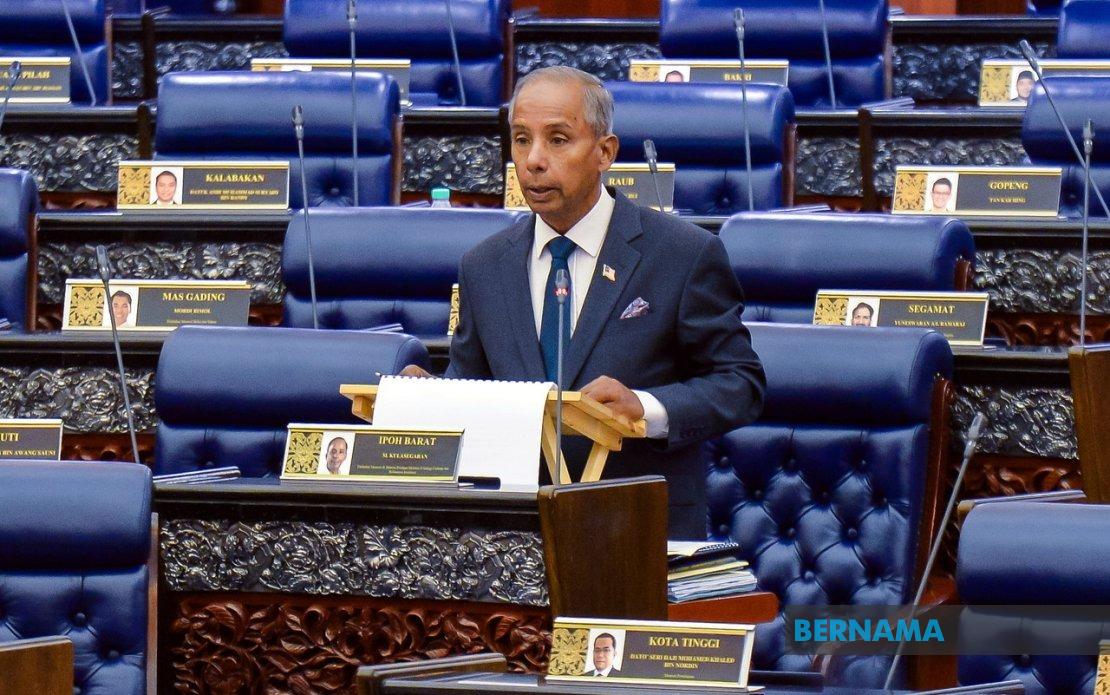
Malaysia's parliament has moved to strengthen protections for children by extending its legal reach across borders. The Dewan Rakyat on June 30 gave overwhelming approval to the Sexual Offences Against Children (Amendment) Bill 2026, a legislative step designed to prevent offenders connected to Malaysia from exploiting jurisdictional gaps to evade accountability for crimes committed overseas. The chamber passed the measure following robust debate involving 25 legislators from both government and opposition benches, signalling broad parliamentary consensus on child protection matters.
The amendment represents a significant evolution in how Malaysia tackles one of the most serious crimes in its criminal code. By extending extraterritorial jurisdiction, the law closes a dangerous loophole that has historically allowed Malaysian citizens or permanent residents to commit offences in foreign countries without facing consequences at home. This approach acknowledges the reality that paedophiles and sexual predators often cross borders to exploit vulnerabilities in different legal systems, targeting children in countries with weaker enforcement mechanisms or different age-of-consent laws.
Deputy Minister M. Kulasegaran, speaking in his capacity overseeing law and institutional reform in the Prime Minister's Department, articulated the government's reasoning during the bill's passage. He emphasised that the expansion of extraterritorial application would ensure that offenders cannot simply relocate or commit crimes abroad as a strategy to evade Malaysia's justice system. This principle reflects international best practices, where nations increasingly recognise that child protection cannot stop at borders and that offenders with domestic connections bear responsibility regardless of where their crimes occur.
Crucially, Kulasegaran clarified a potential misconception that might concern neighbouring countries and international partners. The amendment does not grant Malaysia automatic jurisdiction over all child sexual abuse cases occurring abroad, nor does it allow the country to impose its legal framework globally. Instead, the legislative framework maintains respect for the sovereignty of the country where the offence took place, preserving that nation's primary right to investigate and prosecute cases under its own laws. This balanced approach avoids accusations of legal imperialism while still protecting Malaysian-connected individuals from becoming perpetrators.
The practical application of the amendment will operate through established international cooperation channels. When complaints emerge in multiple jurisdictions involving the same offender or incident, Malaysian authorities will engage with counterparts in other countries through formal diplomatic and law enforcement mechanisms. These consultations will determine the most strategically sound approach, taking into account factors such as where evidence is most readily available, where witnesses can be most easily accessed, which legal system offers the strongest case structure, and broader considerations of justice that might favour prosecution in one jurisdiction over another.
For Malaysia, this legislative move carries particular significance given the country's emergence as a regional hub for tourism, business travel, and expatriate communities. These demographics create situations where Malaysian citizens abroad, or foreign residents in Malaysia, may commit offences across borders. The amendment ensures that Malaysian courts remain available as a venue for justice even when the crime itself occurred in Thailand, Indonesia, Cambodia, or other countries where Malaysian nationals have travelled. This is especially important for child trafficking situations, where exploitation networks often span multiple countries within the Southeast Asian region.
The bill's passage also signals Malaysia's commitment to international child protection conventions and standards. Many developed nations already employ extraterritorial provisions for child sexual abuse, recognising that child protection is a universal concern transcending borders. By adopting this approach, Malaysia aligns itself with international norms and strengthens its standing in regional and global forums dedicated to combating child exploitation. This alignment matters for cooperation with countries like Australia, Canada, and Singapore, which increasingly share intelligence and evidence related to transnational child abuse cases.
The legislative debate itself, drawing participation from 25 MPs across party lines, demonstrates that child protection remains one of the few policy areas commanding genuine bipartisan support in Malaysia. In an increasingly polarised political environment, unanimous or near-unanimous votes on matters involving vulnerable populations reflect genuine concern rather than political theatre. This consensus suggests that both ruling and opposition parties recognise the moral and practical imperatives of closing legal loopholes that endanger children.
Implementation of the amendment will require training for prosecutors, judges, and law enforcement to handle the procedural complexities of extraterritorial cases. Evidence gathered in foreign jurisdictions may require authentication through formal channels. International witnesses may be unavailable or unwilling to travel to Malaysia. These practical challenges mean that the amendment's effectiveness depends not merely on its passage but on sustained institutional investment and sustained cooperation with international partners. The government will need to establish protocols ensuring that this new power is exercised carefully and that Malaysian courts do not become overwhelmed with cases better prosecuted elsewhere.
The amendment also raises important questions about how Malaysia will navigate potential conflicts with countries that may wish to prosecute the same offender. Precedent from other nations suggests that determining which country proceeds first requires delicate diplomatic coordination. Malaysia's approach, emphasising consultation and cooperation rather than automatic jurisdiction, positions the country as a responsible international actor rather than one seeking to expand its judicial reach indiscriminately. This restraint may actually enhance the amendment's effectiveness by building goodwill among regional partners who might otherwise view extraterritorial laws as threats to their own sovereignty.

