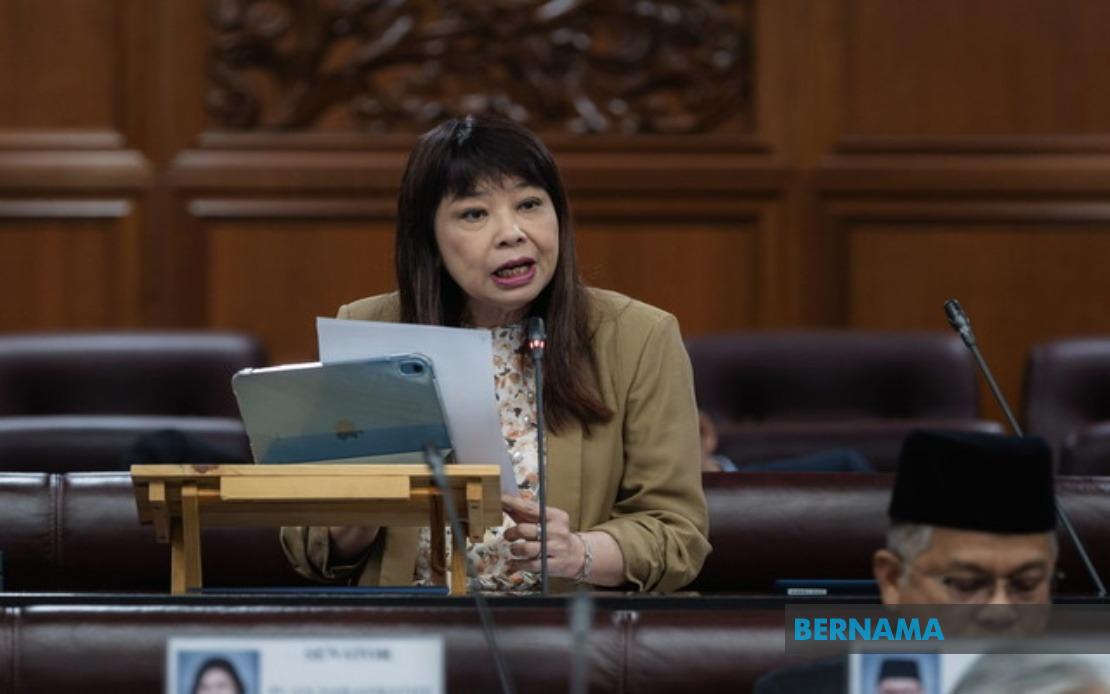
The Malaysian government is advancing plans to create a comprehensive system for identifying and monitoring individuals convicted of repeated domestic violence offences, according to Deputy Women, Family and Community Development Minister Lim Hui Ying. Speaking during parliamentary proceedings in the Dewan Negara, Lim outlined a collaborative effort involving three key government bodies—the Women, Family and Community Development Ministry (KPWKM), the Royal Malaysia Police (PDRM), and the judicial system—to develop mechanisms that would address the persistent problem of serial abusers.
The initiative reflects growing recognition that current safeguarding mechanisms are insufficient to prevent habitual offenders from targeting new or returning victims. Lim acknowledged that Malaysia presently lacks reliable data systems to effectively track repeat perpetrators across jurisdictions, creating gaps in victim protection efforts. By establishing a centralised registry linked to criminal records or similar offender monitoring frameworks, authorities aim to equip law enforcement and courts with actionable intelligence when assessing bail conditions, sentencing recommendations, and protection order applications.
This proposal carries significant implications for Malaysian women and vulnerable individuals, as domestic violence remains a persistent social challenge. The registry concept, while increasingly common in developed nations, represents a notable policy shift in the Malaysian context, where privacy concerns and data protection considerations must be balanced against victim safety imperatives. The mechanism would theoretically enable protection order courts to identify repeat offenders during proceedings, potentially influencing judicial decisions on restraining orders and conditional releases.
Beyond the registry initiative, the KPWKM has committed substantial resources to expanding the physical infrastructure supporting abuse survivors. The ministry has earmarked RM2.1 million for the current financial year to renovate and upgrade more than twenty government-operated shelters throughout Malaysia. These improvements target operational functionality, resident safety protocols, and the quality of temporary accommodation provided to individuals fleeing dangerous home environments. Shelter capacity and quality remain critical bottlenecks in Malaysia's domestic violence response system, as overcrowding and inadequate facilities often limit the number of people authorities can accommodate during crisis situations.
The Social Welfare Department's (JKM) latest records, current through July 2026, indicate that Malaysia has approved forty-three shelters under the Domestic Violence Act 1994 (Act 521). This network comprises thirty-nine government-managed facilities and four operated by non-governmental organisations, suggesting that while public capacity dominates, private sector and civil society organisations play a meaningful supplementary role. The distribution and accessibility of these shelters across Malaysia's diverse geography—from urban centres to rural areas—remains an ongoing challenge for equitable service delivery.
Beyond shelter provision, the JKM administers a tiered legal protection framework designed to respond rapidly to acute abuse situations. Emergency Protection Orders (EPOs) can be issued within two hours when victims face immediate danger, providing time-sensitive judicial intervention without the formal delays associated with standard court proceedings. This rapid-response mechanism reflects international best practice in domestic violence jurisprudence, recognising that the period immediately following a victim's departure from an abusive household represents heightened risk for serious harm or homicide.
Following the expedited EPO process, victims may proceed to obtain Interim Protection Orders (IPOs) and permanent Protection Orders (POs) through formal court applications. The JKM actively assists survivors navigating this legal pathway, acknowledging that survivors often face substantial barriers including legal literacy gaps, transportation difficulties, and financial constraints that impede access to justice. By providing administrative support alongside legal measures, the government recognises that statutory protections remain ineffective if survivors cannot practically access them.
The proposed registry and enhanced shelter infrastructure must be understood within the broader context of Southeast Asia's domestic violence landscape. Regional data consistently demonstrates that abuse remains dramatically underreported, with many incidents never reaching official statistics or law enforcement attention. Malaysia's initiative aligns with regional and international momentum toward victim-centred policy frameworks, though implementation challenges—including inter-agency coordination, data privacy compliance, and resource constraints—remain substantial.
The timing of this announcement also reflects heightened parliamentary and civil society scrutiny of gender-based violence in Malaysia. Senator Tiew Way Keng's parliamentary question that prompted Lim's response indicates sustained legislative pressure on the executive to demonstrate concrete progress on domestic violence prevention. This political attention, while potentially transient, creates windows of opportunity for advancing systemic reforms that might otherwise languish in bureaucratic processes.
Looking forward, the effectiveness of both the proposed registry and the expanded shelter network will depend substantially on implementation quality and sustained funding commitments. Malaysian civil society organisations and international observers will likely monitor whether the government translates these policy announcements into tangible operational improvements. The registry concept particularly requires careful attention to data governance, to ensure that information systems designed to protect victims do not inadvertently create vulnerabilities or compromise survivor confidentiality.

