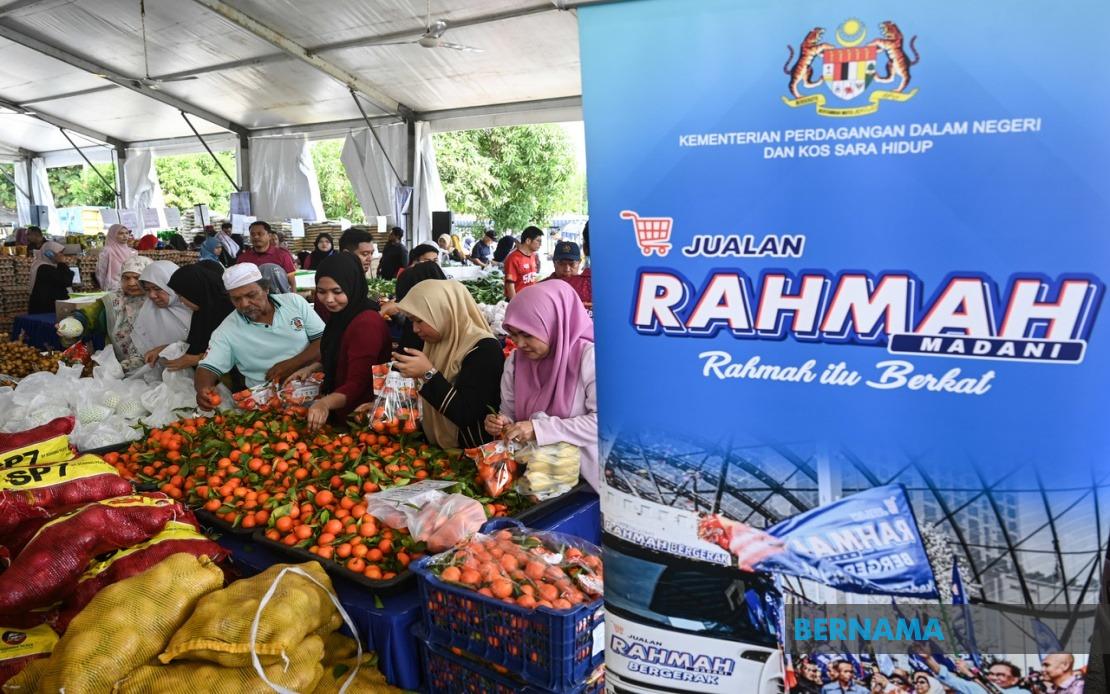
The Malaysian government has unveiled plans to launch the Ihsan Rahmah 9.9 online sale on September 9 in conjunction with Malaysia Day 2026, marking a significant shift in how the initiative reaches citizens. Prime Minister Datuk Seri Anwar Ibrahim made the announcement following his address at the TikTok Shop Summit Malaysia in Kuala Lumpur, signalling the administration's commitment to leveraging digital commerce platforms for public welfare initiatives. The move represents a modernisation of the existing Jualan Rahmah programme, which traditionally operated through physical retail locations, now extending its reach into the e-commerce space where Malaysian consumers increasingly conduct their shopping.
The initiative is designed to serve all 34.5 million Malaysians by providing access to essential household items and daily necessities at substantially reduced prices. According to the Prime Minister, the programme will be implemented through coordinated support from multiple government ministries and relevant stakeholders, ensuring comprehensive coverage and efficient delivery across the nation. This inter-agency approach reflects recognition that addressing cost of living pressures requires coordination beyond a single ministry's capacity, with involvement from departments responsible for communications, entrepreneurship, and domestic trade.
The Jualan Rahmah programme, administered by the Ministry of Domestic Trade and Cost of Living, has established itself as a cornerstone of the government's effort to provide price relief to Malaysian households. The discounts offered typically range from 10 to 30 per cent below regular retail prices, a significant saving for families managing tight household budgets. By transitioning this programme to an online platform, particularly through established e-commerce channels like TikTok Shop, the government aims to make these discounted offerings accessible to broader segments of the population, particularly younger consumers and those in areas with limited physical retail infrastructure.
Prime Minister Anwar emphasised that strong economic growth figures alone are insufficient if they do not translate into tangible improvements in citizens' quality of life. He connected the Ihsan Rahmah initiative to broader government priorities including education, healthcare, infrastructure development, and affordability of essential services. This framing positions cost of living support as integral to the administration's overall economic and social agenda, rather than a temporary relief measure. The timing of the 9.9 sale on Malaysia Day holds symbolic significance, positioning the initiative as a national endeavour that represents collective support for the entire population.
The involvement of Communications Minister Datuk Seri Fahmi Fadzil alongside Entrepreneur and Cooperative Development Minister Steven Sim Chee Keong and Domestic Trade and Cost of Living Minister Datuk Armizan Mohd Ali underscores the multifaceted nature of the online sale launch. The communications ministry's participation suggests significant promotional efforts will accompany the sale, ensuring Malaysians across demographic groups are aware of the initiative and understand how to participate. The entrepreneurship ministry's involvement indicates potential opportunities for small businesses and cooperatives to participate as vendors within the online sale framework, potentially supporting the nation's SME ecosystem whilst providing discounted goods.
The shift from physical to online sales channels presents both opportunities and challenges for programme implementation. E-commerce platforms can theoretically reach more Malaysians simultaneously, eliminate geographic limitations, and reduce overhead costs. However, this transition requires ensuring digital access equity, particularly for elderly citizens and those with limited internet connectivity or technological literacy. The choice of TikTok Shop as a platform reflects the government's recognition of where Malaysian consumers, especially younger demographics, actively engage in online commerce. This platform-specific approach may require careful management to ensure older or less digitally-connected citizens are not disadvantaged.
The Prime Minister's emphasis on widespread promotion of the initiative suggests concern that awareness alone remains a significant barrier to programme success. Previous iterations of Jualan Rahmah have demonstrated that supply often fails to meet demand when word spreads about exceptional discounts. By proactively communicating the 9.9 online sale across government channels and partnering with e-commerce platforms for visibility, authorities aim to distribute demand more evenly and prevent the stock depletion issues that have characterised previous physical sales. This management approach reflects lessons learned from earlier promotional periods.
For Malaysian small and medium enterprises, the online platform presents potential advantages in reaching customers at scale. Vendors participating in the sale can leverage TikTok Shop's existing user base and logistics infrastructure, reducing barriers to digital commerce participation. However, tight profit margins resulting from the 10-30 per cent discount requirement may challenge some smaller businesses. The government's coordination of this initiative suggests potential incentive structures or support mechanisms may accompany vendor participation, though specific details remain to be clarified.
The Ihsan Rahmah 9.9 online sale represents evolving government thinking about cost of living support in the digital economy. Rather than viewing traditional retail-based programmes as fixed models, the administration is adapting mechanisms to meet consumers where they shop. This flexibility could enhance programme effectiveness and establish a template for future government-supported initiatives in the e-commerce space. As Malaysia increasingly emphasises digital economy development, integrating social support programmes into established platforms demonstrates integrated policy thinking that simultaneously addresses citizen welfare and digital economy participation.
The September 9 launch date provides government agencies and commercial partners approximately two weeks to finalise operational details, vendor recruitment, inventory coordination, and promotional campaigns. Success will ultimately be measured not merely by transaction volume but by how effectively the initiative reaches intended beneficiaries and meaningfully reduces household expenditure on essential items. The government's willingness to embrace online commerce channels for welfare initiatives signals recognition that digital platforms are no longer peripheral to public service delivery but increasingly central to how millions of Malaysians access goods and services.

