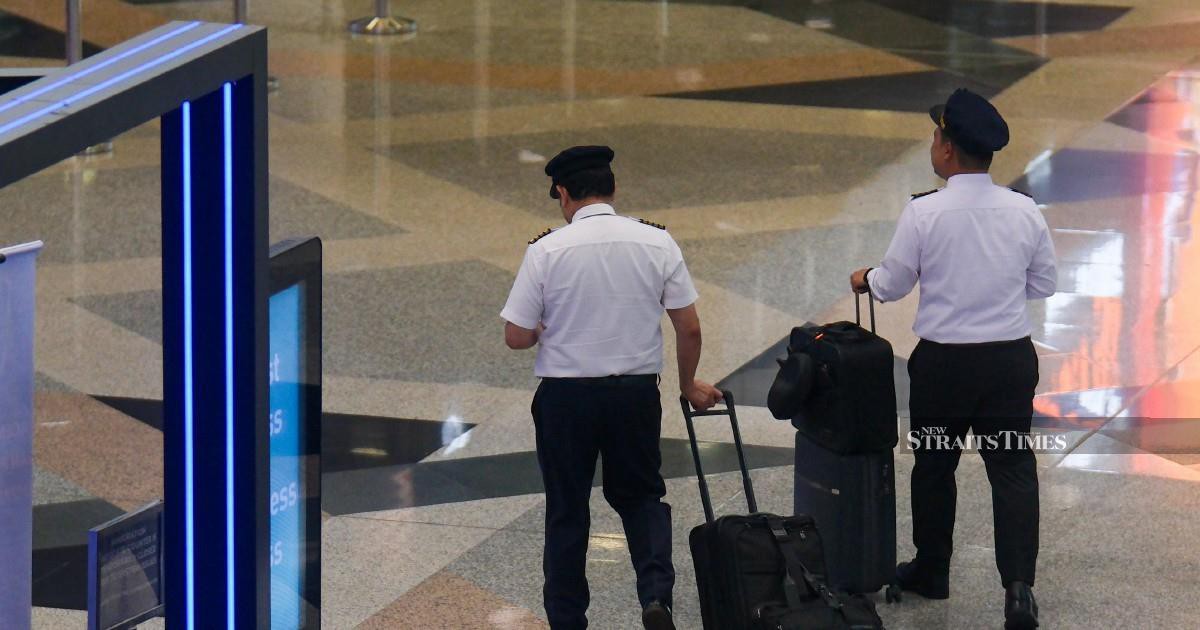
Malaysia Corruption Watch (MCW) has redirected the focus of investigations surrounding a pilot's arrest on drug charges in Indonesia, urging authorities to examine systemic security vulnerabilities at Kuala Lumpur International Airport rather than concentrating exclusively on determining which government agency bears responsibility for the breach.
The intervention by the anti-corruption watchdog represents a significant shift in perspective, moving beyond the conventional blame-assignment approach that typically follows security incidents. MCW's position suggests that the incident—involving a pilot detained while carrying drugs across the border—should serve as a catalyst for comprehensive institutional reform at Malaysia's premier aviation hub. This analytical framework recognizes that finger-pointing between agencies, while potentially satisfying in the short term, may obscure the deeper operational and procedural deficiencies that allowed the situation to develop in the first place.
KLIA, as one of Southeast Asia's busiest international transportation gateways, handles millions of passengers and vast quantities of cargo annually. The airport's security infrastructure must balance the competing demands of maintaining tight border controls whilst facilitating efficient passenger and commercial flow. When breaches occur—whether they involve contraband, prohibited substances, or other illegal materials—they often indicate not isolated lapses by individual personnel but rather systemic weaknesses in surveillance protocols, staff vetting procedures, or inter-agency communication mechanisms that can be replicated and exploited multiple times before detection.
MCW's emphasis on structural security review highlights a mature understanding of institutional corruption. The watchdog appears to recognize that focusing narrowly on the individual officer or department that failed can allow more fundamental vulnerabilities to persist unchecked. By directing attention toward the systems themselves, MCW is advocating for a root-cause analysis that could yield actionable reforms—from enhanced screening procedures to improved information-sharing between different airport security divisions and federal agencies responsible for border enforcement.
The timing of MCW's intervention is particularly relevant given Malaysia's ongoing efforts to strengthen its reputation as a stable and secure international aviation hub. KLIA competes with other regional airports for international connections, airline partnerships, and cargo contracts. A series of high-profile security breaches could gradually erode confidence among international carriers and multinational logistics operators, potentially redirecting traffic and investment toward competitors in Singapore, Bangkok, or Jakarta.
Investigations into airport security incidents typically involve multiple agencies—the Airport Police, Civil Aviation Authority, Customs Department, and various intelligence divisions. These organizations frequently operate with separate reporting lines, databases, and operational protocols. Such fragmentation can create gaps where information fails to circulate across departments, or where warning signals raised by one agency are not adequately considered by another. MCW's call for systematic review necessarily encompasses an audit of these inter-agency coordination mechanisms.
The pilot's arrest in Indonesia adds an international dimension to the investigation. Rather than merely coordinating with Indonesian authorities to understand the specific circumstances of the apprehension, Malaysian investigators should use this incident as an opportunity to examine whether KLIA's departure procedures are adequately detecting contraband that might otherwise leave the country. This broader perspective could identify whether similar vulnerabilities exist in other areas of airport operations—cargo handling, employee access zones, or aircraft servicing areas—that present comparable risks.
MCW's position also reflects international best practices in security governance. Major airports worldwide employ third-party audits and commissioned independent reviews following significant breaches, using external expertise to identify vulnerabilities that internal reviews might overlook due to institutional blind spots or cultures of rationalization. The watchdog's call implicitly suggests that Malaysia should consider similar independent examination of KLIA's security architecture and operational procedures.
For Malaysian aviation industry stakeholders—including airline operators, cargo handlers, ground service providers, and airport management—MCW's intervention carries practical implications. Enhanced security protocols, if implemented thoughtfully, can actually strengthen operational credibility and insurance positioning. Airlines operating from KLIA can market their departure point as particularly secure; cargo operators can highlight the robustness of screening procedures; and airport authorities can demonstrate proactive commitment to compliance and risk management.
The incident also underscores broader governance challenges facing Malaysia's border and transportation security apparatus. With significant air traffic volume, multiple agencies claiming jurisdiction, and evolving methods employed by smugglers and traffickers, KLIA requires dynamic, constantly updated security frameworks rather than static procedures. MCW's intervention suggests the watchdog believes this incident represents an opportunity for constructive institutional modernization rather than merely a failure requiring punishment.
Looking forward, the investigation's outcome will reveal whether Malaysian authorities embrace MCW's approach by conducting substantive reviews of security systems and procedures, or whether they confine their response to identifying and disciplining individual officers. The difference between these two approaches will determine whether KLIA emerges from this incident with genuinely improved security posture or merely a shuffled organizational chart. For Malaysian readers and the broader Southeast Asian aviation community, the coming weeks will indicate whether the country's institutions are capable of learning from incidents and implementing systematic improvements, or whether they default to traditional accountability theater that addresses symptoms while leaving structural vulnerabilities unresolved.

