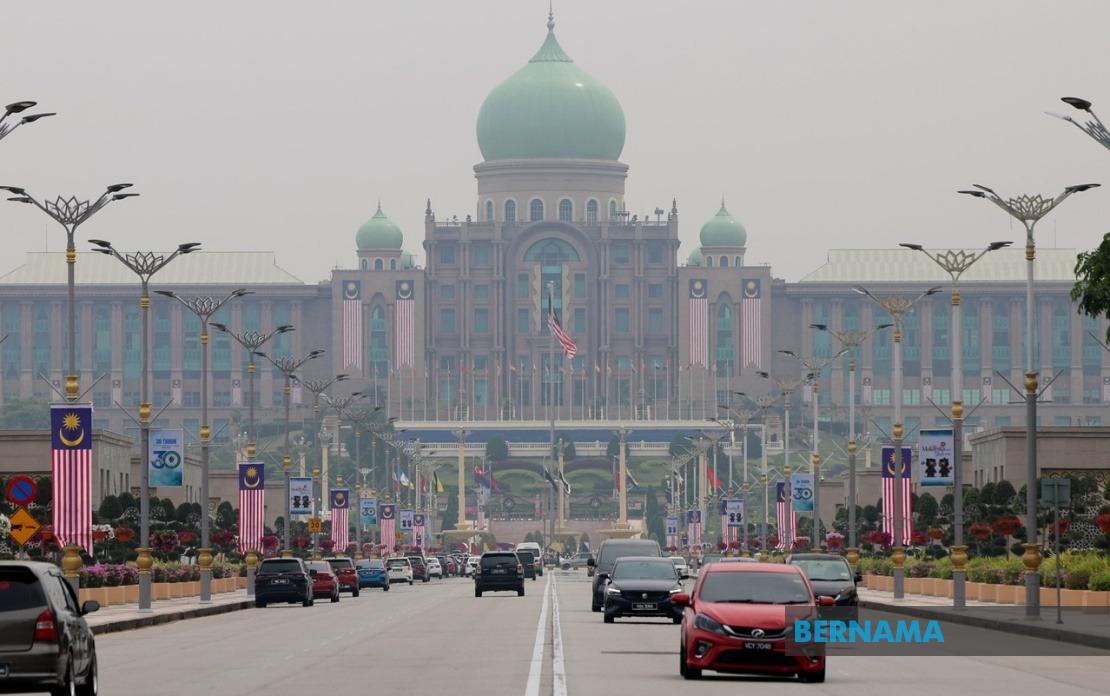
The Malaysian Meteorological Department has issued a warning of deteriorating air quality across multiple regions through the end of August, with several districts potentially reaching hazardous pollution levels that could disrupt the country's major celebrations. The forecast, released by MetMalaysia director-general Dr Mohd Hisham Mohd Anip, indicates that transboundary haze from ongoing fires in southern Sumatra and western Kalimantan will continue to impact Malaysian airspace through Aug 31, driven by prevailing southwest monsoon winds that facilitate smoke transport across the region.
Sarawak faces the most severe risk, with the Malaysian Community Multiscale Air Quality Model predicting that most districts will experience hazy weather at the Unhealthy level, with several areas potentially deteriorating to Very Unhealthy status on Aug 30 and 31. This represents a significant concern for the state, which has experienced episodic transboundary haze events in recent years that have disrupted economic activity and affected public health. The concentration of hotspots in the Indonesian territories creates a persistent source of emissions that models suggest will persist through the assessment period, barring significant weather system changes.
Beyond Sarawak, Sabah is expected to experience haze beginning this Saturday, with high concentrations potentially extending into the following week. The western corridor of Peninsular Malaysia, encompassing the major economic and political centres of Johor, Melaka, Negeri Sembilan, Selangor, Kuala Lumpur and Putrajaya, faces elevated haze risks persisting until month's end. This geographical spread underscores the transnational nature of air quality challenges in Southeast Asia, where meteorological systems operate without regard for borders and vulnerable populations across multiple jurisdictions face simultaneous exposure.
The timing of this forecast creates a scheduling dilemma for the government, as Aug 31 marks Malaysia's independence day, with major public celebrations traditionally held in the capital. Communications Minister Datuk Seri Fahmi Fadzil publicly acknowledged that authorities are evaluating whether to reduce the scale of festivities or relocate events to alternative venues with potentially better air quality conditions. Such decisions involve complex trade-offs between public health protection, ceremonial importance and the mobilisation of substantial government resources already committed to the observance.
Prime Minister Datuk Seri Anwar Ibrahim has called upon Malaysians to maintain hope regarding air quality stabilisation, noting that preparations for both National Day and Malaysia Day on Sept 16 are proceeding across government departments. His remarks underscore the political sensitivity surrounding environmental challenges that could affect major national events, while implicitly acknowledging the limitations of forecasting in rapidly changing atmospheric systems. The prime ministerial intervention signals executive-level attention to a problem that meteorologists note remains subject to real-time weather pattern variations.
MetMalaysia's continuous monitoring approach represents the standard protocol for transboundary haze assessment, with the department stating its intention to refine forecasts as updated atmospheric data becomes available. The reliance on real-time modelling reflects both the inherent uncertainty in air quality prediction and the department's responsiveness to evolving conditions. However, the persistence of hotspots in Indonesian territories suggests that incremental improvements rather than complete resolution remain the realistic baseline expectation through the end of August.
The pattern of haze episodes linked to dry season burning in neighbouring countries has become an annual concern for Malaysian public health and environmental authorities. The southwest monsoon period, which typically runs from May to September, coincides with the burning season in Sumatra and Kalimantan, creating a predictable window of transboundary air pollution risk. Malaysia's geographical position relative to prevailing wind patterns positions the peninsula and Borneo territories as receptor zones for emissions originating thousands of kilometres away, creating a vulnerability to external environmental management decisions beyond national control.
Citizens and businesses in affected areas face potential disruption to outdoor activities, while vulnerable populations including children, elderly residents and those with respiratory conditions require heightened precaution. The haze typically reduces visibility significantly and increases concentrations of fine particulate matter that penetrate deep into the respiratory system. Previous episodes have necessitated school closures, industrial production adjustments and health system preparation for respiratory complaints.
The divergence between ceremonial obligations and public health imperatives presents policymakers with a genuine governance challenge. Postponing or relocating National Day celebrations carries administrative and symbolic costs, yet proceeding under hazardous air conditions creates liability and health risks. The government's openness to reconsidering traditional arrangements suggests recognition that climate and transnational environmental challenges increasingly demand administrative flexibility and contingency planning alongside conventional ceremonial protocols. This adaptation reflects broader Southeast Asian governmental experience with recurring transboundary haze events that have prompted development of regional monitoring frameworks and diplomatic coordination mechanisms, though underlying drivers of fire use in neighbouring territories remain substantially unaddressed.

