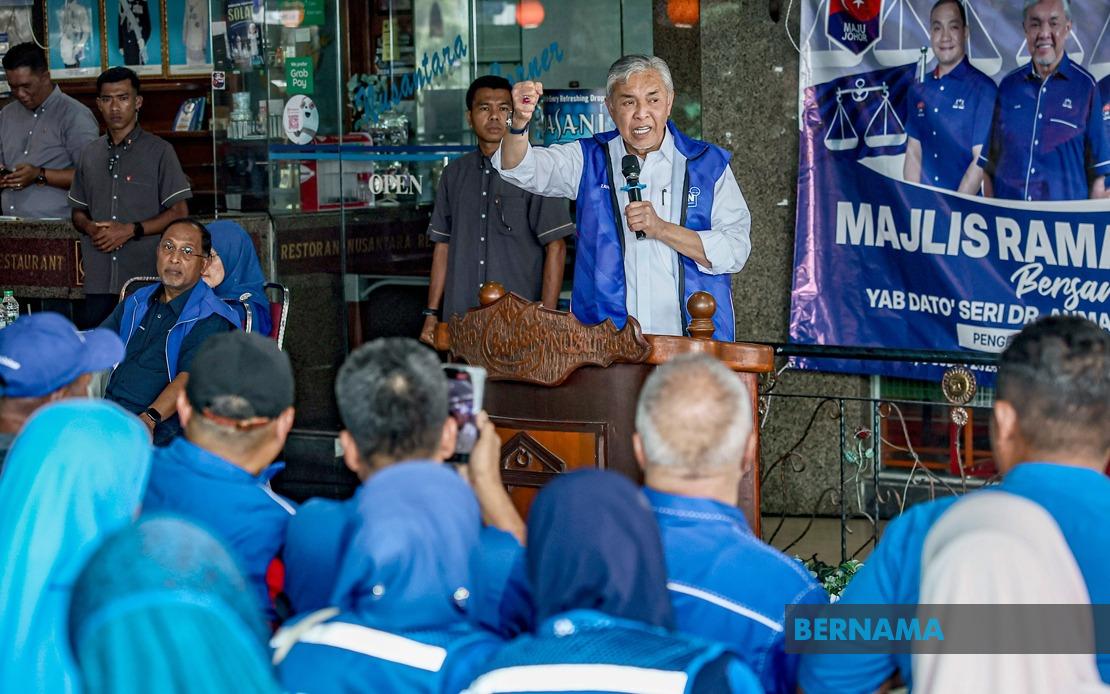
The Malaysian government has given the green light to establish 24 additional Tok Batin positions throughout Orang Asli settlements across the country, a move designed to bolster indigenous community leadership and ensure government development initiatives reach villagers more efficiently. The Cabinet decision, announced by Deputy Prime Minister Datuk Seri Dr Ahmad Zahid Hamidi during a community engagement programme in Endau, Pahang, reflects the administration's commitment to improving grassroots administration among the country's indigenous population. Ahmad Zahid, who doubles as Rural and Regional Development Minister, revealed the approval emerged from yesterday's Cabinet session and marks another step in the government's broader strategy to strengthen institutional capacity within Orang Asli territories.
The role of Tok Batin carries significant cultural and administrative weight within Orang Asli society. These customary village heads function as the primary liaison between their communities and government agencies, translating grassroots concerns into actionable policy feedback whilst ensuring that development schemes are tailored to local needs and circumstances. By expanding the number of officially recognized Tok Batin positions, the government aims to bridge communication gaps that have historically hampered the delivery of public services to remote indigenous settlements. The appointment process acknowledges existing customary practices whilst institutionalizing these leadership positions within Malaysia's formal administrative framework, creating clearer accountability structures and resource allocation pathways.
The Endau region in Pahang serves as a focal point for these initiatives, with the Department of Orang Asli Development (JAKOA) working alongside state authorities to formalize village status. Recently gazetted settlements including Tanjung Tuan, Tanah Abang, Peta and Labong have received official recognition as Orang Asli villages, a prerequisite for accessing dedicated government support and infrastructure funding. Ahmad Zahid indicated that several additional villages in the area are progressing through the gazetting process, pending final state government approval. This bureaucratic machinery, while sometimes cumbersome, establishes the legal foundation necessary for channeling resources and ensuring communities qualify for development programmes.
Parallel to the administrative restructuring, the government is simultaneously rolling out tangible infrastructure investments across Orang Asli territories. Four new schools are under construction, alongside community halls, road networks, and comprehensive utilities including clean water supply systems, electrical connections and telecommunications infrastructure. These investments represent a significant commitment to narrowing the development gap between indigenous settlements and more urbanized areas. The simultaneous push on both governance and infrastructure suggests policymakers recognize that effective local leadership alone cannot overcome decades of underinvestment; sustained capital expenditure remains essential to improving living standards.
The expansion of Tok Batin positions reflects broader Southeast Asian trends in indigenous governance. Across the region, governments increasingly recognize that development programmes implemented without robust local buy-in and leadership often underperform or face community resistance. By formalizing indigenous leadership structures, Malaysia joins countries like Indonesia and the Philippines in attempting to merge customary governance with state administration. However, success depends critically on whether Tok Batin positions come with adequate training, resources and genuine decision-making authority, or whether they remain largely ceremonial roles without substantive influence over resource allocation.
For Malaysia specifically, the Orang Asli population has long faced systemic marginalization, with access to quality education, healthcare and economic opportunities significantly lagging national averages. These communities, numbering over 200,000 individuals spread across peninsular Malaysia, occupy economically disadvantaged positions and have limited political representation. The new Tok Batin positions offer a potential corrective mechanism, enabling indigenous leaders to aggregate community demands and engage government agencies from a position of greater legitimacy and organizational clarity. Whether this translates into meaningful improvements depends on implementation quality and the willingness of state and federal agencies to treat Tok Batin input as authoritative rather than advisory.
The Ministry of Rural and Regional Development, under Ahmad Zahid's stewardship, has positioned itself as the primary driver of Orang Asli development policy. This ministerial focus, combined with JAKOA's operational role, provides institutional vehicles for coordinating initiatives across multiple policy areas. However, the involvement of state governments in gazetting processes and infrastructure delivery introduces additional layers of bureaucracy that can slow implementation. In Pahang and other states with substantial indigenous populations, coordination challenges between federal and state authorities occasionally result in duplicative efforts or resource gaps. The new Tok Batin structure could theoretically ameliorate these coordination problems by creating more responsive local intermediaries.
The timing of these announcements, made during community engagement activities, suggests political dimensions beyond administrative efficiency. Rural and regional development invariably carries electoral implications, as indigenous communities remain swing constituencies in several parliamentary constituencies. Visible infrastructure projects and leadership recognition generate political goodwill and demonstrate government attentiveness to indigenous concerns. This political calculus, while not inherently problematic, means that the sustainability of these initiatives extends beyond technical competence to encompass broader political conditions and the electoral fortunes of the coalition government.
Looking forward, the success of this 24-position expansion will depend on several critical factors. Adequate training and capacity-building for newly appointed Tok Batin remains essential to prevent these positions from becoming hollow titles. Resource allocation mechanisms must favour communities with formal Tok Batin representation, creating tangible incentives for the gazetting process. Additionally, government agencies must demonstrate genuine receptiveness to Tok Batin input, institutionalizing consultation mechanisms that give these leaders meaningful influence over decisions affecting their villages. The infrastructure investments announced alongside the administrative restructuring signal serious commitment, yet sustained funding and political will across electoral cycles remain uncertain. For Malaysian readers following indigenous affairs, these developments merit careful monitoring to assess whether institutional innovation and infrastructure spending produce substantive improvements in Orang Asli living standards and political voice.

