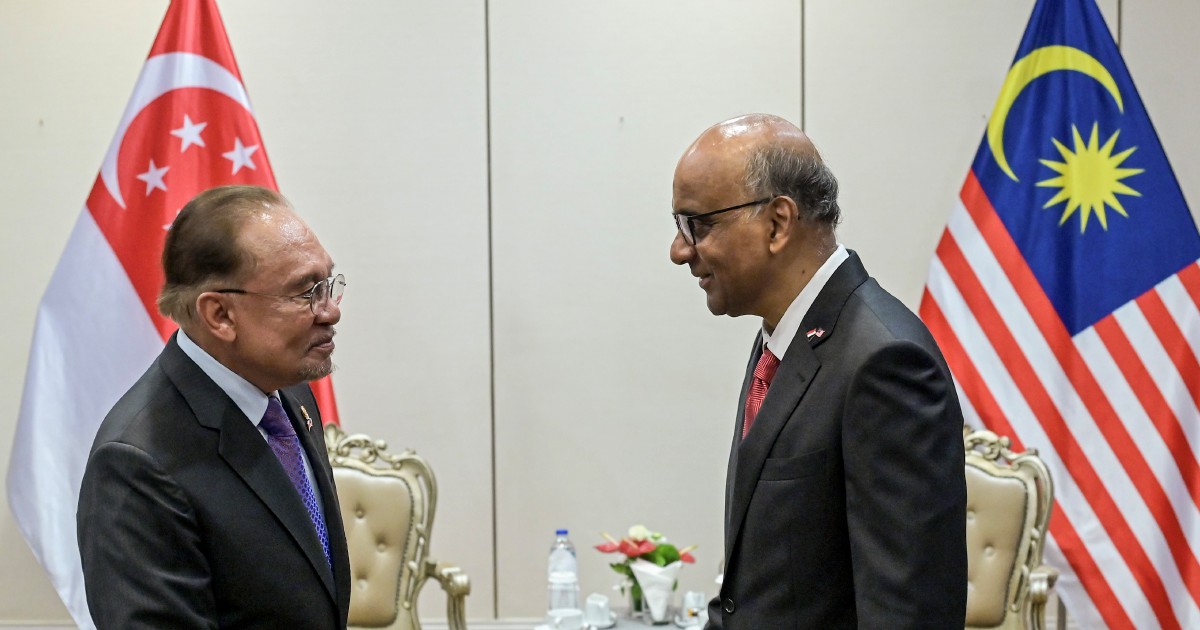
Malaysia and Singapore are approaching a critical juncture in one of the region's most ambitious cross-border development projects, with both governments preparing to complete the master plan for the Johor-Singapore Special Economic Zone within the foreseeable future. Prime Minister Datuk Seri Anwar Ibrahim's announcement indicates that after months of intensive negotiations and technical discussions, the two nations are converging on a shared blueprint that will shape the physical, regulatory, and economic architecture of this unprecedented special zone spanning the southern tip of Johor and Singapore's northern precincts.
The JS-SEZ represents far more than a conventional bilateral trade agreement or industrial park arrangement. This initiative emerged from the recognition that economic geography and political borders need not be synonymous, particularly where complementary economies and shared prosperity incentives exist. Malaysia brings land availability, lower labour costs, and growing manufacturing capacity; Singapore contributes financial services expertise, global supply chain integration, and advanced technology infrastructure. The master plan being finalised will determine how these asymmetrical advantages can be woven together into a coherent economic entity.
The strategic importance of finalising this blueprint cannot be overstated for Malaysia's economic trajectory. As the country grapples with the need to diversify beyond traditional sectors and position itself amid global supply chain realignments, the JS-SEZ offers a mechanism to attract high-value manufacturing, digital economy companies, and financial service firms that might otherwise bypass the region. For Johor specifically, the zone promises transformation of the Iskandar Malaysia development concept into something more dynamically integrated with regional trade flows, potentially generating thousands of jobs across multiple skill levels and attracting both local and international talent.
Singapore's perspective on finalising the master plan reflects its own strategic priorities. The city-state faces acute land constraints and demographic pressures that limit expansion of manufacturing and certain service sectors within its boundaries. The JS-SEZ provides relief from these constraints without requiring Singapore to compromise the regulatory standards and quality of governance that underpins its competitive advantage. Access to Johor's hinterland effectively extends Singapore's economic frontier without formal territorial expansion, addressing long-term sustainability concerns that have shaped Singaporean policymaking for decades.
The technical content of the master plan being finalised will address numerous complex issues that have historically complicated cross-border economic zones. These include dispute resolution mechanisms, labour mobility protocols, regulatory alignment without sovereignty compromise, customs and tariff arrangements, infrastructure specifications, and environmental standards. The negotiations have required both governments to move beyond conventional frameworks, as neither Malaysia nor Singapore wanted to simply replicate existing models from other regions that might not suit their specific contexts. The emerging blueprint reportedly incorporates innovative elements designed specifically for the geographical and political realities of the Johor-Singapore relationship.
Infrastructure coordination represents a particularly intricate dimension of the finalisation process. Physical connectivity between Johor and Singapore requires careful planning of transport nodes, utilities, and digital infrastructure that seamlessly span the border while respecting the security and sovereignty concerns of both nations. The master plan being completed addresses how the second Malaysia-Singapore bridge, causeway improvements, and cross-border rail connections will integrate with zone-specific infrastructure requirements. These connectivity investments will generate economic spillovers well beyond the formal zone boundaries, potentially revitalising several districts in central Johor.
The investment implications of finalising the JS-SEZ master plan extend far beyond the immediate region. International investors monitoring Southeast Asian infrastructure developments have watched this project closely, viewing it as a bellwether for regional integration capacity. The successful completion and implementation of the blueprint could accelerate investor confidence in cross-border projects elsewhere in ASEAN, potentially unlocking billions in development capital. Conversely, setbacks or delays have historically prompted investors to reallocate funds toward alternative jurisdictions perceived as having lower execution risk.
Domestically, the finalisation timeline carries political significance for Malaysia. The JS-SEZ represents one of the Anwar Ibrahim administration's flagship regional economic initiatives, embodying its vision of pragmatic engagement with neighbours and modernisation of Malaysia's economic structure. Completing the master plan demonstrates government capability to execute complex, multi-stakeholder projects despite Malaysia's contentious domestic political environment. For the broader business community, finalisation signals that regulatory clarity on zone operations will soon become available, allowing companies to make informed investment decisions rather than maintaining holding patterns.
The labour market dimensions being addressed in the finalised master plan will influence how the JS-SEZ affects employment patterns across Johor. Agreements on cross-border worker movements, skill recognition protocols, and wage setting mechanisms will determine whether the zone primarily benefits existing Johor residents through local job creation or relies heavily on imported talent. These provisions have proven contentious in earlier negotiations, reflecting anxieties in both countries about employment competition and wage pressures.
Timing the master plan completion during this particular phase of global economic uncertainty adds urgency to the Malaysian and Singaporean efforts. Supply chain disruptions, rising protectionism, and shifting manufacturing geographies create both challenges and opportunities for the JS-SEZ concept. A finalised blueprint allows both governments to credibly market the zone to multinational corporations actively seeking alternative production bases. The sooner investors can access detailed operational frameworks, the quicker the zone can begin capturing displaced manufacturing and services relocation flows.
Implementation of the finalised master plan will then enter a new phase, requiring allocation of capital, recruitment of skilled administration staff, and establishment of the necessary institutional machinery. Both governments have signalled commitment to reasonably expedited deployment, though actual timelines will depend on funding availability, land acquisition processes, and infrastructure construction schedules. The announcement by Datuk Seri Anwar Ibrahim should therefore be read not as a project endpoint but rather as transition point toward a more concrete realisation phase that will occupy the following years.

