Malaysia and the Philippines have committed to expediting the repatriation of more than 5,000 undocumented Philippine migrants currently detained across four immigration facility centres in Sabah, following high-level bilateral discussions held in Manila. The agreement emerged from the 9th Malaysia-Philippines Joint Commission Meeting, where officials from both nations acknowledged the pressing need to relieve overcrowding at detention facilities that can no longer sustainably accommodate their current populations.
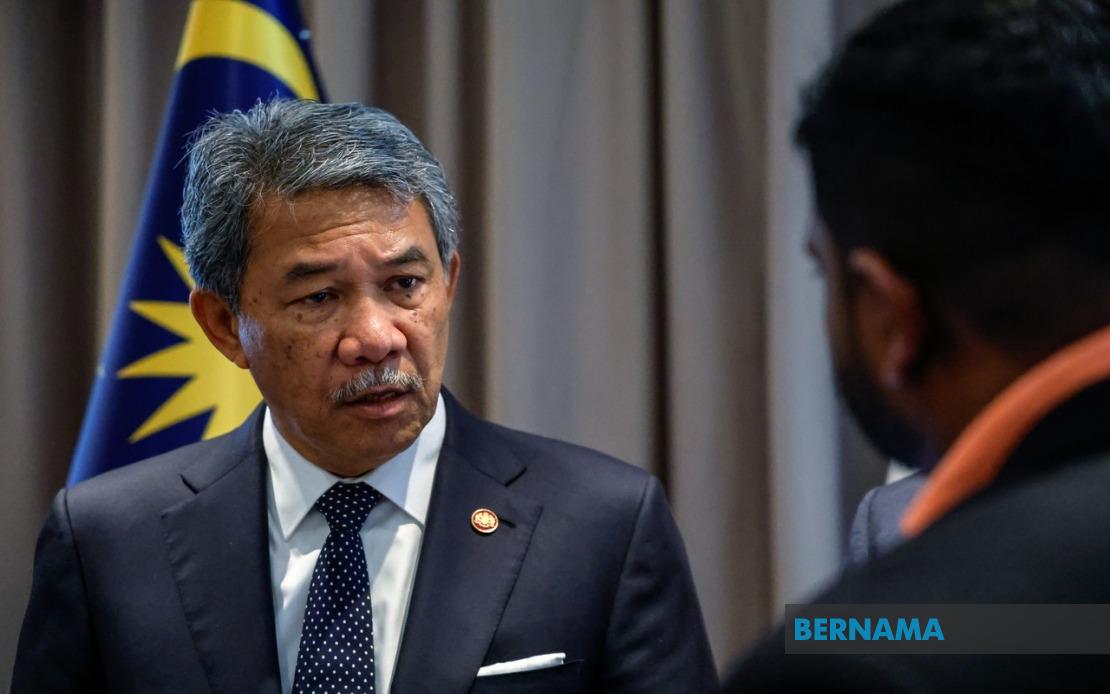
Foreign Minister Datuk Seri Mohamad Hasan revealed that screening efforts by the Philippine Embassy in Kuala Lumpur have already identified over 1,000 individuals who meet the criteria for immediate deportation and are ready to be returned to the Philippines. He emphasised Malaysia's determination to work with its southern neighbour to establish efficient pathways for repatriating these detainees, noting that both sea routes and alternative viable transportation methods remain under consideration as mechanisms to facilitate the process.
The capacity crisis at Sabah's detention centres has become increasingly urgent, with Malaysia pressing the Philippine government to accelerate its removal operations while the screening of remaining detainee batches continues in parallel. Mohamad stressed the importance of swift action, indicating that the current detention infrastructure is at a breaking point and that clearing cases on an expedited timeline benefits both nations' administrative systems and resource allocation. The discussions underscored a shared recognition that prolonged detention increases costs and operational challenges for immigration authorities.
Beyond the immediate repatriation challenge, officials also explored a more nuanced dimension of the irregular migration issue: the plight of undocumented migrants' children residing in Sabah. The two countries agreed to examine ways to provide educational continuity for these youngsters ahead of their families' eventual return to the Philippines. This recognition reflects growing awareness that deportation operations involve vulnerable populations, including minors who have spent formative years in Malaysian communities.
Malaysia has set clear parameters around any educational provision for migrant children, insisting that the Philippine government maintain direct oversight and management of any such initiatives. Mohamad explicitly rejected the prospect of unregulated private schools operating within detention or community settings, viewing such arrangements as inadequately supervised and potentially exploitative. The emphasis on official channels underscores both nations' commitment to safeguarding detainees during what remains a sensitive administrative process.
The bilateral commission meeting also addressed a persistent diplomatic irritant: occasional assertions by Philippine politicians and public figures regarding historical claims over Sabah. Mohamad clarified that this contentious matter was not formally tabled during the JCM proceedings, but he seized the opportunity to reiterate Malaysia's position grounded in international legal precedent. He pointed to United Nations recognition of Sabah as legitimate Malaysian territory, citing a formal UN commission report endorsed by the Secretary-General as the definitive authority on the territory's status.
This diplomatic posturing follows recent statements by Philippine Senator Robin Padilla, who called on President Ferdinand Marcos Jr to revive Manila's long-dormant territorial claim over the Malaysian state. Malaysia's measured but firm response, signalled through both Mohamad's public comments and the indicated intention to lodge a formal diplomatic note, reflects Kuala Lumpur's determination to prevent the Sabah issue from destabilising bilateral cooperation. Officials stressed that such claims contradict established international law and global consensus, seeking to confine the matter to historical archives rather than contemporary geopolitical negotiation.
The commission meeting itself was co-chaired by Mohamad alongside Philippine Secretary of Foreign Affairs Ma. Theresa P. Lazaro, indicating that both capitals treated the migration crisis and broader bilateral relations as issues meriting senior-level attention. The presence of high-ranking officials underscores the interconnected nature of these concerns: managing irregular migration flows effectively requires sustained cooperation across multiple government agencies and ministries in each country.
For Malaysia, the detention challenge in Sabah has become emblematic of broader regional migration pressures. The state has long served as a primary entry point for undocumented workers from the Philippines and other Southeast Asian nations, creating perpetual administrative burdens for immigration authorities. The concentration of 5,000 detainees across four facilities strains resources and raises humanitarian concerns, making this issue one of sustained practical importance rather than mere bilateral theatre.
The repatriation initiative also carries implications for Malaysia's immigration enforcement credibility. Successful clearing of backlogs and timely returns signal an efficient system, whereas prolonged detention without resolution invites criticism from international observers and domestic constituencies concerned about administrative capacity. The Philippines' cooperation is therefore essential, as delays at the receiving end directly impede Malaysia's ability to process subsequent cases and maintain orderly detention operations.
From a Southeast Asian perspective, the Malaysia-Philippines arrangement illustrates how sustained dialogue and pragmatic problem-solving can address migration challenges that transcend borders. Unlike adversarial approaches that weaponise such issues, the bilateral commission mechanism enables officials to negotiate mutually beneficial timelines and procedures. The agreement to explore educational provisions for migrant children also hints at evolving regional sensibilities regarding the humanitarian dimensions of deportation, moving beyond mere administrative expedience.
Moving forward, the success of this repatriation initiative will depend on the Philippines' capacity to absorb and integrate returning nationals efficiently. Malaysia's commitment to accelerated screening and clearance procedures provides the Philippine government with a clear timeline and manageable batches of returnees, potentially easing reintegration efforts. Both nations appear aligned on the objective of clearing Sabah's detention centres within a reasonable timeframe while maintaining orderly procedures and addressing ancillary concerns such as migrant children's welfare.

