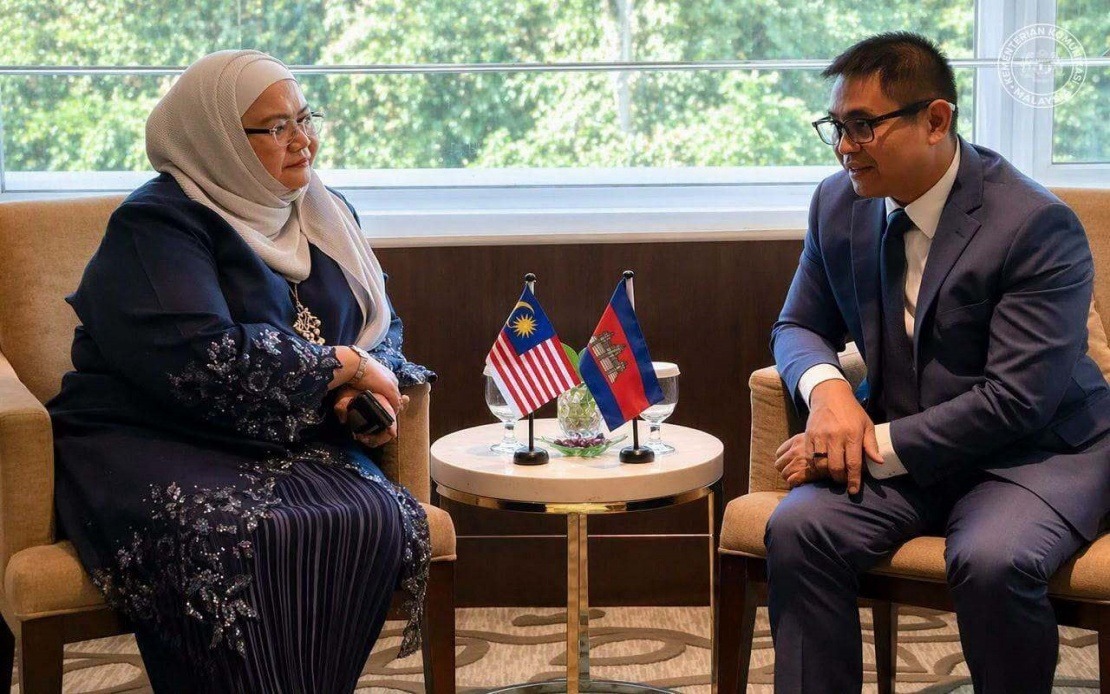
Malaysia and Cambodia have initiated concrete steps to operationalise a freshly signed agreement aimed at strengthening their partnership in the information and media sectors. A bilateral meeting between the two nations took place on the sidelines of the 23rd ASEAN Senior Officials Responsible for Information gathering in Bandar Seri Begawan, Brunei, where delegates discussed how to translate the Memorandum of Understanding on Information and Media Development Cooperation into tangible initiatives that will benefit both countries' media industries.
The Malaysian delegation was led by Datuk Bahria Mohd Tamil, Deputy Secretary-General for Strategic Communications and Creative Industry at the Communications Ministry, while Cambodia was represented by Prak Thaveak Amida, Secretary of State at the Ministry of Information. This high-level participation underscores the significance both governments attach to the arrangement, which was formally inked on June 20 following celebrations marking HAWANA 2026, the Malaysian journalists' observance that took place in Penang.
During their discussions, the two delegations explored multiple dimensions of potential collaboration, ranging from traditional information exchange to contemporary digital transformation challenges. The dialogue reflected growing recognition across Southeast Asia that media sectors must adapt to rapid technological change while simultaneously protecting information integrity against deliberate distortion and falsehoods. For Malaysia, this cooperation presents an opportunity to share expertise developed through its own experience navigating the digital media landscape, while Cambodia brings perspectives shaped by its unique media environment and development priorities.
The emphasis on information integrity marks a particularly timely focus, given regional concerns about misinformation and disinformation circulating across borders via social media platforms. Both nations face similar pressures to maintain public trust in official communications while fostering a robust media ecosystem that serves democratic discourse. By pooling resources and best practices, Malaysia and Cambodia can develop more effective strategies for verifying information and helping citizens distinguish reliable reporting from false narratives.
Digital transformation emerged as another key pillar in the bilateral conversation, reflecting the reality that Southeast Asian media organisations increasingly depend on online platforms rather than traditional print and broadcast channels. Malaysia's advanced digital infrastructure and Cambodia's developing ecosystem create complementary opportunities for knowledge transfer and collaborative innovation. Training programmes, joint research initiatives, and technical capacity-building could help Cambodian media organisations modernise their operations while Malaysia gains insight into challenges facing less digitally mature markets.
The MoU itself was signed ad referendum by Communications Minister Datuk Fahmi Fadzil and Prak Thaveak Amida, acting on behalf of Cambodian Information Minister Neth Pheaktra. This procedural approach, common in international diplomacy when a minister cannot attend in person, nonetheless signals formal commitment from both governments' highest communications authorities. The agreement thus carries weight beyond mere bureaucratic protocol, representing a policy direction endorsed at ministerial level.
The timing of this cooperation framework assumes additional significance within the broader ASEAN context. The 23rd SOMRI meeting where the bilateral discussion occurred brings together senior information officials from across the ten-member regional bloc, creating opportunities for both Malaysia and Cambodia to coordinate their positions on regional information governance matters. As ASEAN grapples with questions about media freedom, misinformation, and the role of state communications in an increasingly digitised region, bilateral partnerships like this one establish foundations for more cohesive regional responses.
For Malaysia specifically, deepening ties with Cambodia aligns with longstanding diplomatic priorities emphasising enhanced connectivity and cooperation throughout mainland Southeast Asia. Cambodia represents a significant market and strategic partner in the Mekong subregion, and strengthening institutional linkages in the communications sector complements broader economic and political engagement. The emphasis on friendship between the two countries, explicitly mentioned in ministry statements, reflects how media cooperation serves not merely functional purposes but also relationship-building at the societal level.
The practical implementation of this MoU will likely involve establishing working groups, scheduling regular consultation meetings, and identifying specific projects where both nations can collaborate. Previous bilateral media agreements in the region have produced outcomes ranging from journalist exchange programmes to joint news production initiatives and capacity-building workshops. Malaysia and Cambodia may pursue similar concrete activities that move beyond symbolic commitment to measurable cooperation.
Cambodian media development presents particular relevance for regional media professionals studying how emerging democracies and transitional societies manage information governance. Malaysia's experience with balancing media freedom against national security concerns, and its regulatory frameworks governing broadcasting and digital content, offer instructive lessons. Conversely, Cambodia's experience navigating media challenges in a post-conflict environment contributes perspectives valuable for Malaysia's policymakers.
The bilateral arrangement also positions both countries advantageously within the broader context of international media cooperation frameworks. As traditional Western media influence patterns shift and Asian nations assert greater agency in shaping information flows and standards, Malaysia-Cambodia collaboration exemplifies how Southeast Asian countries are building autonomous capacity in communications infrastructure and professional standards. This cooperation can strengthen the region's voice in global conversations about media ethics, fact-checking standards, and the governance of digital platforms.
Moving forward, the success of this MoU will depend on sustained commitment from both governments and active participation from media industry stakeholders, journalists' associations, and educational institutions. The framework provides the institutional architecture, but genuine cooperation requires engagement from practitioners and implementers throughout the media ecosystem. Malaysian and Cambodian media professionals stand to benefit most directly from opportunities for knowledge exchange, collaborative reporting on regional issues, and mutual exposure to different journalistic traditions and ethical approaches.

