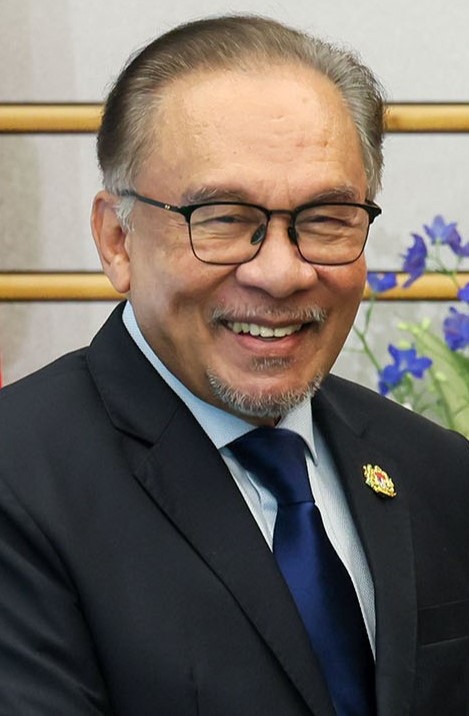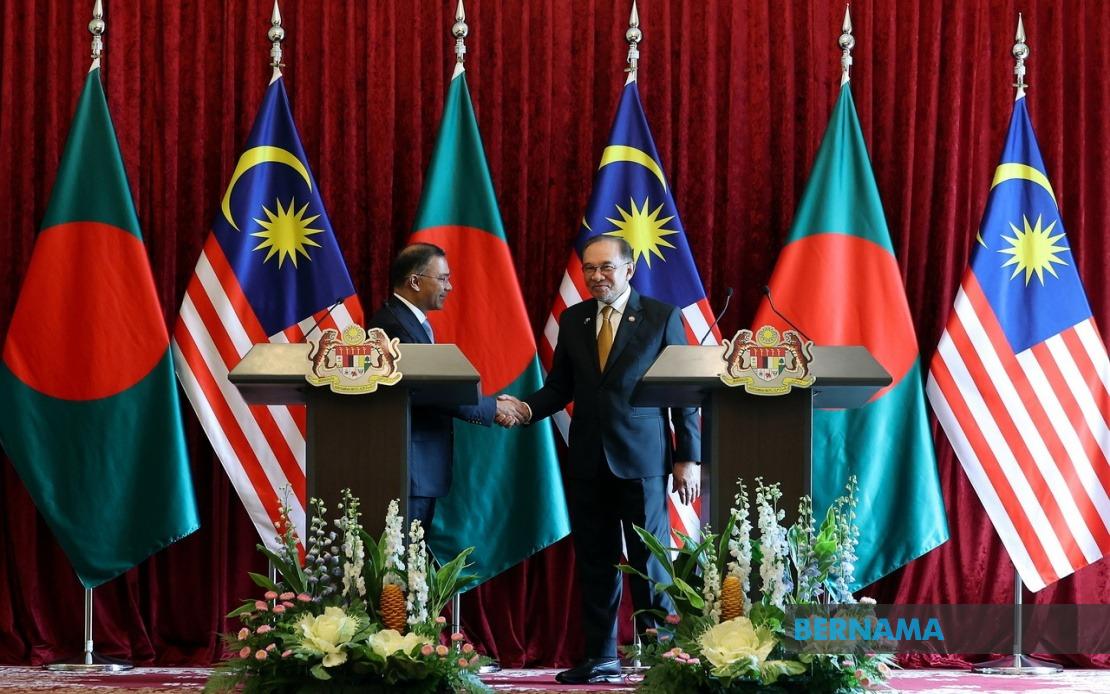
Prime Minister Datuk Seri Anwar Ibrahim and Bangladesh Prime Minister Tarique Rahman have jointly committed to eliminating the exploitation and mistreatment of migrant workers, signalling a renewed regional focus on labour standards following years of documented abuses. The two leaders made their statement during a bilateral meeting in Putrajaya on June 22, addressing longstanding concerns about the treatment of foreign workers in Malaysia's labour-intensive sectors, from manufacturing to domestic work.
Anwar acknowledged that while migrant workers remain indispensable to Malaysia's continued economic expansion, both nations must implement rigorous oversight mechanisms to prevent recurring scandals. Speaking at a joint press conference, the Prime Minister noted that the cooperation between the two countries on human resources had become essential to economic survival, yet simultaneously had generated substantial controversy centred on humanitarian concerns. This candid framing recognises an uncomfortable paradox that Malaysia and other Southeast Asian nations face: dependence on foreign labour paired with systemic vulnerabilities that enable exploitation.
The Malaysian leader emphasised the necessity for recruitment procedures that operate with significantly greater transparency and accountability, meeting the regulatory standards demanded by both governments. Anwar stressed that Malaysia and Bangladesh must jointly lead efforts to curtail malpractices within the recruitment ecosystem, where undocumented fee extraction, false job promises, and document confiscation remain endemic problems. His commitment to protecting workers and safeguarding their families reflects growing international pressure on Malaysia to address labour trafficking concerns and improve oversight of employment practices.
Tarique raised Bangladesh's interest in expanding its worker contingent within Malaysia, requesting that Kuala Lumpur consider reopening and enlarging its labour recruitment channels at the earliest opportunity. Bangladesh hosts one of the world's largest labour export industries, with millions of citizens working abroad and remitting billions of dollars annually. The country views Malaysia as a strategically important employment destination, though recent restrictions imposed by Bangladesh itself and tightened Malaysian vetting procedures have constrained bilateral recruitment flows in recent years.
This diplomatic engagement reflects shifting regional dynamics surrounding migrant labour governance. Malaysia has historically grappled with accusations that it inadequately polices recruitment agents and employers who exploit foreign workers through wage theft, unsafe conditions, and contract violations. While Malaysia has strengthened labour inspection capacity and introduced new penalties for offenders, enforcement remains inconsistent across industries and states. For Bangladesh, which depends heavily on remittances from overseas workers, any Malaysian decision to restrict or expand recruitment directly affects millions of households.
The agreement also carries implications for other origin countries competing for positions in Malaysia's labour market. Thailand, Indonesia, Myanmar, and the Philippines similarly rely on Malaysian employment opportunities, and any bilateral framework established between Malaysia and Bangladesh could establish precedents for how recruitment transparency and worker protection standards are implemented regionally. A credible commitment to fair practices may pressure Malaysia to apply consistent standards across all migrant worker populations.
Indonesia and the Philippines have previously suspended labour exports to Malaysia temporarily following high-profile abuse cases, demonstrating how source countries leverage labour supply restrictions to demand accountability. Bangladesh has similarly restricted deployments during periods of serious concern, though the scale of its worker populations abroad provides it with particular leverage. Any meaningful agreement between these two nations could serve as a model for addressing systemic vulnerabilities in recruitment, contractual clarity, and dispute resolution mechanisms.
The joint commitment also responds to mounting attention from international labour organisations and human rights bodies regarding Malaysia's treatment of foreign workers. The International Labour Organization, United Nations agencies, and regional advocacy networks have documented patterns of contract substitution, unlawful fee deductions, workplace accidents, and inadequate housing conditions affecting migrant communities. Malaysian civil society organisations and unions have equally raised alarms about undocumented workers' vulnerability to coercion and wage exploitation, particularly during economic downturns when enforcement oversight weakens.
For Malaysian employers and recruitment firms, the announcement signals that both governments intend heightened regulatory vigilance and potential penalties for non-compliance. Industries reliant on migrant labour—including construction, hospitality, agriculture, and domestic work—face pressure to adopt compliant hiring practices and transparent employment contracting. Compliance costs may increase marginally, though proponents argue that formalised, transparent recruitment ultimately reduces operational risks and improves worker retention and productivity.
The challenge lies in translating diplomatic rhetoric into sustained institutional change. Previous bilateral agreements on labour cooperation have achieved limited results where enforcement mechanisms remained weak or incentives for compliance insufficient. Effective implementation requires dedicated resources for labour inspectorates, worker complaint mechanisms with genuine investigative authority, employer sanctions with meaningful financial consequences, and regular audits of compliance. Both governments must also address root causes—inadequate wages that encourage exploitation, informal employment sectors lacking regulatory oversight, and recruitment industry structures that fragment accountability.
Bangladesh's request for expanded recruitment opportunities suggests optimism about Malaysia's commitment to reform, yet also reflects pragmatic recognition that economic pressures in Bangladesh make overseas employment essential for millions. Malaysia's demographic challenges and labour shortages in lower-skilled sectors create ongoing demand for foreign workers regardless of bilateral governance frameworks. The tension between labour market needs and protection standards will persist, making genuine transparency and enforcement mechanisms the critical test of this agreement's viability.
Both nations now face the task of translating their joint pledge into concrete legislative amendments, institutional reforms, and monitoring protocols. Establishing bilateral oversight bodies, standardising contract templates, creating fast-track dispute resolution channels, and implementing predictable penalties for trafficking and exploitation represent realistic next steps. Without sustained political will and adequate funding, the commitment risks becoming another diplomatic statement without transformative impact on the ground.