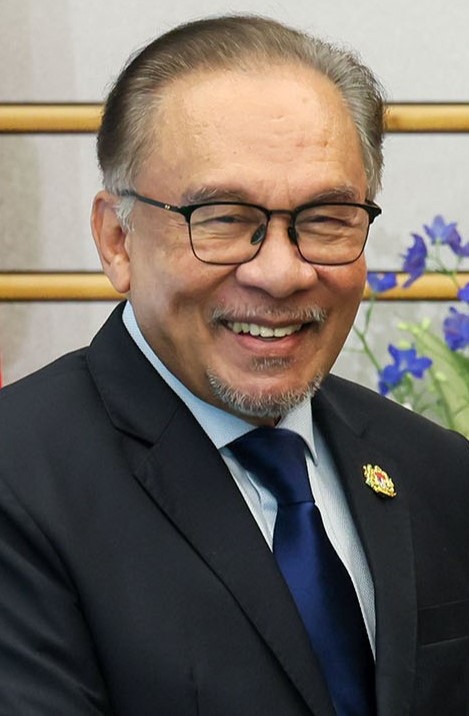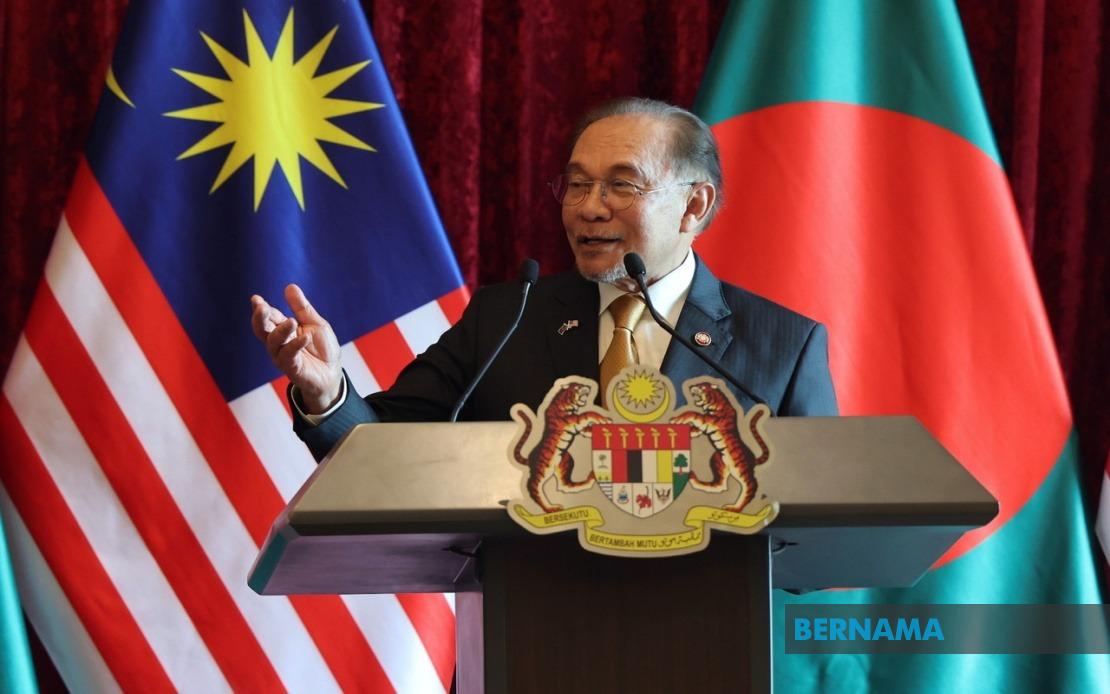
Prime Minister Datuk Seri Anwar Ibrahim and visiting Bangladesh Prime Minister Tarique Rahman have committed to breathing new life into stalled institutional frameworks that underpin their countries' relationship. During Rahman's two-day official visit to Putrajaya, both leaders signalled their determination to restart the Joint Commission Meeting and Bilateral Consultations, mechanisms that have been inactive for some time. The pair issued a joint statement emphasising that resuming these formal channels represents a priority, with both sides pledging to convene meetings at the earliest feasible opportunity.
The diplomatic move reflects broader efforts to deepen Malaysia-Bangladesh engagement across multiple domains. Regular dialogue and high-level exchanges have already proven instrumental in strengthening coordination on shared concerns, with labour cooperation emerging as a particularly significant area. Bangladesh maintains a substantial expatriate workforce in Malaysia, and the two governments recognise that structured communication serves the interests of millions of citizens who depend on cross-border economic ties. The decision to formalise these institutional pathways signals recognition that ad-hoc arrangements have limitations when managing complex bilateral relationships involving diverse stakeholder interests.
Central to the discussions was acknowledgement of the deep people-to-people connections binding the two nations. Malaysian officials explicitly welcomed the contributions Bangladeshi workers make to the country's economic development, framing the expatriate community not merely as a labour supply but as active participants in fostering cultural and commercial exchanges. This framing carries significance in Malaysia's domestic context, where public discourse around foreign workers often becomes politicised. By officially recognising the positive role of Bangladeshi nationals, both governments seek to cultivate a more constructive narrative around migration while managing domestic sensitivities around employment competition and resource allocation.
Bangladesh had proposed an expansion of worker recruitment quotas, a request that reflects strong domestic pressure for overseas employment opportunities. Malaysia's response, however, reflects the cautious stance it has adopted toward foreign labour expansion in recent years. Rather than a blanket approval, Kuala Lumpur indicated that any new quotas would undergo rigorous individual assessment, with decisions contingent upon verified employer needs and compliance with sectoral employment ceilings. This approach allows Malaysia to maintain control over labour inflows whilst appearing responsive to Bangladesh's concerns. The framework essentially preserves government flexibility to calibrate migrant worker numbers according to economic conditions and domestic labour market pressures.
Recognising potential friction points in recruitment practices, both nations reaffirmed mutual commitment to ensuring the hiring process maintains highest standards of transparency and fairness. They specifically emphasised that recruitment must remain non-discriminatory and competitive, with involvement restricted to credible and properly qualified agencies. This language addresses longstanding concerns about exploitation in migrant worker recruitment, where unscrupulous intermediaries have historically charged excessive fees and provided misleading information to job seekers. By embedding such commitments in a joint statement, both governments signal to international observers and civil society groups monitoring labour standards that the bilateral relationship incorporates human rights protections.
A significant practical outcome emerged in the establishment of a Joint Working Group dedicated to migration matters. This forum will shoulder responsibility for evaluating the existing Memorandum of Understanding governing worker movements between the two countries. The current MoU, which has guided recruitment and worker protection protocols, requires updating to reflect changed economic circumstances, evolving labour market demands, and improved understanding of effective protections. The working group's mandate extends beyond mere review; it explicitly tasked with drafting a new, modernised agreement incorporating provisions addressing contemporary challenges in labour migration.
The timing of this diplomatic initiative carries regional resonance. Southeast Asia faces intensifying competition for overseas workers, with multiple countries seeking to attract or restrict migrant populations based on their economic models and demographic circumstances. Malaysia's approach, emphasising structured assessment rather than blanket quotas, positions it as a destination balancing labour market needs against domestic employment concerns. Bangladesh, meanwhile, depends heavily on remittances from overseas workers, making expanded access to labour markets essential for economic stability and poverty reduction. The bilateral mechanisms being revived create a framework within which both nations can negotiate these competing priorities more systematically than through ad-hoc negotiations.
The resumption of formal diplomatic channels also addresses broader strategic considerations in the region. Regular consultations between senior officials provide opportunity to address emerging challenges affecting bilateral relations before they escalate into disputes. Whether concerning maritime boundaries, cultural issues, or trade matters, institutional frameworks facilitate dialogue grounded in established protocols and precedent. For Malaysia, engaging Bangladesh through formalised mechanisms also reflects its commitment to maintaining substantive ties with South Asian neighbours at a time when regional geopolitics remain fluid.
Prime Minister Rahman's visit underscores Bangladesh's interest in deepening Southeast Asian engagement beyond traditional focus on China and India. For Malaysia, the visit represents affirmation of its role as a bridge between South Asia and Southeast Asia, a positioning that carries both strategic and economic implications. By investing in bilateral mechanisms with Bangladesh, Malaysia reinforces its profile as a country capable of managing complex regional relationships and setting standards for ethical labour migration practices within Asia.