%22%2F%3E%3C%2Fpattern%3E%3C%2Fdefs%3E%3Crect%20width%3D%22100%25%22%20height%3D%22100%25%22%20fill%3D%22url(%23ph52iyqg)%22%2F%3E%3Crect%20width%3D%22100%25%22%20height%3D%22100%25%22%20fill%3D%22url(%23ph52iyqp)%22%2F%3E%3Ctext%20x%3D%2250%25%22%20y%3D%2250%25%22%20text-anchor%3D%22middle%22%20dominant-baseline%3D%22central%22%20fill%3D%22rgba(255%2C255%2C255%2C0.95)%22%20font-family%3D%22Georgia%2C%20'Times%20New%20Roman'%2C%20serif%22%20font-weight%3D%22700%22%20font-size%3D%22170%22%20letter-spacing%3D%22-0.02em%22%3EMalaysia%3C%2Ftext%3E%3C%2Fsvg%3E)
Malaysia and Bangladesh have reaffirmed their commitment to addressing the systemic mistreatment and exploitation of migrant workers, signalling a renewed focus on labour standards at a time when Southeast Asia grapples with widespread abuses in its migrant workforce. The bilateral agreement, brokered during high-level talks in Putrajaya on June 22, represents a significant step towards establishing clearer protocols that would protect workers during the recruitment process—historically a flashpoint where vulnerability peaks and predatory practices flourish unchecked.
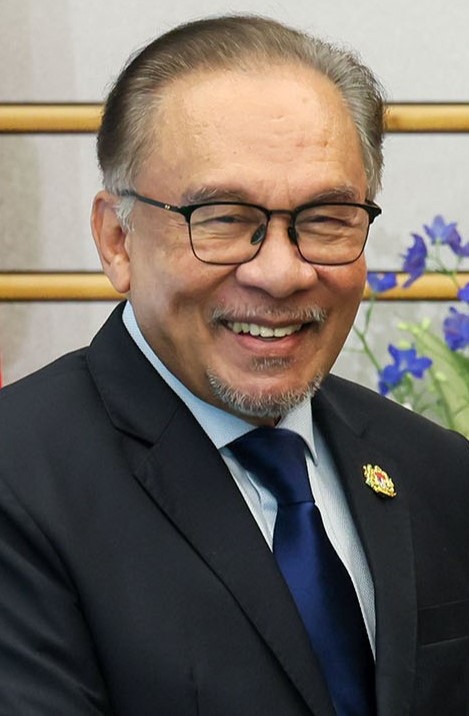
Prime Minister Anwar Ibrahim used the occasion to underscore Malaysia's responsibility towards the welfare of foreign workers, many of whom form the backbone of critical sectors including construction, manufacturing, and domestic services. His emphasis on fair treatment reflects a broader understanding that Malaysia's economic competitiveness and international standing depend partly on demonstrating ethical labour practices. This messaging also carries domestic political significance, as concerns over worker rights have gained traction among civil society groups and opposition voices seeking greater accountability from employers and government agencies alike.
Bangladesh's interim administration, led by Sheikh Hasina Wazed, brought its own pressing agenda to the table: securing expanded employment opportunities for its citizens in Malaysia. Bangladesh remains a leading source of migrant workers to Malaysia, and the demand for more jobs underscores the economic importance of overseas employment for millions of Bangladeshi families who depend on remittances. The dual pressures—both welfare improvements and job creation—illustrate the competing priorities that shape bilateral labour negotiations across the region, where economic necessity often collides with worker protection imperatives.
The crux of both leaders' positions centres on overhauling recruitment mechanisms that have long been marred by opacity, fraud, and predatory practices. Unscrupulous recruitment agents, undisclosed contract terms, and unexpected cost impositions have become entrenched problems affecting workers before they even arrive at their workplace. Malaysia's recruitment industry, though subject to regulations, has frequently fallen short in enforcement, allowing middlemen to extract excessive fees and trap workers in cycles of debt bondage. Bangladesh faces similar challenges on its end, with agents operating with minimal oversight and workers lacking adequate pre-departure training or awareness of their rights.
For Malaysia specifically, reform in recruitment procedures carries immediate practical implications. The country has faced international scrutiny regarding labour trafficking and modern slavery, with multiple reports highlighting vulnerabilities in how workers are sourced and placed. Improving transparency—such as mandating standardised contracts, clear wage information, and verified employer verification—could reduce disputes and legal complications that currently burden both workers and employers. Such measures would also align Malaysia with evolving international labour standards and commitments under various UN conventions on migrant rights.
The agreement also reflects Bangladesh's strategic positioning within Malaysia's broader immigration policy. As a major contributor of skilled and semi-skilled workers, Bangladesh occupies a pivotal role in Malaysia's sectoral labour requirements. Strengthening bilateral cooperation signals that both countries view labour management as a mutual responsibility rather than a one-directional obligation, potentially setting a model for other labour-exporting and labour-importing nations in the region. This collaborative framing helps depoliticise what can otherwise become contentious issues when framed as accusations of worker exploitation.
Within Malaysia's domestic context, this push for fairer recruitment resonates with growing public awareness around labour rights. Civil society organisations, media outlets, and academic institutions have increasingly documented cases of wage theft, unsafe working conditions, and contract violations affecting migrant workers. The government's willingness to address these issues—particularly at the highest diplomatic level—suggests a recognition that ignoring labour standards eventually carries costs in terms of reputation, investor confidence, and social stability. Workers who experience gross mistreatment become vulnerable to radicalisation, crime, or irregular employment, compounding broader challenges.
The emphasis on creating additional job opportunities for Bangladeshi workers also carries implications for Malaysia's economic projections. Sectors facing labour shortages—including agriculture, hospitality, and healthcare—may benefit from expanded recruitment channels, provided proper vetting and training mechanisms are in place. However, this must be balanced against domestic labour concerns, as Malaysian workers in lower-wage sectors sometimes compete with foreign labour. Transparent recruitment processes that ensure migrants fill genuine gaps rather than displacing local workers would help mitigate social tensions around immigration policy.
Implementing these agreements will require concrete steps beyond diplomatic statements. Both governments must establish joint oversight mechanisms, enhance coordination among their respective labour ministries, and create accessible complaint channels for workers encountering problems during recruitment or employment. Technology platforms for verified job listings, digital contract systems, and third-party monitoring could substantially reduce fraud and exploitation. Training programmes for recruitment agents and employers in both countries would also reinforce cultural shifts towards ethical practices.
The Bangladesh-Malaysia labour partnership also sits within a broader regional pattern. Across Southeast Asia, competition for migrant workers has intensified as multiple countries seek to fill labour gaps created by ageing populations and economic growth. Nations that establish strong reputations for fair treatment and worker protection may find themselves better positioned to attract and retain quality workers, creating a virtuous cycle of improved productivity and worker stability. Conversely, countries perceived as unsafe or exploitative face risks of labour shortages as workers and source countries redirect migration flows elsewhere.
Looking ahead, the success of these bilateral initiatives will be measured not merely by policy announcements but by verifiable improvements in workers' lived experiences. Bangladeshi workers in Malaysia should encounter transparent hiring processes, honest wage information, accessible dispute resolution, and genuine protections against contract violations. Similarly, Malaysia's labour market should demonstrate visible progress in prosecution of exploitation cases and implementation of fair recruitment standards. These tangible outcomes would validate the commitment articulated by both leaders and establish a foundation for sustainable, ethical labour migration in the region.