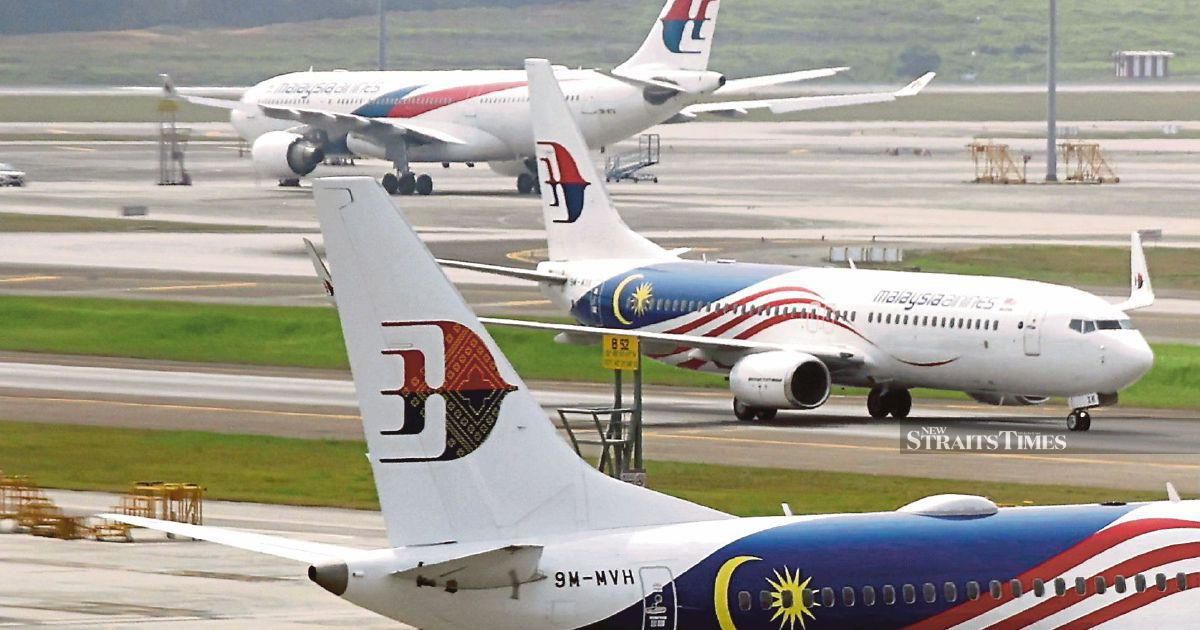
Malaysia Airlines has launched an internal investigation after Indonesian authorities arrested one of its pilots on allegations involving controlled substances, marking a significant moment for Southeast Asia's aviation sector and raising fresh questions about crew screening and drug testing procedures across the region's airlines.
The detention of the airline's personnel represents a serious matter for the national carrier, which has faced considerable scrutiny in recent years surrounding operational safety and security measures. An internal review signals Malaysia Airlines' commitment to examining whether existing protocols are sufficiently robust to identify and prevent such incidents among its workforce. The company has not yet disclosed specific details regarding the nature of the allegations or the circumstances surrounding the arrest, though Indonesian authorities maintain jurisdiction over the case.
Drug-related incidents involving aviation staff remain relatively uncommon across commercial carriers in Southeast Asia, yet they carry substantial reputational and operational risks. Airlines internationally maintain strict substance-abuse policies and typically conduct regular screening of pilots and safety-critical personnel as part of their licensing and employment conditions. The fact that this incident occurred despite such measures suggests either a gap in existing procedures or a situation that evaded conventional detection mechanisms. For Malaysia Airlines, understanding these gaps is crucial to maintaining passenger confidence and regulatory standing.
The detention highlights the interconnected nature of aviation safety across borders. Indonesian authorities' actions underscore the commitment of regional governments to maintaining integrity within the aviation sector, where pilot competence and fitness directly affect passenger safety. Malaysia, as the home nation of Malaysia Airlines, will likely coordinate with Indonesian officials to understand the full circumstances and ensure appropriate legal processes are followed. This cooperation reflects broader regional agreements on aviation safety and criminal justice cooperation.
Industry observers note that such incidents, while infrequent, prompt airlines throughout Asia-Pacific to review their pre-employment, periodic, and random testing regimens. Random drug testing of pilots operates under strict international aviation standards established by bodies like the International Civil Aviation Organization, yet implementation and frequency can vary between carriers and jurisdictions. Malaysia Airlines' internal review may well examine whether its testing protocols meet or exceed these baseline standards and whether additional safeguards could be implemented.
The timing of this incident coincides with sustained public discussion about aviation safety and crew competency standards across Southeast Asia. Regional airlines face pressure from international competitors and increasingly sophisticated passenger scrutiny. Any perception of weakness in crew vetting or substance-abuse control can damage an airline's market position and investor confidence. For Malaysia Airlines, which has worked to rebuild its brand following previous crises, this review represents both a challenge and an opportunity to reinforce its commitment to uncompromising safety standards.
The arrest also raises questions about the broader system for detecting and preventing drug use among aviation professionals throughout the region. While individual airlines maintain their own programs, coordination between national aviation authorities, law enforcement, and carriers could potentially strengthen detection. Malaysia's Civil Aviation Authority may consider whether additional guidance or oversight regarding substance-abuse testing would be beneficial across the industry, particularly given Malaysia Airlines' profile as a major regional carrier.
Injuries and fatalities resulting from pilot impairment or incapacity represent a genuine aviation safety concern, though actual incidents remain extraordinarily rare thanks to rigorous screening and operational procedures. The incident underscores why such vigilance matters. An internal review at Malaysia Airlines should examine not only testing procedures but also fatigue management, medical certification processes, and any other factors that might affect pilot fitness for duty. The company's response will likely set a benchmark for how regional carriers approach similar situations.
Stakeholders including passengers, regulatory authorities, employees, and investors will observe closely how Malaysia Airlines conducts its review and what measures it subsequently implements. Transparency regarding the review process, while respecting legal confidentiality where appropriate, could help restore confidence. The airline may also consider broader training initiatives for management and crew regarding substance-abuse awareness and reporting protocols.
Looking forward, this incident may prompt industry-wide conversations about standardizing and potentially strengthening drug-testing protocols across Southeast Asian carriers. Whether through regulatory directives from civil aviation authorities or through industry-led best-practice initiatives, the region has an opportunity to ensure that its airlines maintain the highest standards of crew integrity. For Malaysia Airlines specifically, demonstrating responsiveness to this challenge represents an important step in its ongoing recovery and evolution as a carrier.

