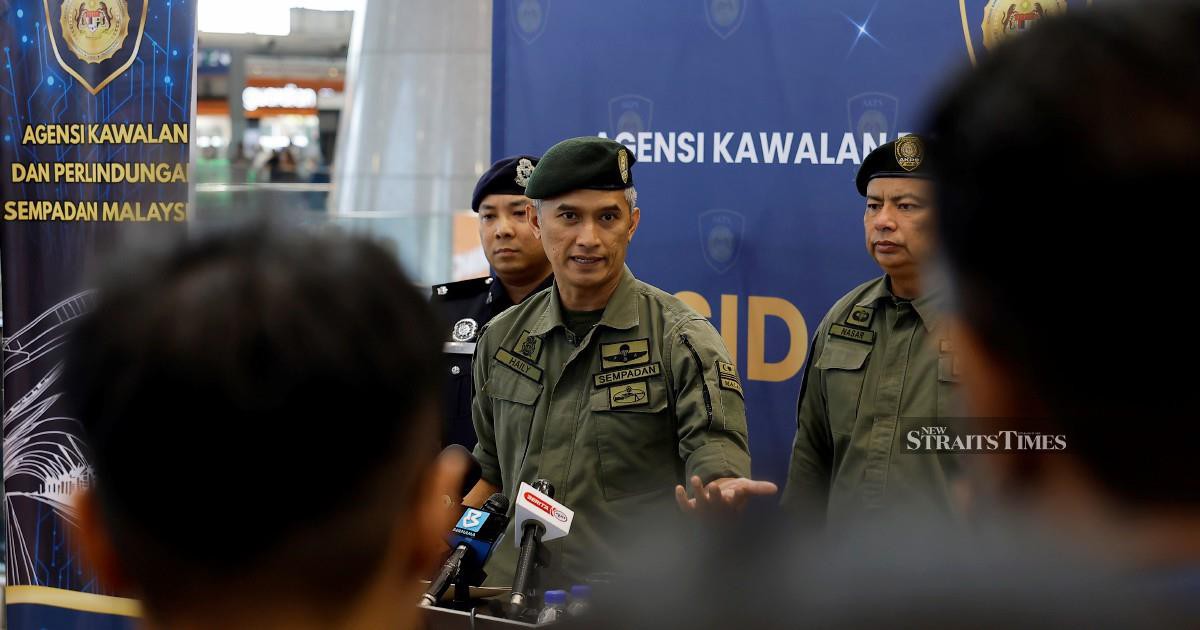
A Malaysia Airlines pilot arrested in Indonesia last week with a massive haul of 70,000 ecstasy pills had his baggage screened by the Aviation Security Services, not by personnel from the Malaysia Border Control and Protection Agency, according to a statement clarifying the agency's role in the controversy. The distinction carries significant weight as questions mount about how such a substantial drug consignment escaped detection at Malaysian departure points.
The clarification came as authorities sought to address mounting public scrutiny over security lapses in the incident, which has raised concerns about the effectiveness of baggage screening protocols at Malaysian airports. AVSEC, which operates under the transport ministry and is specifically responsible for aviation security measures, handled the screening process that failed to intercept the contraband. This revelation underscores the complexity of airport security operations and the allocation of responsibilities among multiple agencies responsible for protecting Malaysia's aviation sector.
The distinction between AVSEC and MCBA operations is more than bureaucratic. The two agencies operate under different governmental structures and maintain separate operational mandates. MCBA focuses on border control and protection across Malaysia's entry and exit points, while AVSEC concentrates specifically on aviation security screening and passenger protection measures within airport terminals. Understanding which agency managed the screening becomes crucial in any investigation into security failures and helps identify where procedural gaps may have existed.
The incident has cast a spotlight on the professional standards and training protocols employed across Malaysia's airport security infrastructure. Hundreds of trained personnel work daily to screen passengers and baggage, yet this case demonstrates that even established systems can fail to detect significant drug smuggling attempts. The pilot's arrest occurred not in Malaysia but in Indonesian airspace, where the contraband was discovered during a separate screening operation, raising questions about why Malaysian security failed to catch the pills before departure.
Malaysian airports process millions of passengers and countless tonnes of baggage annually, making the screening operation one of the most challenging logistical undertakings in the country. The volume alone means that even robust systems can encounter gaps. However, when a single individual attempts to transport 70,000 ecstasy pills internationally, the substance quantity typically triggers detection mechanisms designed specifically to catch such large-scale drug trafficking attempts. The failure in this case suggests either procedural breaches or insufficient resource allocation to critical screening checkpoints.
AVSEC's operational profile carries substantial responsibility for maintaining passenger safety and preventing contraband from boarding aircraft. The organization undergoes regular audits and must comply with strict international civil aviation security standards established by ICAO and adopted by Malaysia's aviation authority. Any screening failure at the AVSEC level could potentially trigger internal investigations and reviews of training protocols, equipment maintenance, and staff performance. Such reviews often lead to operational adjustments and enhanced monitoring procedures.
The timing of this clarification, coming days after the pilot's arrest, reflects the broader political and administrative implications of allowing substantial drug quantities to pass through Malaysian airport security. Senior officials recognize that public confidence in airport safety depends heavily on demonstrated competence in detecting prohibited items and maintaining secure travel environments. The statement appears designed to establish clear accountability lines and distinguish between various security agencies handling different aspects of airport operations.
For Malaysian travelers and the aviation industry, this incident serves as a reminder that security systems, however sophisticated, ultimately depend on consistent human execution and adequate resource deployment. The pilot's position at Malaysia Airlines, one of the country's most prominent carriers, has amplified the reputational stakes for both the airline and aviation security authorities. Malaysia Airlines has built its operational reputation partly on safety and security standards, making this incident damaging to that image internationally.
Indonesian authorities' successful detection of the contraband also raises uncomfortable questions about comparative security standards. That Malaysian screening missed what Indonesian customs later discovered suggests either that Indonesia's screening was more thorough or that Malaysia's systems contain exploitable vulnerabilities. Such comparative gaps become significant when they reflect on Malaysia's standing as a major regional aviation hub and international travel destination competing with other Southeast Asian centers.
The distinction between AVSEC and MCBA operations will likely feature prominently in any formal investigation into how this smuggling attempt proceeded undetected. Accountability measures, whether directed toward AVSEC personnel, supervisory structures, or equipment maintenance protocols, will depend on determining exactly where screening procedures broke down. Regulatory bodies may use this incident to reassess the adequacy of resources allocated to aviation security screening, particularly during high-traffic periods when operational pressures can sometimes compromise thoroughness.
Looking forward, the case underscores Malaysia's ongoing challenge in combating drug trafficking through its transportation hubs while maintaining efficient airport operations that facilitate legitimate travel and commerce. The country's status as a major transit point for regional and international traffic makes it a target for smugglers seeking to move contraband through busy, complex airport environments. Enhanced training, better equipment, or stricter procedural adherence at AVSEC checkpoints may be among the responses authorities consider to prevent similar incidents.

