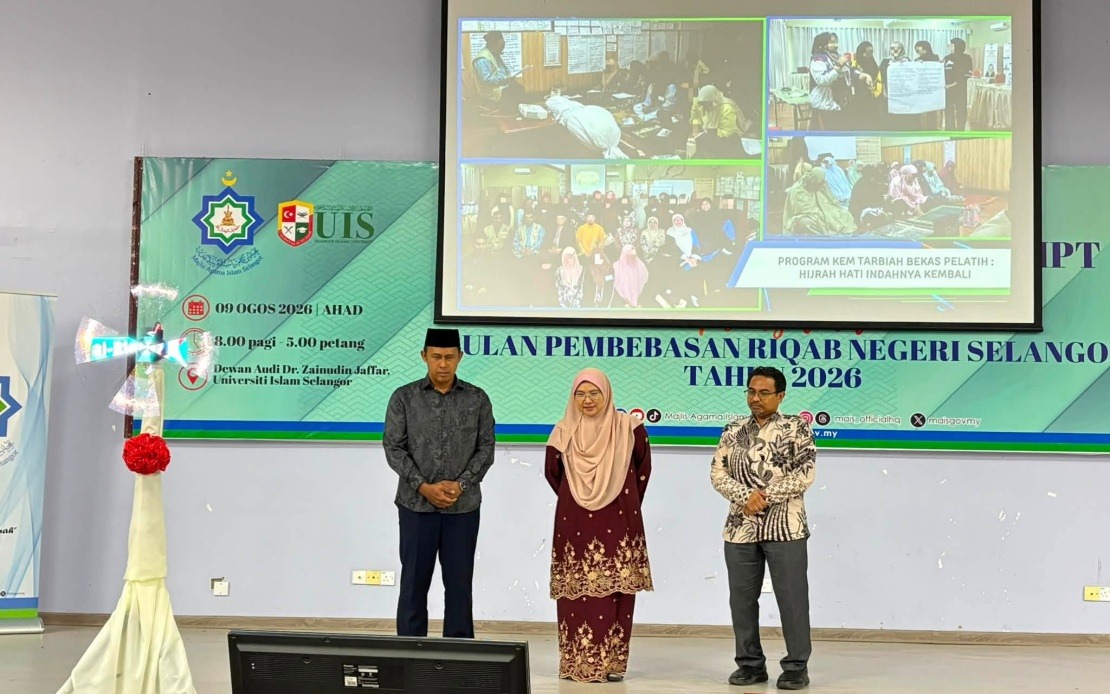
The Selangor Islamic Religious Council (MAIS) has mobilised substantial resources to address one of Malaysia's most pressing social welfare challenges, directing over RM17 million in zakat collections during the previous financial year to support individuals classified as asnaf riqab. This funding represents a significant commitment to addressing the complex interplay of addiction, behavioural difficulties, and spiritual disengagement that characterises this vulnerable demographic across the state.
The scale of MAIS's intervention extends across a diverse network of institutional and community-based support mechanisms. The council operates three dedicated rehabilitation homes alongside 24 additional facilities specifically designed to serve asnaf riqab populations, creating a comprehensive ecosystem for intervention. Rather than relying solely on financial transfers, the organisation has structured its approach around multifaceted rehabilitation grants that fund educational courses, professional training initiatives, and structured counselling services. This diversified funding model reflects a sophisticated understanding that material assistance alone cannot address the underlying causes driving social and spiritual disengagement.
The council's early performance in the current financial year demonstrates the programme's momentum and expanding reach. During the first half of 2024, MAIS allocated RM4.1 million to assist 1,656 individuals, suggesting an annualised expenditure trajectory that could exceed the previous year's commitment. This acceleration in spending indicates either growing demand for services or expanded programme capacity—factors highly relevant for Malaysian policymakers monitoring social welfare effectiveness across the country.
Critically, MAIS has invested in human capital to sustain its rehabilitation mission. The appointment of 213 Al Riqab guides represents a deliberate strategy to provide ongoing mentorship and personal support beyond formal institutional settings. These guides function as peer counsellors and spiritual advisors, bridging the gap between structured rehabilitation programmes and the daily challenges individuals face during reintegration into mainstream society. The ratio of guides to beneficiaries suggests personalised attention remains feasible within the current funding framework.
The terminology surrounding asnaf riqab carries significant social policy implications that Malaysian readers should understand in context. Originally referring to individuals whose faith has wavered, the classification expanded in 2012 following a MAIS fatwa to encompass broader categories of social affliction. This redefinition now encompasses drug addiction—Malaysia's longstanding public health challenge—alongside individuals experiencing gender identity questions and those deemed to have strayed from Islamic practice. The expansive categorisation reflects Malaysia's evolving approach to integrating social welfare with religious guidance, though it also raises questions about the intersection of state religious authority and individual autonomy.
The timing of MAIS's Riqab Liberation Month Campaign 2026, launched in August, suggests strategic emphasis on public engagement alongside direct service provision. By dedicating an entire month to awareness-raising activities including seminars, informational forums, and guidance programmes, the council appears to be pursuing a two-pronged strategy: normalising discussion of these social challenges while simultaneously building community participation in rehabilitation efforts. This campaign architecture indicates recognition that institutional capacity alone cannot meet comprehensive social needs.
From a Malaysian governance perspective, MAIS's work highlights the role religious institutions play in welfare service delivery throughout the country. Unlike secular welfare agencies, Islamic religious councils maintain direct access to zakat funds—a mandatory religious levy with enforcement mechanisms—providing financial stability that government budgets sometimes struggle to guarantee. This institutional advantage positions organisations like MAIS as significant social welfare actors extending far beyond spiritual guidance into practical rehabilitation.
The programme's emphasis on drug addiction rehabilitation aligns with Malaysia's broader national priorities. As one of the region's most drug-affected countries, with persistent problems in urban and rural populations, initiatives that integrate addiction treatment with faith-based mentoring represent innovative approaches to a persistent challenge. The inclusion of spiritual guidance alongside clinical rehabilitation reflects Malaysia's unique cultural context, where religious and medical interventions often operate in complementary rather than competing domains.
The operational structure—combining residential rehabilitation homes with community-based facilities—permits differentiated intervention tailored to individual circumstances and severity levels. Some individuals may require intensive residential treatment, whilst others benefit from outpatient counselling and guidance services. This graduated response system maximises resource efficiency whilst maintaining appropriate support intensity, a model worthy of consideration by other Malaysian state religious councils operating under similar funding constraints.
The distribution of RM4.1 million across 1,656 individuals during the first half of 2024 calculates to approximately RM2,475 per beneficiary—a modest sum suggesting that support manifests primarily through facility access, counselling services, and programme participation rather than direct cash transfers. This approach reflects both budgetary realism and recognition that financial assistance without structural support addresses symptoms rather than underlying challenges.
Looking forward, the sustainability of MAIS's programme depends upon continued zakat contributions and public understanding of asnaf riqab populations' needs. As Malaysia grapples with urbanisation, substance abuse epidemics, and shifting social structures, the role of religious institutions in providing targeted welfare services will likely expand. However, ensuring coordination between MAIS initiatives and state health agencies, law enforcement, and secular welfare providers remains essential for maximising effectiveness across overlapping populations and service domains.
The council's commitment to appointing guides and operating diversified facilities demonstrates that meaningful social change requires sustained institutional investment beyond emergency intervention. Whether this model can scale to address similar challenges in other Malaysian states will significantly influence the country's capacity to reintegrate marginalised populations and reduce the intergenerational transmission of social difficulties.

