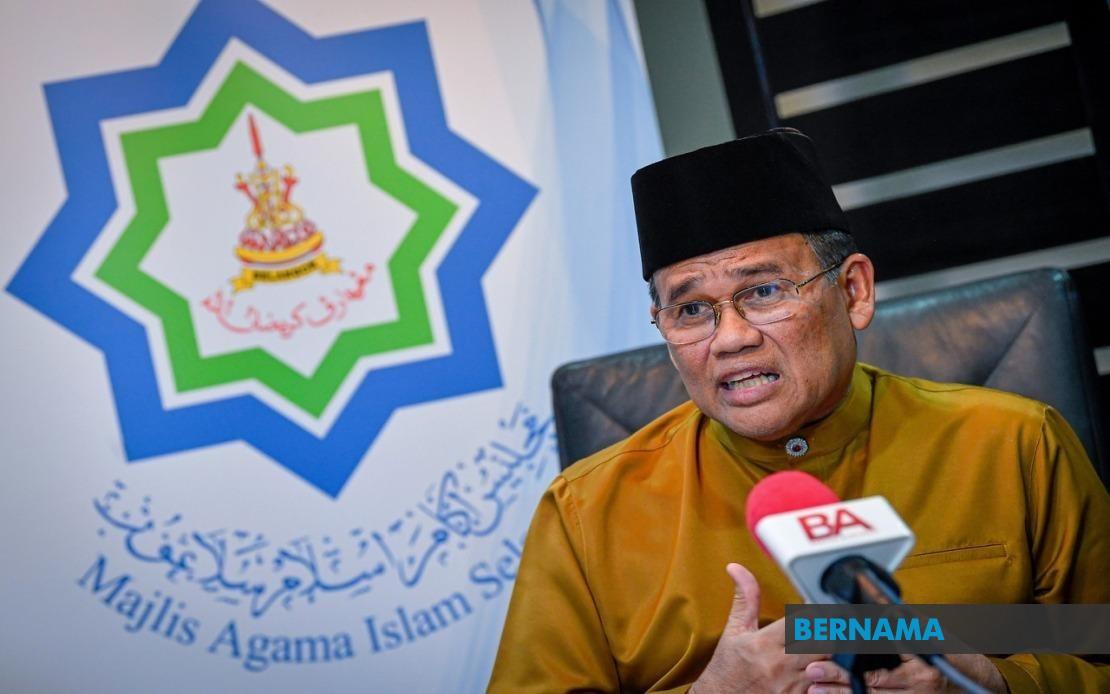
The Selangor Islamic Religious Council (MAIS) has initiated urgent consultations with multiple stakeholders following serious allegations that funeral arrangements were delayed at Ukay Perdana Muslim Cemetery in Hulu Kelang. The intervention comes as Islamic authorities acknowledge mounting public concern over what appears to be a significant administrative failure during a sensitive moment for a grieving family. Datuk Salehuddin Saidin, the council's chairman, confirmed that representatives from the deceased's family, Masjid Nurul Hidayah in Kampung Pandan Dalam, the Salatulrahim Welfare Organisation (BKS), and the Selangor Islamic Religious Department (JAIS) will participate in the emergency discussion aimed at reconciliation and systemic improvement.
The gathering represents an acknowledgement by Malaysia's Islamic authorities that gaps exist within the institutional framework governing Muslim funeral and burial protocols. Rather than deflecting responsibility, MAIS has positioned itself as a reform agent, signalling that the matter extends beyond individual error to encompass broader procedural vulnerabilities. For Malaysian Muslim communities, particularly in Selangor where such incidents can ignite broader questions about religious governance, the council's proactive stance carries symbolic weight. The convening of a multi-party forum signals that authorities recognise the ordeal's significance and are treating it as worthy of coordinated intervention rather than isolated investigation.
Salehuddin articulated the organisation's commitment to a comprehensive resolution, emphasising that the process would serve dual purposes: addressing the immediate crisis while preventing recurrence. The chairman expressed profound sympathy toward the family's experience, acknowledging that the alleged delay compounded grief with additional anguish during an already vulnerable period. This explicit recognition of emotional trauma, alongside procedural concerns, distinguishes the response from purely bureaucratic damage control. The statement positioned MAIS as an institution capable of understanding the human dimensions of administrative failure rather than merely assigning technical blame.
Police investigations are simultaneously progressing, with preliminary findings already emerging through JAIS director Datuk Mohd Shahzihan Ahmad's statement released the preceding Saturday. These initial conclusions were derived from information provided by the mosque's management, though other parties—including the deceased's family and the BKS—have independently filed police reports. This multiplicity of formal complaints indicates that disagreement exists regarding responsibility and circumstances. Salehuddin deliberately urged restraint, asking all parties to permit the police investigation to proceed without external pressure, a move aimed at preserving investigative integrity while preventing premature public judgement.
The analytical landscape suggests three potential culprits: criminal misconduct by specific individuals, systemic negligence within institutional structures, or miscommunication between organisations that should coordinate seamlessly. Salehuddin's explicit mention of these possibilities indicates that MAIS has already begun preliminary assessment. For Malaysian families navigating funeral arrangements in a religiously diverse nation with specific Islamic requirements, clarity regarding which category applies carries legal and social consequences. If criminal conduct emerges, accountability becomes individualised; if negligence is established, systemic reforms become necessary; if miscommunication is the root cause, procedural clarification and staff training become priorities.
Beyond the immediate investigation, MAIS has committed to a comprehensive institutional review targeting the management of Islamic funeral and burial procedures across mosque-operated facilities in Selangor. This broader audit acknowledges that the Ukay Perdana incident may represent a symptom rather than an isolated aberration. The review will identify operational vulnerabilities, training gaps, and communication failures that could affect other facilities and families. For Malaysian Islamic authorities managing institutions that serve vulnerable populations during emotionally charged circumstances, such audits constitute essential governance practice, ensuring that religious obligation and administrative competence align rather than conflict.
The council's emphasis on responsibility, integrity, and compliance with Islamic law indicates that improvements will be evaluated against religious as well as administrative standards. This dual framework reflects Islam's intrinsic emphasis on proper conduct (adab) and procedural correctness (manhaj) alongside technical execution. In the Malaysian context, where Islamic institutions serve populations with varying educational backgrounds and socioeconomic circumstances, ensuring that funeral services maintain both religious authenticity and professional standards represents a complex institutional challenge requiring sustained attention.
Salehuddin's appeal to the broader Muslim community to maintain unity and brotherhood (ukhuwah) despite disagreements represents an effort to prevent the incident from becoming a flashpoint for factional conflict within Islamic circles. In Malaysian politics and religious discourse, individual crises can rapidly transform into broader sectarian disputes if narrative control fractures. By framing the situation as an opportunity for collective learning rather than institutional blame, MAIS attempts to retain community cohesion whilst addressing substantive failures. Whether this rhetorical strategy succeeds depends largely on the investigation's findings and whether they affirm or contradict preliminary conclusions already public.
For Malaysian Muslim families and broader society, the MAIS response establishes important precedent regarding accountability within Islamic religious institutions. The council's willingness to acknowledge imperfection, initiate multi-stakeholder dialogue, and commit to institutional reform suggests a maturing approach to governance that balances religious authority with administrative responsibility. However, the ultimate test lies in implementation: whether the urgent meeting produces concrete changes, whether the institutional review identifies actionable improvements, and whether families using these services experience enhanced clarity and professionalism in funeral arrangements.
The Ukay Perdana incident intersects with broader Southeast Asian concerns regarding the intersection of religious governance and public service delivery. Malaysia's Islamic institutions manage critical life events—birth registration, marriage, inheritance, and death—making their operational excellence a matter of individual dignity and social trust. When procedures falter precisely at moments when families experience maximum vulnerability, the damage extends beyond individual families to institutional credibility itself. MAIS's response indicates recognition that religious authority, whilst spiritually rooted, requires institutional competence to maintain legitimacy in modern Malaysian society.

