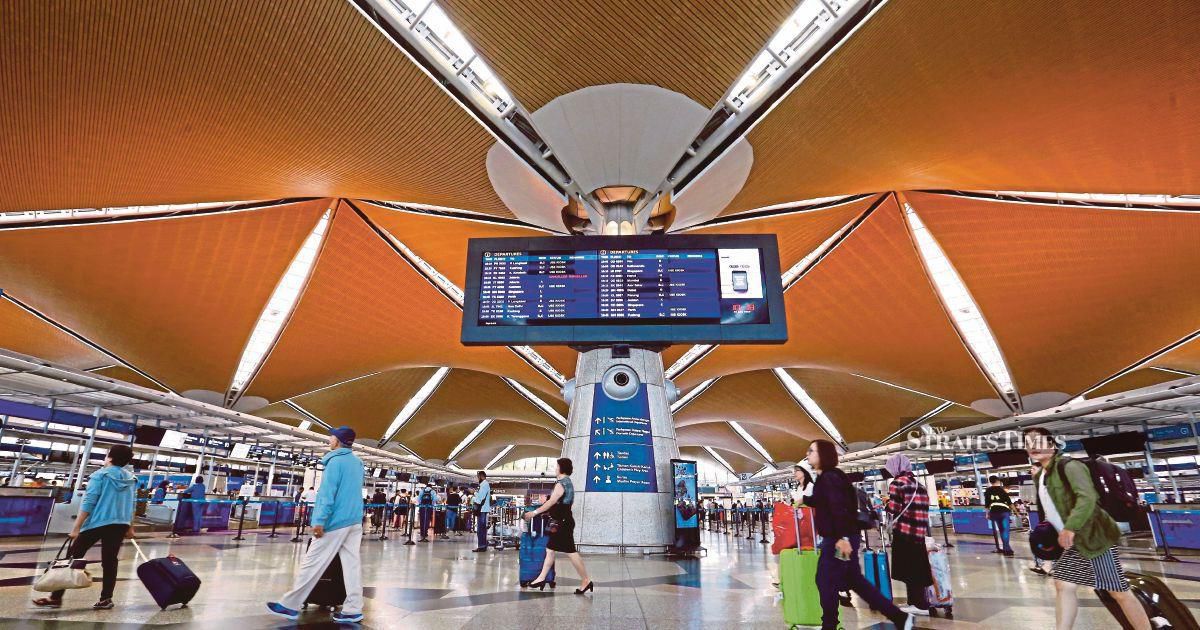
Malaysia Airports Holdings Bhd (MAHB) has acknowledged that a technical fault disrupted the baggage handling infrastructure at Terminal 1 of Kuala Lumpur International Airport (KLIA) during operating hours today. The company confirmed the incident and indicated that normal operations resumed by 5.30 in the afternoon, limiting the duration of passenger inconvenience at the country's busiest airport hub.
The baggage handling system at KLIA Terminal 1 represents one of the critical operational components supporting the airport's daily throughput. Any disruption to this infrastructure can create cascading delays affecting multiple flights, passenger connections, and ground operations. The technical nature of the malfunction suggests the issue stemmed from system software, hardware, or integration problems rather than manual process failures, though MAHB did not elaborate on the specific root cause.
Terminal 1 at KLIA serves as the primary facility for Malaysia's national carrier Malaysia Airlines, alongside several regional and international carriers. The terminal handles a substantial volume of passenger movements daily, making it particularly vulnerable to operational disruptions. During peak hours, baggage system failures can strand luggage in processing areas, delay aircraft departures, and create significant frustration for connecting passengers facing tight transfer windows.
The timing of the incident raises questions about the adequacy of KLIA Terminal 1's technical infrastructure and maintenance protocols. Malaysia's aviation sector competes regionally with Singapore's Changi Airport and Bangkok's Suvarnabhumi and Don Mueang facilities, all of which have invested heavily in modernising ground handling systems. For KLIA to maintain competitive standing, particularly in attracting premium airline partnerships and connecting traffic, operational reliability must remain paramount.
MAHB's swift acknowledgment of the problem demonstrates improved transparency compared to historical airport incidents, though detailed information about the incident's cause, affected flights, and preventive measures remained limited. Passengers and airlines rely on timely, comprehensive communication during such disruptions to manage alternative arrangements and minimise downstream impacts. The company's communications strategy during operational failures significantly influences public and industry perception of airport management capability.
The incident underscores the importance of redundancy and backup systems in critical airport infrastructure. Modern baggage handling facilities typically incorporate multiple processing lines and switching mechanisms to isolate failures and maintain partial operations. Whether KLIA Terminal 1's backup systems functioned appropriately during this failure would indicate the effectiveness of the airport's contingency planning and engineering design philosophy.
Southeast Asia's aviation sector continues expanding rapidly, with passenger volumes projected to grow substantially over the coming decade. KLIA Terminal 1, originally opened in 1998, has required periodic upgrades to accommodate increasing throughput and meet contemporary operational standards. This incident may prompt broader assessment of the terminal's aging infrastructure and whether comprehensive modernisation investments are warranted to prevent recurring technical disruptions.
For Malaysian business travellers and tourists relying on international connections through KLIA, operational reliability during peak periods directly affects travel planning and customer experience. A single afternoon's baggage system failure can result in missed connections, lost luggage, and reputational damage to Malaysian aviation's international image. The frequency and duration of such incidents become factors in airline scheduling decisions and passenger choice of transfer hubs.
MAHB's response timeframe—resolving the issue within the same business day—reflects positive operational recovery capability. However, the absence of advance warning systems that might have alerted airlines and ground handlers to potential problems earlier suggests room for improvement in predictive maintenance and system monitoring. Implementing advanced diagnostics could enable proactive shutdowns and workaround activation before passenger-facing impacts occur.
The broader regulatory environment governing airport operations in Malaysia may warrant examination following such incidents. Civil Aviation Authority of Malaysia oversight, combined with MAHB's operational responsibilities, should include provisions for root cause analysis, public reporting, and implementation of preventive measures. Transparent disclosure of such incidents builds stakeholder confidence that the airport operator takes system reliability seriously.
Regional airline partnerships and international passengers increasingly factor operational reliability into hub selection decisions. KLIA competes for both origin-destination traffic and lucrative connecting passenger revenue. Incidents like today's baggage system failure, while temporarily resolved, accumulate in industry perception and influence long-term route planning decisions by carriers evaluating alternative Southeast Asian gateways.
Moving forward, MAHB should consider publishing detailed incident reviews addressing the technical cause, affected passengers and flights, and specific remedial actions implemented to prevent recurrence. Such transparency would demonstrate commitment to continuous improvement and help restore confidence among frequent users of KLIA Terminal 1 in the airport's operational management capability.

