Malaysia Airports Holdings Berhad (MAHB) and Mitsui Fudosan (Asia) Malaysia have launched construction of an RM80 million logistics complex dedicated to air cargo operations at Subang Airport, marking a significant expansion of the nation's aviation infrastructure capacity. The groundbreaking ceremony, held this week, formalises a strategic partnership between the two companies to develop a facility that combines Japanese expertise in airport logistics with MAHB's extensive land portfolio across Malaysia's aviation network.
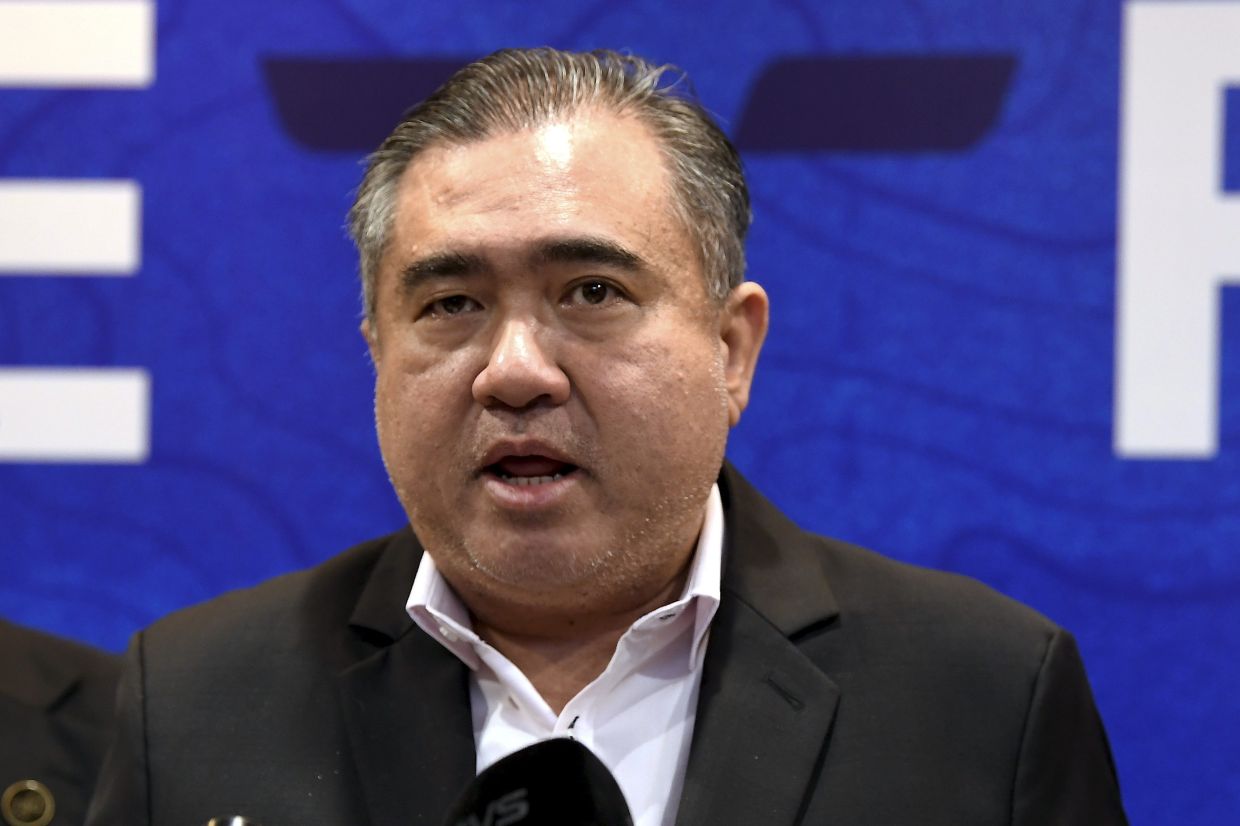
Transport Minister Anthony Loke Siew Fook characterised the joint venture as emblematic of MAHB's broader asset development strategy, which hinges on partnering with international specialists to manage operational and financial risks while unlocking the commercial potential of underutilised airport properties. He highlighted Mitsui Fudosan's extensive track record operating similar facilities at Tokyo's Haneda Airport, one of the world's busiest international aviation hubs, suggesting that transferring such operational models to Malaysia would enhance the competitiveness and resilience of local air cargo infrastructure.
The 1.78-hectare development site, situated within Subang Aerotech Park, will yield approximately 254,420 square feet of usable space configured as a multi-tenant facility. This design approach accommodates diverse operational needs among aerospace, aviation, and logistics companies based across the Klang Valley region, allowing smaller and mid-sized enterprises to access premium facilities without requiring exclusive long-term commitments. The facility's proximity to existing aerospace and aviation clusters should create natural synergies and clustering benefits that strengthen the entire ecosystem.
Completion is scheduled for the third quarter of 2027, with commercial operations commencing in the fourth quarter of that year. This timeline reflects the construction complexity of modern logistics infrastructure while providing Malaysian operators with concrete timelines for operational planning. The phased approach allows MAHB and its partner to refine operations based on market feedback during the development period.
The Subang project sits within a much broader government initiative to reposition Malaysia as a regional air cargo powerhouse competing with established hubs in Singapore, Bangkok, and Hong Kong. Transport Ministry officials are simultaneously pursuing capacity enhancements at multiple airports, each targeting specific niches within the expanding Southeast Asian cargo market. This diversified approach reduces dependency on any single facility and distributes economic benefits across different regions.
Penang's dominance in Malaysian air cargo, accounting for approximately 75 percent of national throughput, underscores the sector's concentration around semiconductor and electronics manufacturing. However, this concentration also represents a vulnerability, as disruptions to a single industry or location could severely impact national air cargo revenues. The government's strategy to develop alternative hubs at Kuala Lumpur and Kota Kinabalu reflects recognition of this risk and aims to establish more geographically distributed capacity.
KLIA, Malaysia's primary international airport, is being positioned as ASEAN's gateway to Chinese markets through collaborative arrangements that capitalise on deepening Southeast Asia–China trade relationships. This positioning leverages Malaysia's geographic location and existing international connectivity, particularly important as Chinese investment in the region continues expanding across manufacturing, infrastructure, and logistics sectors. The regional air cargo hub designation at KLIA could generate substantial revenues and employment across the Klang Valley.
Simultaneously, the Transport Ministry is collaborating with Sabah state authorities to establish an air cargo hub at Kota Kinabalu International Airport by repurposing Terminal 2, the airport's secondary terminal. This eastern Malaysian development would serve the growing resource extraction, palm oil processing, and manufacturing sectors in Sabah and Sarawak, while also providing trans-shipment capacity for Southeast Asian trade routes. The terminal repurposing approach offers cost efficiency compared to new construction while rapidly bringing capacity online.
Mitsui Fudosan's involvement brings not merely capital and construction expertise but also operational knowledge accumulated across multiple Japanese airports and Asian locations. The company's experience managing competing tenant interests, optimising facility utilisation, and maintaining service standards under high-throughput conditions should help MAHB avoid operational pitfalls that plague some regional logistics facilities. This knowledge transfer represents perhaps the joint venture's most valuable non-financial contribution to Malaysian aviation infrastructure.
The partnership also signals Japan's continued strategic interest in Southeast Asian infrastructure development, particularly within the aviation and logistics sectors where Japanese companies maintain technological advantages and operational sophistication. For Malaysia, this represents successful foreign direct investment attraction in non-manufacturing sectors, diversifying the economy beyond traditional electronics and petrochemicals industries that have historically dominated FDI inflows.
The Subang facility will particularly benefit the maintenance, repair, and overhaul (MRO) sector, an increasingly important aviation industry segment across Asia. Airlines increasingly outsource MRO work to specialised facilities, and the complex's location within Subang Aerotech Park—already home to aerospace and aviation operators—positions it to capture growing regional MRO demand. This could establish Subang as a secondary MRO hub supporting KLIA's primary operations.
For Malaysian stakeholders in air cargo, aerospace, and logistics, the Subang complex represents a tangible commitment to infrastructure modernisation that has been promised but unevenly delivered over recent years. The involvement of an internationally recognised developer provides greater certainty regarding completion timelines and operational standards compared to government-only projects. The fourth-quarter 2027 operational commencement date offers logistics operators approximately three years for planning and securing tenancy agreements.
The broader significance lies in how this project exemplifies Malaysia's evolving airport development philosophy: leveraging publicly owned assets through strategic private partnerships rather than relying solely on government capital and operational capacity. As air cargo becomes increasingly critical to regional competitiveness—particularly given semiconductor supply chain sensitivities and e-commerce growth—these infrastructure investments become economically and strategically vital. The MAHB-Mitsui Fudosan partnership demonstrates that this approach can work, provided strategic partners with aligned interests and complementary capabilities are selected carefully.

