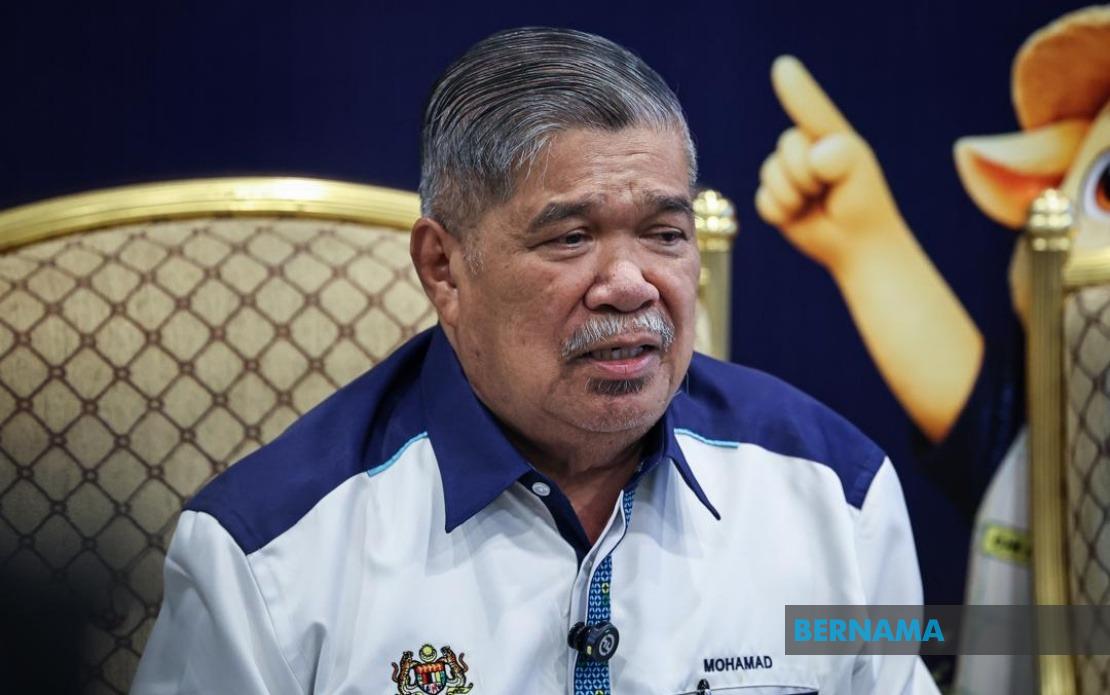
The Malaysia Agriculture, Horticulture and Agrotourism Show (MAHA) 2026 is operating under elevated health advisory conditions as organisers grapple with the combination of poor air quality from regional haze and sweltering temperatures during peak visitation periods. Agriculture and Food Security Minister Datuk Seri Mohamad Sabu issued a public recommendation for mask-wearing during the inaugural press conference at Malaysia Agro Exposition Park Serdang (MAEPS) on Thursday, citing the dual environmental challenges facing the nation's agricultural sector's flagship exhibition.
The timing of the advisory underscores a seasonal vulnerability that Malaysia and the broader Southeast Asian region faces annually. With school holidays commencing immediately before the press conference, organisers anticipated exponential growth in daily attendance figures beyond the inaugural 140,000 visitors logged on Wednesday. The convergence of school breaks, weekend tourism patterns, and deteriorating air quality creates conditions where respiratory health becomes a legitimate public concern for families attending the nine-day event. Mohamad's cautious approach reflects the ministry's proactive stance on safeguarding attendee wellbeing without imposing mandatory restrictions that might deter visitors.
The scale of MAHA 2026 positions it as a significant gathering within Malaysia's agricultural and tourism calendars. Running through September 6 at MAEPS, the exhibition has assembled approximately 2,000 exhibitors representing diverse segments of the agrotourism, horticulture, and farming sectors. Organisers project welcoming more than four million cumulative visitors throughout the event's duration, making it one of the nation's largest trade and consumer shows. This magnitude of human traffic intensifies the importance of environmental and health considerations, particularly when atmospheric and climatic conditions fall outside optimal parameters.
The exhibition operates under the thematic banner "Penciptaan Nilai Demi Keterjaminan Makanan"—a phrase emphasising value creation in service of food security. This messaging carries particular resonance given Malaysia's ongoing agricultural modernisation initiatives and the sector's integral role in regional food systems. The show serves as both a commercial platform for producers and agribusinesses and an educational venue where consumers encounter domestic agricultural innovations. When attendance swells to millions, the venue becomes a microcosm of Malaysia's relationship with its agricultural heritage and future direction.
Environmental conditions affecting the exhibition reflect broader regional patterns. Transboundary haze, typically originating from land-clearing and agricultural burning in neighbouring territories during certain seasons, periodically impacts air quality across Malaysia. This year's timing coincides with MAHA 2026's opening, creating unavoidable atmospheric challenges beyond the exhibition's organisational scope. Hot weather accompanies the haze conditions, intensifying potential health impacts on vulnerable populations including elderly visitors, young children, and individuals with pre-existing respiratory conditions. The minister's recommendation acknowledges these realities while maintaining the exhibition's schedule.
Deputy Minister Datuk Chan Foong Hin and the ministry's Secretary-General Datuk Seri Isham Ishak flanked Mohamad during the announcement, signalling institutional alignment on the health advisory. This multi-level ministerial presence demonstrates that the advisory emerged from considered departmental deliberation rather than ad-hoc commentary. The unified messaging from senior agricultural ministry officials carries weight with exhibition organisers, exhibitors, and the general public, potentially encouraging compliance with the mask-wearing suggestion.
Beyond the health advisory, MAHA 2026 maintains its programmatic calendar, including a notable addition to Malaysia's national celebrations. The exhibition will host Merdeka Eve festivities on August 30 at 11:30 pm, featuring drone and fireworks displays. The decision to integrate national commemorative activities within the agricultural show's framework reflects how Malaysian institutions embed patriotic observances across diverse public gatherings. This programming choice also extends exhibition hours into evening timeframes, potentially amplifying attendance during the school holiday period.
For Malaysian visitors planning attendance during the coming weeks, the minister's guidance represents practical health counsel layered onto standard exhibition planning. Families and agricultural professionals contemplating visits should incorporate respiratory protection into their preparation, alongside conventional precautions such as hydration and sun protection appropriate to Malaysia's tropical climate. The nine-day exhibition window allows flexibility in scheduling visits, potentially permitting attendees to select days when air quality forecasts appear more favourable, though no certainty exists regarding haze mitigation timing.
The situation also underscores persistent challenges within regional environmental governance. Transboundary haze remains an unresolved diplomatic and technical issue affecting multiple Southeast Asian nations annually, with Malaysia frequently positioned as an affected party rather than a source. While MAHA 2026's health advisory addresses immediate visitor concerns, the underlying atmospheric conditions reflect systemic vulnerabilities requiring sustained regional cooperation and enforcement mechanisms that extend far beyond any single exhibition's organisational capacity.
Moving forward, MAHA 2026's opening week trajectory will likely establish patterns for remaining exhibition days. The 140,000 first-day attendance figure suggests strong public interest in agricultural exhibitions and agrotourism promotion, even amid environmental challenges. Whether school holiday visitation multiplies this figure further, and whether the mask advisory influences attendance patterns or protection behaviours, will provide insights into Malaysian public response to environmental health recommendations during major events.

