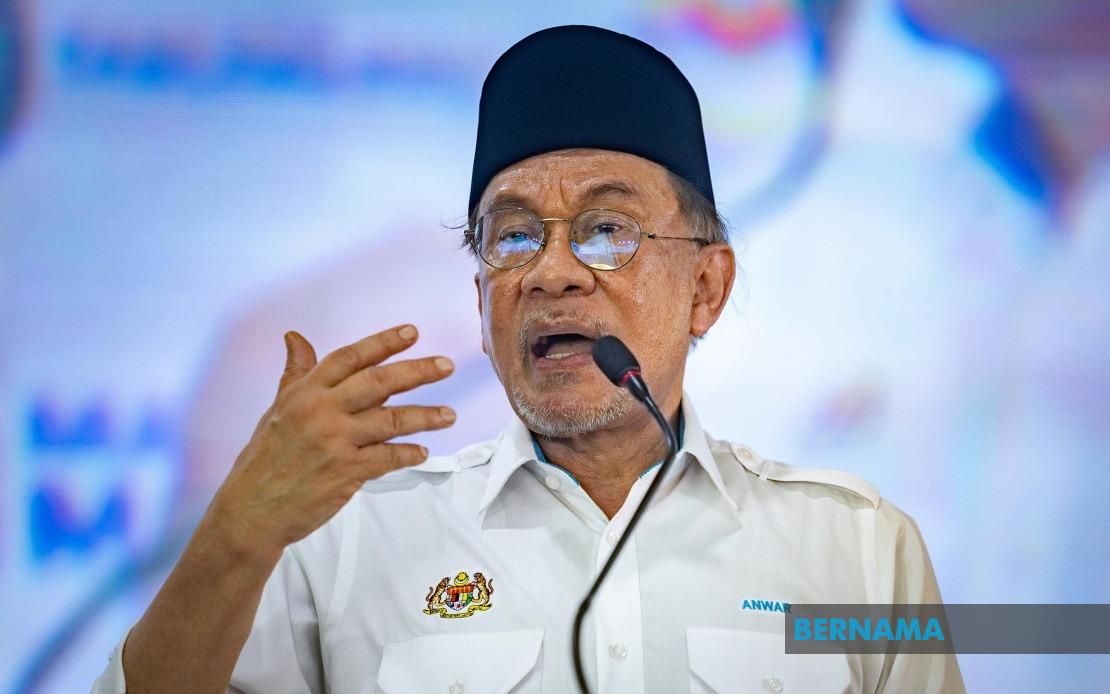
Prime Minister Datuk Seri Anwar Ibrahim has pledged sustained government backing for Malaysia's network of Islamic and pondok schools, underscoring a broader policy direction to modernise religious education while maintaining its foundational values. Speaking at the 2026 Perak Pondok and Religious Schools Gathering in Ipoh on July 19, the Prime Minister outlined plans to enhance facilities and academic offerings across these institutions, provided economic conditions remain favourable.
Historically, pondok schools have occupied a distinctive place within Malaysia's educational landscape, functioning as repositories of Islamic learning and cultural preservation during periods when formal government education systems remained underdeveloped. These boarding institutions, often led by revered religious scholars known as tok guru, have educated generations of Malaysian Muslims in Quranic studies, Islamic jurisprudence, and classical Arabic texts. However, as Malaysia underwent rapid modernisation and technological advancement, many of these schools struggled to remain relevant, finding themselves unable to adequately prepare students for contemporary professional and economic opportunities.
Anwar's remarks acknowledge this historical tension directly. He commended religious teachers, pondok leaders, and tok guru for maintaining Islamic traditions and classical scholarship even as the world transformed around them. Yet he also recognised that such preservation alone would not suffice—these institutions must evolve. The Prime Minister expressed particular pride in examples where pondok schools and Islamic institutions have begun incorporating modern disciplines, including computer technology and artificial intelligence, creating a hybrid educational model that respects tradition while embracing innovation.
The government's commitment finds practical expression through partnerships with key agencies. The Malaysia Digital Economy Corporation and the Implementation Coordination Unit within the Prime Minister's Department have been instrumental in assisting religious schools to upgrade their facilities and integrate digital literacy into their curricula. These collaborations represent a deliberate strategy to bridge the gap between religious and technical education, ensuring students gain marketable skills alongside their theological knowledge.
Anwar's assurance—qualified with the Islamic expression "insya-Allah" and contingent on continued economic stability—signals that resource allocation to these institutions remains subject to broader fiscal considerations. During his conversation with Sheikh Wazir Che Awang Al-Makki, a prominent religious scholar from Kelantan, the Prime Minister reiterated this commitment, suggesting that enhancement of pondok and religious schools will remain a budgetary priority if Malaysia's economic trajectory continues positively.
The policy carries significance beyond simple resource distribution. For Malaysia's Muslim majority, pondok schools represent important cultural and spiritual anchors, and government support for their modernisation reflects official recognition that Islamic education need not exist in tension with economic development. This approach potentially addresses long-standing concerns among conservative Islamic constituencies that modernisation necessarily entails cultural dilution, instead positioning technological integration as compatible with religious values.
For Southeast Asia more broadly, Malaysia's experience offers instructive lessons. The region contains numerous Islamic educational institutions facing similar pressures to balance tradition with contemporary relevance. As Indonesia, Brunei, and other Muslim-majority nations grapple with similar questions about Islamic education's future, Malaysia's experiments with integrating AI and digital skills into pondok curricula may provide models worth examining.
The gathering itself, attended by Perak Menteri Besar Datuk Seri Saarani Mohamad, Minister in the Prime Minister's Department (Religious Affairs) Dr Zulkifli Hasan, and Chief Secretary to the Government Tan Sri Shamsul Azri Abu Bakar, underscores the prominence accorded to this policy within government circles. The presence of religious affairs leadership alongside administrative officials emphasises the cross-portfolio nature of efforts to strengthen these institutions.
Yet challenges remain substantial. Many pondok schools operate with limited financial resources, inadequate physical infrastructure, and recruitment difficulties as they compete for students against well-funded government schools. Transitioning curricula to incorporate advanced technologies requires not only capital investment but also training for teaching staff, many of whom may lack formal qualifications in computer science or related fields. The government's partnership approach suggests recognition that no single agency can address these multifaceted challenges alone.
Anwar's comments also reflect broader MADANI governance philosophy, which emphasises unity and inclusivity. By positioning Islamic educational institutions as worthy of national investment and modernisation support, rather than treating them as marginal or backward, the government signals commitment to incorporating diverse educational traditions within its developmental framework. This inclusive stance may help consolidate support across Malaysia's religiously diverse population by demonstrating that government support for Islamic institutions does not come at the expense of other communities.
The sustainability of these commitments will ultimately depend on economic performance and political continuity. Malaysia faces medium-term fiscal constraints, and competing budget demands from healthcare, infrastructure, and conventional education sectors will necessitate careful prioritisation. Nevertheless, the Prime Minister's explicit coupling of pondok school enhancement to national economic health suggests policymakers view Islamic education modernisation as integral to Malaysia's long-term competitiveness and social cohesion rather than as discretionary expenditure.
For students, parents, and educators within Malaysia's pondok system, these assurances represent tangible hope that their institutions can remain educationally viable without abandoning their spiritual missions. The government's framing suggests a pathway forward where tomorrow's pondok graduates might possess both deep Islamic scholarship and practical technical competencies—a combination that could enhance their prospects in increasingly knowledge-based economies while maintaining the religious formation these institutions have historically provided.

