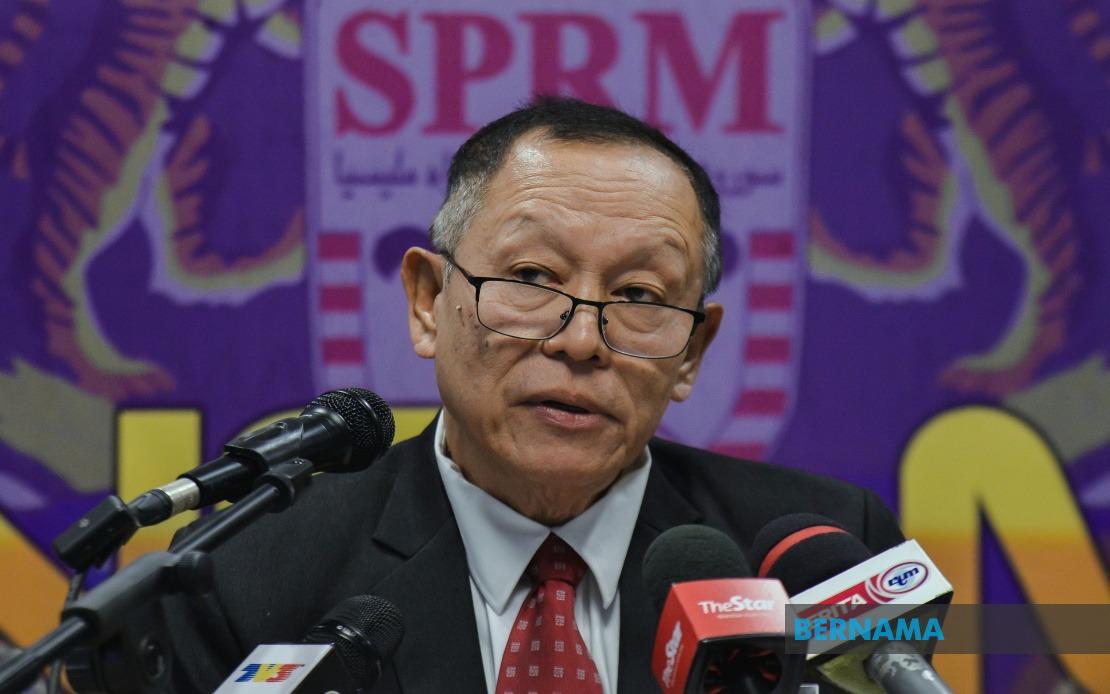
The Malaysian Anti-Corruption Commission has concluded its four-day session of recording a statement from a former chief financial officer connected to Tabung Haji, as investigators probe alleged misconduct flagged in a recent Royal Commission of Inquiry report into the pilgrim savings fund's operations. The questioning sessions, which began on Tuesday at MACC headquarters in Putrajaya, concluded this week after extended interviews running from 9 am to 6:30 pm, according to MACC chief commissioner Datuk Seri Abd Halim Aman.
The inquiry centres on claims that officials misused their authority when orchestrating the acquisition of shares in two plantation companies valued at approximately RM370 million. This transaction has become a focal point of concern following the RCI's examination of Lembaga Tabung Haji's financial governance and administrative practices. The value involved represents a substantial portion of the fund's investment portfolio, making the accuracy and propriety of decision-making processes integral to public confidence in the institution.
Both the 60-year-old former CFO and the company's ex-chief executive officer were retained by investigators when they initially reported to provide their accounts on Tuesday. Their voluntary submission to questioning marked an important development in what has evolved into a complex examination of corporate accountability within Malaysia's pilgrim savings ecosystem. The extended duration of the interrogations suggests that investigators sought comprehensive detail regarding the decision-making framework, approvals process, and beneficiaries associated with the substantial transaction.
Tabung Haji holds particular significance within Malaysia's financial and social infrastructure, serving millions of Muslim Malaysians who save with the institution specifically to fund their Hajj pilgrimage obligations. Any breach of fiduciary duty or administrative impropriety therefore carries implications extending beyond conventional corporate governance concerns, touching upon issues of public trust and religious community interests. The RCI's decision to examine this particular share purchase suggests that commissioners identified substantive grounds for questioning whether acquisitions aligned with the fund's stated investment mandate and benefited the institution's membership appropriately.
The MACC's methodical approach, dedicating four consecutive working days to extracting statements from a single witness, indicates the complexity surrounding the transaction's architecture and the interconnected nature of decisions requiring clarification. Investigators presumably sought to establish chronological sequences of approvals, identify individuals who influenced purchasing decisions, trace information flows between departments, and document the rationale offered by executives for committing such significant capital to plantation company shares. The extended timeframe also suggests MACC personnel cross-examined responses to identify inconsistencies or gaps in narrative accounts.
Plantation sector investments have attracted scrutiny in Malaysian governance discussions, particularly regarding environmental stewardship and community impact considerations. That Tabung Haji, an institution entrusted with modest savings from ordinary Malaysians, would allocate such substantial resources to this sector raises questions about investment strategy oversight and whether sufficient due diligence occurred before capital deployment. The RCI's reference to these investments in its formal report indicates commissioners believed governance failures warranted independent investigation.
The investigation's progression toward formal interrogations represents an escalation from preliminary fact-gathering phases and suggests MACC has accumulated sufficient preliminary evidence to warrant direct questioning of key decision-makers. In Malaysian anti-corruption practice, such targeted interview sessions typically precede formal charges, allowing investigators to confront witnesses with documentary evidence and seek their explanations before determining whether culpability thresholds have been crossed. The decision to detain both individuals simultaneously suggests investigators sought to prevent collusion regarding testimony consistency.
For Malaysian investors and the broader public, this investigation reinforces the importance of oversight mechanisms within state-owned enterprises and statutory bodies. Tabung Haji's governance structures, internal audit functions, and board-level risk committees face implicit scrutiny through the MACC's probe. Questions arise whether existing accountability frameworks proved adequate to prevent or detect potential irregularities, and whether independent directors possessed sufficient power to challenge management recommendations involving such substantial commitments.
The investigation also carries implications for Southeast Asian perspectives on institutional integrity. Malaysia's demonstrated willingness to examine high-value transactions within significant public institutions sends signals about commitment to financial accountability, particularly relevant as regional neighbours monitor anti-corruption enforcement consistency. The MACC's visible progression through investigation phases, with public statements from leadership, reflects institutional transparency regarding serious inquiries.
As the statement-recording phase concludes, investigators now transition toward analysis, cross-referencing testimonies against documentary evidence including board minutes, investment appraisals, fund performance records, and correspondence between officials and external advisers. This analytical phase will determine whether adequate grounds exist for recommendations regarding prosecutions or whether alternative remedial actions better serve institutional rehabilitation. The former CFO and ex-CEO's legal positions will likely become clearer as MACC assessment progresses in coming weeks.
The outcome carries significance extending beyond individual accountability, potentially triggering institutional reforms within Tabung Haji's governance architecture. Board composition, investment committee procedures, independent audit authority, and approval thresholds for major capital allocations may all come under review, whether through MACC recommendations, board-initiated reform, or legislative amendment. For Malaysian citizens maintaining savings with Tabung Haji, the investigation's results and any remedial actions undertaken will influence confidence in the institution's future stewardship and protection of accumulated pilgrim funds.

