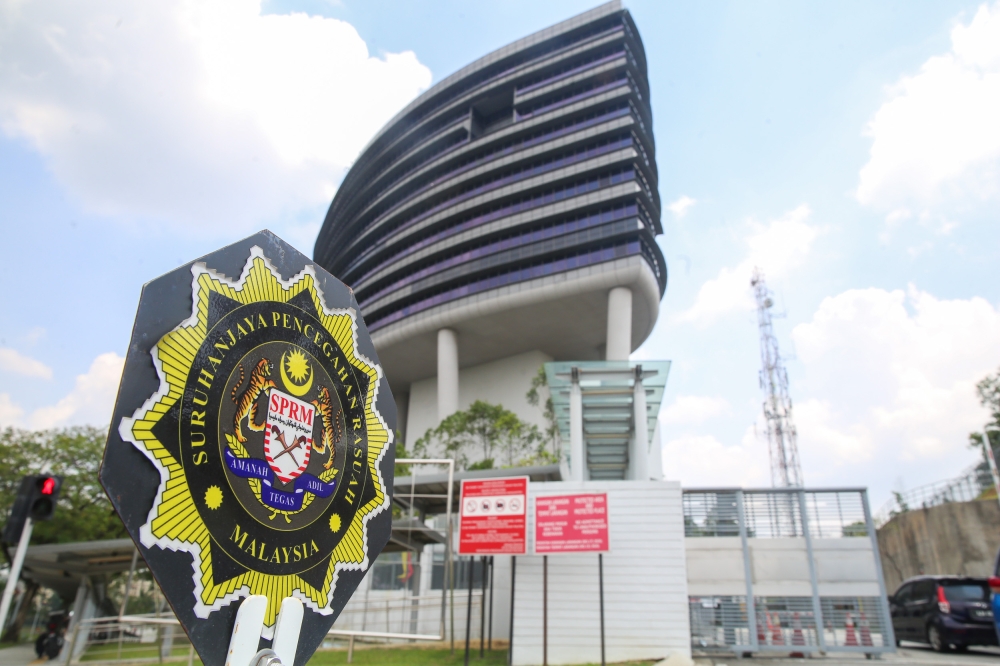
The Malaysian Anti-Corruption Commission is amplifying its technological defences against an evolving threat landscape where digital manipulation has become a potent tool for obscuring financial crimes. As artificial intelligence makes it increasingly feasible to create convincing yet entirely fabricated video and audio evidence, the MACC recognises it must evolve beyond traditional investigative methods to maintain effectiveness in corruption cases that increasingly rely on digital records and electronic communications.
This modernisation effort reflects a broader recognition across law enforcement agencies that deepfakes and manipulated media pose genuine risks to criminal proceedings. When suspects or witnesses can plausibly argue that incriminating footage has been artificially generated, it complicates prosecution strategies and potentially undermines legitimate evidence. The MACC's investment in forensic capabilities addresses this challenge head-on, enabling investigators to authenticate digital materials and expose fabrications that might otherwise deceive courts or public discourse.
The commission's approach encompasses multiple technological dimensions. Digital forensics specialists now require training in detecting subtle artefacts that characterise AI-generated content—visual irregularities in deepfake videos, acoustic anomalies in synthetic speech, and metadata inconsistencies in manipulated documents. This represents a significant departure from conventional investigation techniques that focused primarily on financial trail analysis and witness testimony.
For Malaysian readers, this development carries immediate relevance. Corruption cases at federal and state levels increasingly involve digital evidence—bank transfers, encrypted communications, cloud storage files, and multimedia content. As sophistication in document forgery and video manipulation advances, the risk of criminals deploying deepfakes to deny involvement in misconduct or incriminate rivals grows proportionally. The MACC's capability building directly impacts whether high-profile cases can withstand judicial scrutiny and public confidence in outcomes.
The Southeast Asian context matters significantly here. Across the region, corruption investigations involving government officials, corporate executives, and connected individuals have demonstrated how digital manipulation serves obstructive purposes. Neighbouring countries have encountered cases where suspect evidence authenticity became a pivotal defence argument. By equipping itself with detection capabilities before deepfake deployment becomes widespread in Malaysian investigations, the MACC positions itself ahead of the technological curve rather than perpetually catching up to criminal innovation.
Implementing this capability requires sustained investment beyond initial infrastructure acquisition. Forensic analysts need continuous professional development as AI technology evolves. The commission must establish partnerships with technology providers, academic institutions, and international law enforcement bodies to access cutting-edge tools and methodologies. This institutional approach ensures the MACC maintains relevance rather than investing in solutions that become obsolete within years.
The broader implications extend to prosecutorial strategy. When defence counsel can credibly suggest evidence tampering, courts must assess authenticity thoroughly before admitting materials. The MACC's forensic reports now carry greater evidentiary weight if they can demonstrate through rigorous analysis that questioned evidence is authentic or identify specific manipulation techniques employed. This strengthens the commission's position in adversarial proceedings where technical sophistication increasingly matters.
Public confidence in anti-corruption efforts depends partly on transparency regarding investigative methods. When citizens understand that authorities employ advanced technology to verify evidence authenticity, it reinforces faith in institutional integrity. Conversely, if the MACC appears technologically deficient relative to criminal capability, public perception of institutional weakness follows. This capability building is therefore partly about defending the commission's credibility and legitimacy.
Challenges remain considerable. Not all deepfakes carry obvious markers of artificial generation. Some synthetic content successfully mimics authentic materials closely enough to deceive both human observers and algorithmic detectors. The MACC must therefore maintain healthy institutional humility about what its forensic tools can definitively prove versus what they can reasonably suggest. Presenting uncertain findings with unwarranted confidence invites justified criticism and potential case dismissals on technical grounds.
The financial dimensions warrant consideration. Acquiring and maintaining forensic equipment requires budgetary allocation that competes with other operational needs. Training specialists demands both recruitment and retention of technically skilled personnel—a competitive market where technology companies often offer superior compensation. Sustaining this capability requires institutional commitment beyond initial investment enthusiasm.
International cooperation becomes essential as digital crimes transcend borders. Deepfakes created in one jurisdiction may feature in Malaysian cases; similarly, forensic expertise developed domestically can contribute to regional law enforcement collaboration. The MACC's capability enhancement potentially positions Malaysia as a regional leader in digital forensics, capable of assisting neighbours facing similar challenges with synthetic media proliferation.
Looking forward, the MACC's investment reflects realistic assessment that corruption increasingly manifests through digital channels. As criminals leverage advancing technology for concealment and obstruction, anti-corruption institutions must match sophistication levels. This upgrade ensures Malaysia's primary corruption-fighting agency remains credible and effective in an environment where technological literacy determines investigative success.

