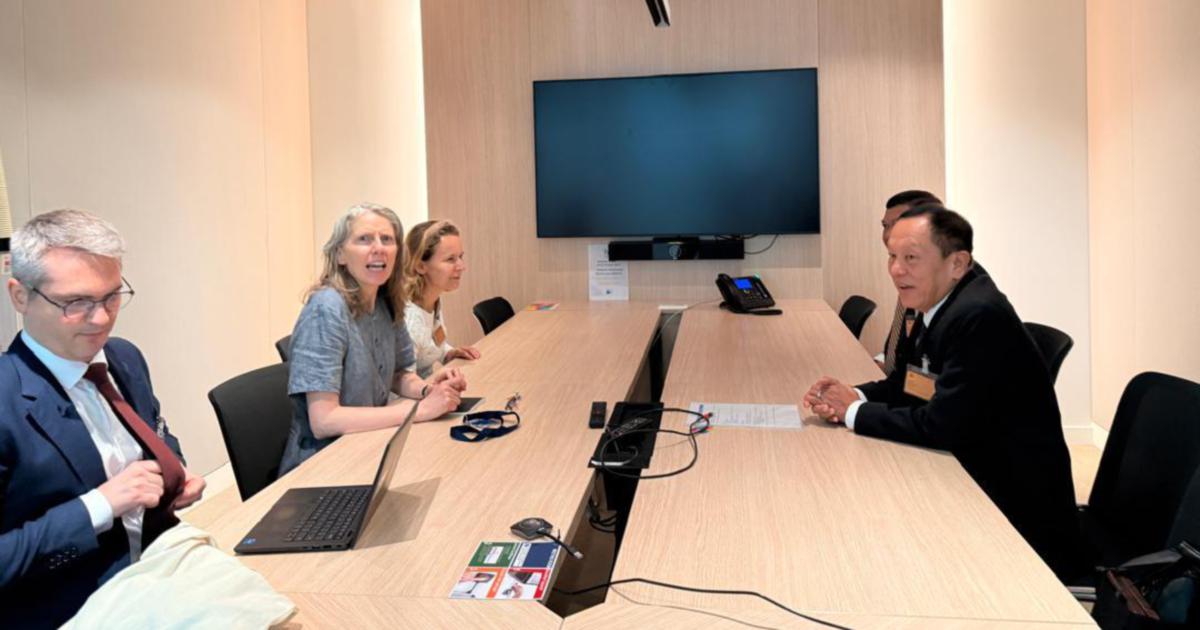
Malaysia has stepped onto the international anti-corruption stage by presenting its experience recovering assets connected to 1Malaysia Development Bhd (1MDB) at a high-level meeting of the Organisation for Economic Co-operation and Development in Paris. The Malaysian Anti-Corruption Commission (MACC) used the forum to exchange knowledge and strategies with other nations grappling with cross-border financial misconduct, positioning the country as a source of practical expertise in one of the world's most complex financial crime cases.
The 1MDB scandal, which unravelled over the past decade, represented one of the largest kleptocratic schemes in modern history. What began as an ambitious sovereign wealth fund transformed into a vehicle for embezzlement that ultimately implicated senior government officials, international banks, and networks of business intermediaries across multiple continents. The sheer scale—billions of dollars spirited away through layers of shell companies and fraudulent transactions—meant that recovering even a portion of the stolen wealth required coordinating with foreign counterparts, navigating jurisdictional complexities, and building watertight cases against sophisticated financial actors.
The MACC's presentation at the OECD gathering carries significance beyond symbolic value. International cooperation on asset recovery remains notoriously difficult, hampered by divergent legal systems, competing national interests, and the technical challenge of tracing funds through international banking channels. Malaysia's practical experience demonstrates that persistence and strategic coordination can yield results. Over several years, Malaysian authorities have successfully retrieved substantial sums through mutual legal assistance treaties, freeze orders, and enforcement actions in jurisdictions ranging from Switzerland to Singapore to the United States. These victories did not come easily; they required building relationships with foreign law enforcement agencies, understanding their legal frameworks, and crafting cases that satisfied multiple legal systems simultaneously.
For Southeast Asian nations grappling with their own corruption challenges, Malaysia's journey offers both hope and instruction. The region has witnessed numerous instances of high-level financial misconduct, yet actual recovery of stolen assets remains rare. Countries across ASEAN often lack the investigative sophistication, international reach, or political will to pursue complex cross-border cases. The MACC's presence at the OECD forum signals that at least one regional player has developed institutional capacity and technical expertise that merits international recognition. This positioning strengthens Malaysia's role as a potential partner for other developing nations seeking to improve their anti-corruption capability.
The OECD platform itself reflects the increasing internationalisation of anti-corruption work. The organisation, which brings together 38 developed and developing member countries, has established conventions and working groups focused on combating bribery and corruption. These forums allow national agencies to establish peer networks, share best practices, and develop common standards. For MACC officials, participation demonstrated commitment to global standards and positioned Malaysia within international anti-corruption governance structures. However, the agency's insights carry greater weight because they stem from actual enforcement experience rather than theoretical frameworks.
Among the practical lessons Malaysia could impart to counterparts in Paris is the importance of civil asset recovery mechanisms that operate alongside criminal prosecution. The 1MDB case involved both criminal charges against individuals and parallel efforts to recover assets through civil forfeiture and international mutual assistance procedures. Civil proceedings often move more swiftly and require a lower burden of proof than criminal cases, allowing authorities to freeze and seize proceeds even when criminal convictions remain pending. This approach proved vital in halting the movement of 1MDB funds and preserving assets for eventual return to Malaysia. Other nations, particularly those with less developed legal systems, can benefit from understanding how civil and criminal tools complement each other in comprehensive recovery strategies.
Another dimension worth highlighting is the critical role of transparency in financial institutions. The 1MDB affair exposed how major international banks failed to conduct adequate due diligence on high-risk clients and transactions, despite red flags that should have triggered scrutiny. Malaysia's recovery efforts benefited from investigative cooperation with foreign financial institutions and regulators who, once the scandal became public, assisted authorities in untangling suspicious transaction flows. This underscores the value of robust anti-money laundering frameworks, Know Your Customer protocols, and regulatory oversight. At the OECD meeting, such institutional lessons would resonate with representatives from countries seeking to strengthen financial integrity.
The political context surrounding Malaysia's presentation also merits consideration. The 1MDB scandal damaged the country's international reputation and contributed to the downfall of a long-serving government in 2018. In the years since, multiple administrations have pursued accountability and recovery with variable intensity. By presenting 1MDB recovery at an international forum, current Malaysian authorities signal commitment to combating corruption and engaging constructively with the global anti-corruption community. This narrative repositioning matters for a nation working to restore investor confidence and demonstrate institutional stability.
Looking forward, Malaysia's engagement with OECD anti-corruption initiatives could yield mutual benefits. International organisations increasingly recognise that developing countries often have limited resources and institutional capacity for tackling sophisticated financial crimes. By sharing methodologies, case studies, and lessons learned, countries like Malaysia help raise global standards while building partnerships that strengthen their own enforcement capabilities. The OECD provides a platform for such knowledge exchange, and Malaysia's participation reflects the reality that effective anti-corruption work depends on international collaboration rather than isolated national efforts.
For Malaysian observers, the MACC's presence in Paris symbolises a broader institutional maturation. Two decades ago, few would have imagined the country's anti-corruption agency presenting lessons to the OECD. The transformation reflects painful experience, institutional investment, and commitment to learning from one of the nation's most costly scandals. While recovery of 1MDB assets will likely continue for years, and questions remain about accountability for all those implicated, Malaysia's emergence as a voice in international anti-corruption dialogue represents a modest but genuine gain from the wreckage of the scandal.

