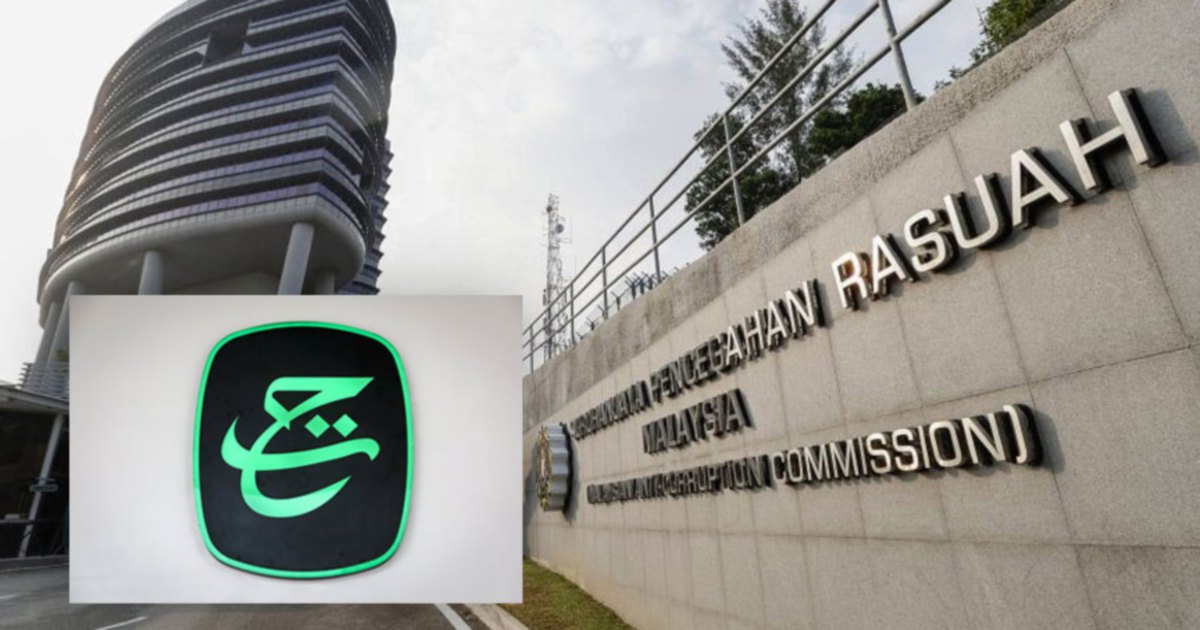
Momentum is building in the anti-corruption drive targeting Tabung Haji following the completion of a Royal Commission of Inquiry. The Malaysian Anti-Corruption Commission has identified the fund's former chief executive officer as a priority figure in its investigation, with plans to bring him in for questioning in the coming weeks. The move represents the next phase in what has become an increasingly rigorous examination of governance failures and potential misconduct at the institution responsible for managing Malaysia's pilgrimage savings.
The RCI report, which examined systemic issues within Tabung Haji, has provided the MACC with a roadmap for further investigation. Rather than functioning as a final verdict, the commission's findings have effectively opened new avenues for law enforcement to pursue, with the former CEO appearing prominently in the commission's assessment of accountability. The MACC's forthcoming summons suggests investigators have identified specific areas of concern warranting direct examination of the former leader's decision-making and oversight during his tenure.
Tabung Haji's recent history has been marked by significant challenges, including financial difficulties and governance concerns that prompted the establishment of the Royal Commission in the first place. The institution, which operates under a mandate to assist Muslim Malaysians save for the Hajj pilgrimage, had faced mounting scrutiny over how it managed pilgrim contributions and deployed those resources. The appointment of a royal commission signalled the seriousness with which the government regarded the problems, indicating that routine audits and internal reviews had failed to adequately address underlying issues.
For Malaysian pilgrims and their families, the investigation carries personal weight. Tabung Haji holds the accumulated savings of hundreds of thousands of Malaysians who contribute regularly toward their pilgrimage plans. Any governance failures or potential misconduct at the institution directly affects the security of these funds, making the MACC's intervention a matter of significant public interest. The credibility of the institution depends substantially on demonstrable accountability for whatever errors or irregularities may have occurred under previous management.
The focus on the former CEO does not necessarily indicate sole responsibility. Royal commissions typically examine broad organisational dynamics rather than attributing fault to individuals. However, the MACC's investigative approach necessarily concentrates on specific decision-makers whose actions may have contributed to identified problems. The former chief executive, having occupied the highest operational position during a critical period, naturally becomes a central figure in such inquiries. The commission likely detailed key decisions, approvals, and oversights that now warrant examination through the lens of potential corruption or misconduct.
Questions of governance accountability in Malaysian institutions have gained increasing prominence in recent years. The MACC's willingness to pursue former executives suggests a firmer commitment to holding senior officials responsible for institutional performance, a shift that extends beyond Tabung Haji. This investigation may establish precedent regarding expectations for institutional leadership and the consequences of inadequate stewardship of public or quasi-public assets. Southeast Asian observers have often noted that strengthening accountability mechanisms at major institutions remains essential for building investor and public confidence.
The timing of the MACC summons, following formal completion of the RCI process, indicates a coordinated progression between the inquiry and enforcement phases. The commission's findings likely provide sufficient evidentiary foundation for the MACC to conduct substantive questioning rather than exploratory interviews. This sequential approach, where an independent inquiry precedes law enforcement action, reflects institutional best practices and helps ensure that any subsequent action rests on thoroughly documented findings.
Industry observers expect the former CEO's testimony to either clarify apparent discrepancies identified in the RCI report or provide additional context for decisions made during his leadership. His account of strategic choices, budget allocations, and risk management decisions will likely form a critical component of the MACC's broader assessment. Whether other former or current officials may face similar scrutiny remains to be determined, though the commission's comprehensive examination suggests the investigation may eventually extend beyond a single individual.
For Tabung Haji's current leadership and operations, the MACC investigation represents an opportunity to demonstrate institutional commitment to reform. Cooperative engagement with the anti-corruption commission, combined with transparent implementation of any recommended governance improvements, can help rebuild stakeholder confidence. The institution faces the substantial task of managing its financial rehabilitation while simultaneously navigating the institutional damage caused by revelations of governance shortcomings.
The Malaysian Anti-Corruption Commission's investigative timeline and scope remain undisclosed, though officials have signalled that the questioning will proceed methodically. Stakeholders including pilgrims, fund contributors, and relevant government ministries are watching closely to see whether the investigation yields substantive findings and whether identified problems lead to meaningful institutional reforms. The investigation's outcome may influence how other Malaysian state-linked institutions approach governance and risk management, making the process consequential beyond Tabung Haji alone.

