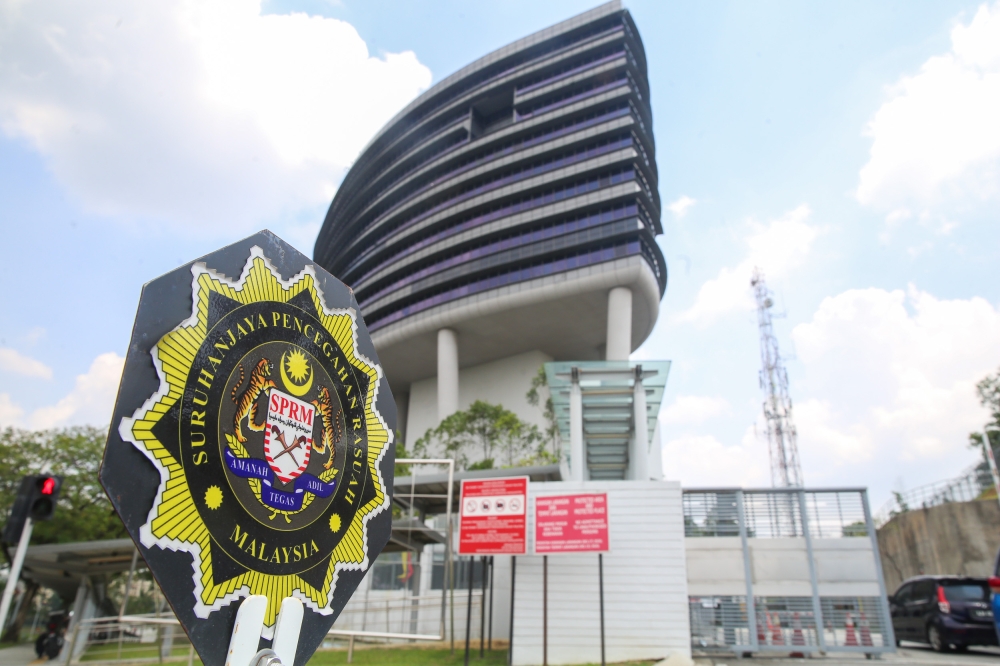
The Malaysian Anti-Corruption Commission has intensified pressure on federal ministry leadership to establish comprehensive safeguards for whistleblowers, positioning protection mechanisms as a cornerstone of the nation's strategy to elevate its standing in international corruption perception surveys. The directive underscores a growing recognition within Malaysia's anti-corruption apparatus that institutional cultures encouraging confidential reporting are directly linked to improved governance metrics and investor confidence.
Whistleblower protection has emerged as a critical focal point in Malaysia's broader anti-corruption agenda, particularly as the country seeks to strengthen its Corruption Perception Index position. The MACC's appeal to secretaries-general across the federal administration signals that without formal safeguards and established channels for secure reporting, public sector entities may remain blind to systemic irregularities occurring within their own structures. This gap in institutional transparency not only hampers internal investigations but also skews external assessments of Malaysia's commitment to combating graft.
The timing of this intervention reflects Malaysia's strategic positioning within the region and globally. Countries that successfully implement whistleblower frameworks typically see measurable improvements in corruption perception indices because greater reporting leads to higher detection rates and more visible enforcement action. The visible pursuit of cases through robust internal channels demonstrates institutional integrity to international observers and rating agencies. For Malaysia, which competes with regional peers for foreign direct investment and international partnerships, incremental improvements in corruption perception standings carry tangible economic consequences.
Ministry secretaries-general occupy pivotal positions in determining whether whistleblower protection becomes operational reality or remains aspirational policy. These senior officials control resource allocation, communication infrastructure, and organisational culture within their respective ministries. Without their active commitment to establishing anonymous reporting channels, ensuring non-retaliation policies, and building trust among staff members, even well-intentioned national legislation protecting whistleblowers remains largely ineffective. The MACC's direct appeal acknowledges that top-down institutional leadership is non-negotiable for meaningful implementation.
Malaysia's existing whistleblower protection framework, while formally codified, has struggled with enforcement and awareness gaps across the public sector. Many civil servants remain uncertain about reporting procedures, fear retaliation despite legal protections, or doubt that their disclosures will lead to meaningful action. These implementation deficits create what researchers term a "disclosure gap" — the difference between the number of suspected violations and the number actually reported through official channels. Addressing this gap requires more than legislation; it demands cultural transformation that only ministry leaders can champion.
The connection between whistleblower protection and CPI rankings reflects how international perception indices measure not merely corruption prevalence but institutional responsiveness. Nations with transparent, functional reporting systems consistently receive higher scores because their corruption statistics reflect reality rather than underreporting. Conversely, countries with weak whistleblower protections appear artificially clean because violations remain hidden. This paradoxical relationship means Malaysia cannot meaningfully improve its CPI position without simultaneously making its institutions more transparent and responsive to internal dissent.
For Malaysian businesses and economic competitiveness, this development carries practical implications. Foreign investors scrutinise governance metrics when assessing investment risk. A nation perceived as having weak corruption detection and reporting mechanisms signals higher governance risk, potentially affecting capital flows, insurance premiums, and partnership terms. By strengthening whistleblower protections, Malaysia signals to global investors that its institutions have visibility into operational realities and capacity to address violations — a message that enhances rather than diminishes economic attractiveness.
Regional context matters significantly here. Several Southeast Asian economies have made notable strides in anti-corruption perception rankings through targeted whistleblower initiatives. These countries have discovered that investment in protection mechanisms, anonymous hotlines, and dedicated investigative units yields measurable returns in international assessments. Malaysia's awareness of regional progress appears to have catalysed this renewed emphasis on whistleblower frameworks as a strategic priority rather than an administrative formality.
Implementation challenges remain substantial. Public sector employees in Malaysia's heavily hierarchical bureaucracy may hesitate to report superiors, fearing career consequences despite formal protections. Institutional cultures that have historically emphasised deference to authority and internal loyalty do not transform through directive alone. The MACC's call to ministry secretaries-general implicitly acknowledges that these leaders must actively dismantle psychological barriers to reporting, not merely formalise channels. This requires sustained effort in staff training, visible leadership commitment, and transparent handling of reported cases.
The broader significance extends beyond corruption statistics. Functional whistleblower systems strengthen public sector accountability across multiple dimensions — financial management, policy implementation, workplace safety, and adherence to established procedures. By encouraging reporting of violations, ministries gain better information about operational gaps and systemic weaknesses, enabling more targeted reforms. This information-gathering function serves governance improvement objectives independent of any corruption perception index considerations.
For Malaysia's anti-corruption trajectory, this moment represents a critical juncture. The MACC's explicit linkage between whistleblower protection and CPI aspirations frames institutional transparency as an economic and diplomatic priority, not merely a compliance obligation. If ministry leaders respond substantively to this call, Malaysia could see measurable progress in corruption perception metrics within two to three years. However, if this intervention remains rhetorical, the persistent disconnect between formal protection policies and actual organisational cultures will continue constraining the nation's governance standing and international reputation.

