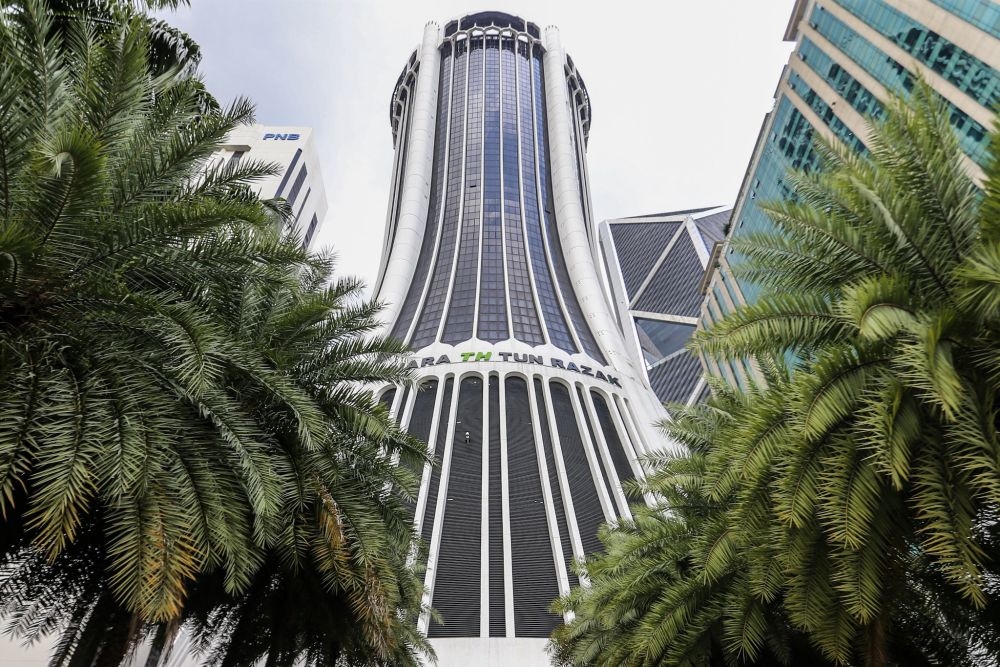
Malaysia's enforcement machinery has shifted into high gear following the release of a Royal Commission of Inquiry report detailing suspected irregularities at Tabung Haji, the pilgrimage fund that manages billions of ringgit in savings for millions of Muslim Malaysians. The Malaysian Anti-Corruption Commission, Royal Malaysia Police, and Inland Revenue Board have all moved to expand their investigative efforts, signalling a coordinated approach to examining the allegations that have shaken public confidence in one of the nation's most significant financial institutions.
The RCI's findings, which emerged after months of public hearings and evidence gathering, painted a troubling picture of governance failures and questionable financial dealings within Tabung Haji. The convergence of three major investigative bodies on the matter underscores the seriousness with which authorities now regard the allegations and the potential scale of misconduct that may have occurred. For many Malaysians, particularly the approximately 9 million contributors whose retirement and pilgrimage funds are held by the institution, the stepped-up investigations offer both reassurance that wrongdoing will be pursued and anxiety about what additional revelations may emerge.
The MACC's involvement reflects concerns that corruption may have played a role in the alleged irregularities, suggesting that individuals in positions of authority may have abused their posts for personal gain or benefited third parties improperly. The anti-corruption body has substantial powers to compel testimony and examine financial records, making it a natural focal point for determining whether criminal misconduct occurred. Their expanded investigation likely involves tracing fund flows, examining decision-making processes around major investments and transactions, and identifying those responsible for approving questionable initiatives.
Police engagement in the probe introduces the dimension of potential criminal liability beyond corruption charges. The involvement of uniformed law enforcement suggests investigators are examining whether actions constituted offences under the Penal Code or other criminal statutes, ranging from breach of trust to fraud. This multi-agency approach allows different aspects of suspected wrongdoing to be pursued under the legal framework most appropriate to each violation, maximizing the prospect of successful prosecution.
The Inland Revenue Board's participation highlights suspicions that tax obligations may have been circumvented or that undisclosed income became relevant to understanding financial flows within or connected to Tabung Haji. The IRB's role in the investigation may involve verifying tax compliance by individuals and entities involved in questioned transactions, or ensuring that any gains made through irregular dealings are properly accounted for in the tax system.
For Malaysian citizens who depend on Tabung Haji for retirement security and who view contributing to the fund as both a financial necessity and a religious duty, the scandal represents a profound betrayal of trust. The fund's historical purpose—to provide affordable financing and savings mechanisms for pilgrims undertaking the Hajj—carries deep cultural and religious significance, making any misuse of contributed funds particularly damaging to public confidence. That ordinary Malaysians' savings may have been misappropriated or invested recklessly strikes at the heart of social contract and institutional legitimacy.
The investigation's scope likely encompasses decisions regarding controversial property acquisitions, investment ventures that generated poor returns or raised conflict-of-interest concerns, and management practices that departed from prudent financial stewardship. The RCI's preliminary findings would have identified specific transactions or patterns warranting deeper criminal investigation, providing enforcement agencies with clear leads to pursue. The convergence of MACC, police and IRB activity suggests authorities are moving simultaneously on multiple fronts rather than waiting for sequential investigations to conclude.
Regionally, Malaysia's handling of the Tabung Haji matter carries implications for how other Southeast Asian nations manage sovereign wealth funds and institutions managing collective savings. The investigation's thoroughness and any subsequent prosecutions will signal whether the country's institutions possess sufficient independence and teeth to hold powerful figures accountable, or whether political pressure and connections can shield wrongdoers from consequences. This dimension is particularly significant given Malaysia's efforts to rebuild institutional credibility following recent corruption scandals.
The coordinated investigative effort also reflects lessons learned from previous high-profile cases where fragmented agency responses allowed suspects to evade accountability or evidence to slip through institutional gaps. By deploying multiple investigative bodies simultaneously, authorities aim to prevent sophisticated actors from exploiting procedural vulnerabilities or jurisdictional ambiguities. The three-agency approach signals that Malaysia's institutions have internalized the importance of coordination when investigating complex financial crimes.
As investigations deepen, further revelations will likely emerge regarding individuals involved in decision-making and the full extent of financial losses or misappropriation. The coming weeks and months will prove critical in determining whether the investigation translates into concrete charges and prosecutions or whether it becomes another inquiry that generates findings without meaningful accountability. For millions of Malaysians who entrusted Tabung Haji with their savings, the investigation's momentum and ultimate conclusions will substantially shape their confidence in the institution's future and their willingness to continue contributing.

