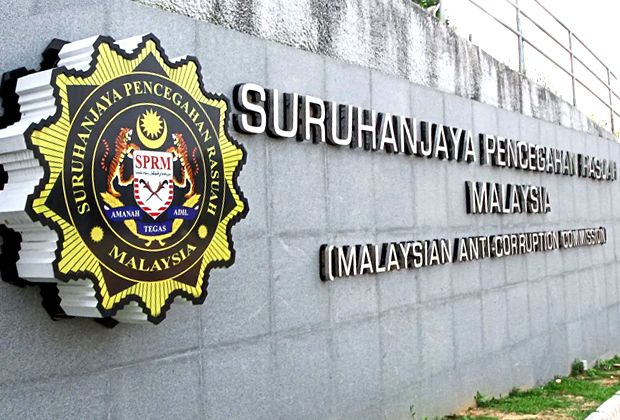
The Malaysian Anti-Corruption Commission has rescinded freezing and seizure orders that had been placed on the financial accounts of Rohas Tecnic and its power transmission subsidiary HGPT, according to a stock exchange filing released today. The revocation represents a significant development for the listed infrastructure company, which had faced restrictions on its banking facilities following MACC action in mid-October of last year.
In a statement to Bursa Malaysia, Rohas Tecnic confirmed that all previously frozen accounts belonging to the corporate entities and individual officers have now been unfrozen and released. The company, which specializes in manufacturing towers for power transmission and telecommunications infrastructure, indicated that it can now proceed with routine financial operations without the constraints that had been imposed. The revocation orders extend to the personal bank accounts of both current and former officers of HGPT, the company's subsidiary engaged in tower manufacturing and related services.
The enforcement action had originated in mid-October 2025, when Rohas Tecnic announced that it and two subsidiaries—HGPT and Rohas-Euco Industries Bhd—had received simultaneous freezing and seizure orders from the MACC under the Anti-Money Laundering, Anti-Terrorism Financing and Proceeds of Unlawful Activities Act 2001. These orders had restricted access to certain designated bank accounts held by the companies, creating operational challenges for the organization during a critical period for infrastructure procurement and project management.
The legal instrument used by authorities—Section 50(1) of AMLA—grants the MACC authority to seize proceeds of unlawful activities during the course of investigations. The original seizure orders had been issued under this provision, suggesting that investigators believed there were reasonable grounds to suspect involvement in financial misconduct or irregular transactions. For a company dependent on steady cash flow for project delivery and vendor payments, such restrictions can impose immediate operational strain.
The reversal of these measures came through multiple revocation orders issued between late November and early December. HGPT received its formal revocation notice from the Deputy Public Prosecutor under Section 50(1) of AMLA, while Rohas-Euco Industries obtained separate relief through MACC revocation orders issued under Section 44A of AMLA. This staggered approach to lifting restrictions, covering different legal provisions, suggests that authorities had been separately reviewing the justification for each seizure order.
For Malaysian investors and industry observers, the lifting of these orders carries implications for corporate governance and regulatory scrutiny in the infrastructure sector. Tower manufacturers and power transmission equipment suppliers operate within a regulated environment requiring strict compliance with foreign exchange regulations, project financing transparency, and procurement standards. The MACC's decision to revoke the orders indicates that upon closer examination, investigators determined insufficient grounds to maintain the financial restrictions, or that the investigation had reached conclusions that no longer warranted asset seizure.
Rohas Tecnic operates in a strategically important sector, with Malaysian infrastructure development dependent on reliable domestic capacity in tower manufacturing. The company supplies critical components to power utilities and telecommunications providers across the region. Extended restrictions on its financial operations could have cascading effects on supply chains and project timelines, making the prompt resolution of this regulatory matter significant for both the company and its downstream clients.
The revocation of seizure orders does not necessarily indicate exoneration from any alleged wrongdoing, but rather reflects a change in the legal justification for maintaining asset freezes during an investigation. In Malaysian anti-corruption practice, such reversals often occur when investigators have gathered sufficient information to proceed differently, when evidence review suggests the original grounds were insufficient, or when legal counsel determines that continued restrictions lack procedural foundation.
For the company's stakeholders, including suppliers, employees, and project partners, the restoration of normal banking operations provides certainty about continued business continuity. Infrastructure projects cannot absorb extended financial constraints without serious delays, cost escalations, and reputational damage. The release of frozen accounts allows Rohas Tecnic to meet vendor obligations, manage payroll, and maintain project schedules that depend on timely fund deployment.
This development also reflects the broader tensions in Malaysian corporate regulation, where the MACC's expansive investigatory powers—while necessary for addressing corruption—can create significant disruption to legitimate business operations when exercised. The commission's willingness to revoke orders when circumstances warrant demonstrates procedural responsiveness, though it also underscores the importance of precision in the initial application of such powerful enforcement tools.
Moving forward, the company will likely focus on rebuilding operational momentum and addressing any lingering reputational concerns with major clients and project sponsors. Infrastructure contracts often include provisions sensitive to regulatory entanglement or financial instability of suppliers, making the swift resolution of this matter commercially valuable. The stock exchange announcement serves as formal notice to investors that the company's capacity to execute its business plan has been substantially restored.

