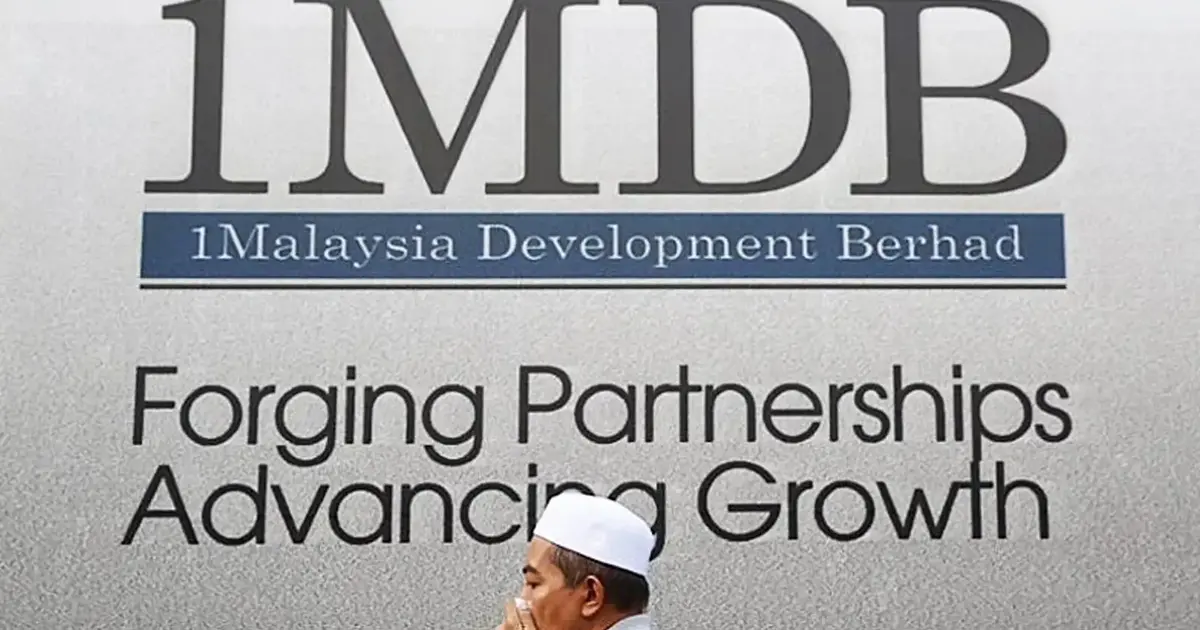
The Malaysian Anti-Corruption Commission has opened a formal investigation into a portfolio of overseas properties valued at RM59 million that authorities allege are connected to the sprawling 1MDB financial scandal. MACC chief Abd Halim Aman disclosed the development, confirming that the agency is pursuing multiple angles including possible corruption offences, money laundering schemes, and asset recovery procedures stemming from allegations involving luxury residential holdings.
The announcement represents a fresh chapter in the ongoing efforts to reclaim assets dispersed during the infamous 1Malaysia Development Berhad fiasco, which unravelled in 2015 to reveal one of the world's largest corruption cases. The properties under scrutiny form part of a broader pattern of wealth accumulation that investigators believe masks illicit fund flows diverted from Malaysia's sovereign wealth fund during the administration of former Prime Minister Najib Razak.
The timing of this investigation underscores the MACC's commitment to pursuing cases that extend beyond Malaysia's borders. Tracing and recovering assets hidden overseas has proven exceptionally complex, requiring coordination with international law enforcement agencies and navigating disparate legal frameworks across multiple jurisdictions. The RM59 million valuation indicates that the properties represent substantial holdings, likely concentrated in premium real estate markets known to attract high-net-worth individuals seeking to shield wealth from scrutiny.
Malaysian authorities have spent years dismantling the intricate web of financial arrangements connected to 1MDB. Criminal prosecutions have already resulted in convictions of several individuals, while civil suits and asset seizure proceedings continue across various countries. This property investigation suggests that investigators have identified additional layers of concealment that previous inquiries may have overlooked or lacked sufficient evidence to pursue.
The investigation's focus on both corruption and money laundering charges reflects the complexity of how 1MDB funds were allegedly distributed. Corruption charges would target individuals who may have facilitated the diversion of public funds, while money laundering allegations would address how those funds were subsequently cleaned and integrated into legitimate asset purchases. Asset recovery provisions allow authorities to pursue civil remedies to return misappropriated wealth to the Malaysian state.
For Malaysian readers, the significance extends beyond merely recovering funds. The investigation demonstrates that despite the passage of time since 1MDB's collapse, authorities continue to pursue accountability systematically. This persistence sends a message about the government's commitment to combating grand corruption, though critics have noted that enforcement efforts have proceeded at an uneven pace depending on political dynamics and international pressure.
The overseas dimension of these properties poses particular challenges for Malaysian authorities. Cooperation from host countries is essential for accessing information, freezing assets, and ultimately recovering funds. Some jurisdictions have proven more cooperative than others, and jurisdictional complications mean that even when wrongdoing is evident, technical legal obstacles can impede recovery efforts.
The 1MDB scandal has had enduring ramifications for Malaysia's international standing and investor confidence. While substantial sums have been recovered through various settlements and prosecutions, continuing investigations keep public attention focused on the need for systemic reforms in governance and financial oversight. The MACC's expanded investigation signals that the scandal's full extent may still be incompletely understood.
Abdul Halim's confirmation of this investigation also reflects evolving sophistication in how Malaysian anti-corruption authorities approach major cases. Rather than proceeding through traditional criminal pathways alone, the multi-pronged approach combining corruption, money laundering, and asset recovery mechanisms reflects best practices in international anti-corruption work. This holistic strategy improves the likelihood of successfully returning misappropriated assets even when criminal prosecutions face procedural obstacles.
The investigation's progression will likely unfold over an extended period. Tracing property ownership through corporate intermediaries, establishing beneficial ownership, proving the illicit source of funds, and navigating foreign legal systems typically requires years of meticulous investigative work. During this time, the properties themselves may face freezing orders or seizure proceedings.
For Southeast Asia more broadly, the continuing 1MDB-related investigations highlight the region's vulnerability to large-scale financial crimes and the transnational nature of corruption networks. The case has become emblematic of how sophisticated actors can exploit regulatory gaps across multiple jurisdictions to conceal stolen wealth. Malaysia's persistence in pursuing such cases provides a regional example of accountability mechanisms in action, though observers note that success rates in recovering assets remain disappointingly low relative to the sums diverted.
The MACC's latest move also reflects international pressure on Malaysia to demonstrate serious commitment to anti-corruption efforts. Such investigations generate diplomatic leverage and maintain engagement with foreign authorities who possess crucial information and control asset locations. As 1MDB investigations enter their second decade, sustained effort signals that Malaysia remains serious about final accountability regardless of political transitions.

