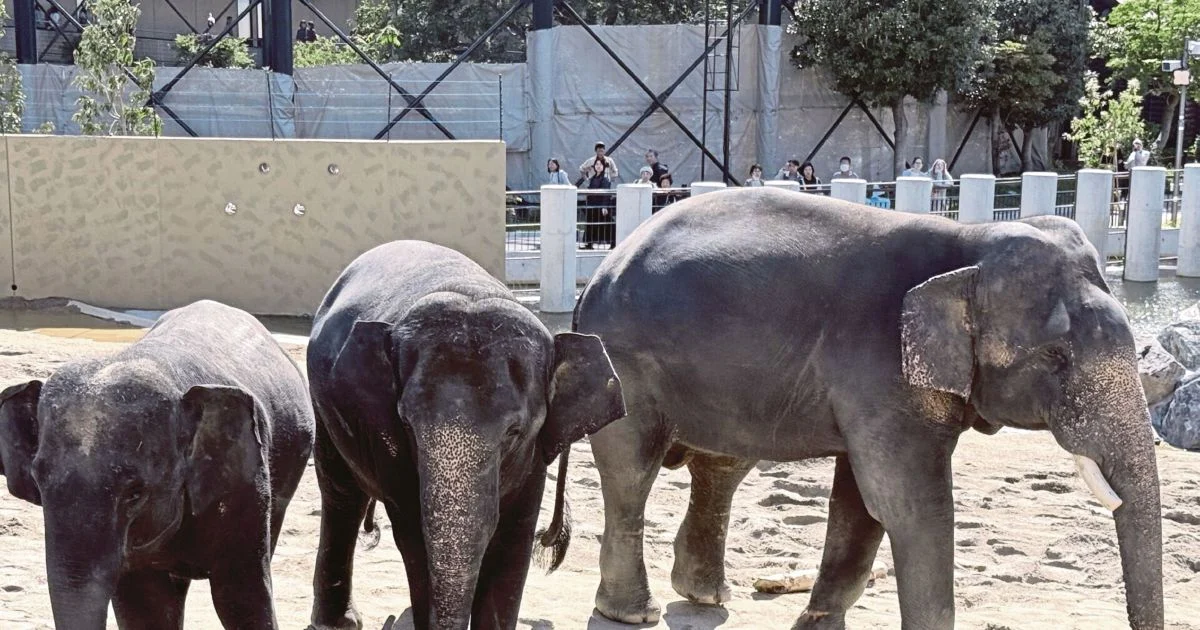
The Malaysian Anti-Corruption Commission has initiated a formal investigation into the circumstances surrounding the transfer of three Asian elephants from Zoo Taiping to the Tennoji Zoo in Osaka, Japan. The move marks a significant escalation in scrutiny over the arrangement, which had previously drawn public attention and concern from wildlife advocates who questioned both the necessity and propriety of the decision to send the animals abroad.
The Perak-based Zoo Taiping, one of Malaysia's oldest zoological facilities, has long been a key institution for wildlife conservation and public education in the country. The decision to part with three of its elephant residents represents a notable development in the management practices of the facility, particularly given the cultural and conservation significance of elephants within Malaysia. The transfer itself has prompted broader questions about how such major decisions are made within government-run attractions and whether appropriate consultation and approval processes were followed.
Tennoji Zoo in Osaka ranks among Japan's major zoological institutions and has maintained collaborative relationships with zoos across Asia. The choice of this particular Japanese facility as the destination for the three elephants suggests that arrangements had been negotiated between the institutions, though details regarding the motivations, financial terms, and decision-making hierarchy remain subjects of the ongoing investigation. Such international transfers of captive wildlife typically involve multiple stakeholders and regulatory considerations that extend beyond a simple agreement between two zoos.
The MACC's involvement signals that investigators are examining whether proper governance procedures were observed throughout the process. Questions under scrutiny likely include whether necessary approvals were obtained from relevant government departments, whether the decision prioritised institutional interests over animal welfare considerations, and whether financial or other inducements played a role in facilitating the arrangement. The commission's mandate to combat corruption and abuse of power positions it to examine whether public resources or authority were misused in orchestrating the transfer.
For Malaysian conservation advocates and animal welfare organisations, the investigation represents an opportunity to clarify the mechanisms by which major decisions affecting protected species are made within government facilities. Elephants hold particular significance in Malaysia both culturally and ecologically, and their status as iconic megafauna means that decisions regarding their management carry weight beyond routine zoo operations. The transfer has already prompted public discourse about whether such arrangements genuinely serve conservation objectives or whether they may be motivated by other considerations.
The investigation also reflects broader governance concerns that have gained prominence in Malaysia's public administration landscape. Zoo Taiping, as a state-level attraction, falls within institutional structures where oversight and transparency practices have periodically faced scrutiny. The MACC's decision to examine this specific transaction suggests that concerns raised by stakeholders or internal processes triggered the commission's interest in reviewing the decision-making chain and documentation surrounding the elephant transfer.
Within the Southeast Asian region, international wildlife transfers between institutions remain relatively common, with various justifications offered including breeding programme coordination, species conservation initiatives, and genetic diversity management. However, each such arrangement carries the potential for misalignment between stated conservation purposes and actual institutional or personal benefits. The Malaysian inquiry may therefore set precedent or provide benchmark practices for how neighbouring countries approach similar decisions involving protected species and public institutions.
The timing of the investigation also warrants consideration in the context of Malaysia's broader anti-corruption initiatives. In recent years, the MACC has expanded its scrutiny beyond traditional corruption categories to encompass governance failures and misuse of authority across diverse sectors. The elephant transfer case exemplifies this wider approach, examining institutional decision-making processes rather than focusing solely on direct financial impropriety.
For Zoo Taiping specifically, the investigation carries implications for institutional reputation and operational independence. The facility's ability to manage conservation initiatives and maintain international partnerships could be affected depending on investigation findings. Zoo management internationally depends significantly on collaborative relationships and perceived credibility with peer institutions, both of which may be jeopardised by prolonged scrutiny or findings of procedural irregularities.
The investigation's scope and eventual conclusions will likely inform future policies governing how Malaysian government institutions approach comparable decisions involving protected wildlife. Whether the transfer ultimately proceeds or is reversed, the inquiry process itself establishes expectations about transparency, consultation, and adherence to established procedures. This precedent-setting dimension extends the investigation's significance beyond the immediate circumstances of the three elephants to encompass broader governance frameworks affecting how Malaysia manages its natural heritage and government institutions.
%22%2F%3E%3C%2Fpattern%3E%3C%2Fdefs%3E%3Crect%20width%3D%22100%25%22%20height%3D%22100%25%22%20fill%3D%22url(%23ph4l4d9g)%22%2F%3E%3Crect%20width%3D%22100%25%22%20height%3D%22100%25%22%20fill%3D%22url(%23ph4l4d9p)%22%2F%3E%3Ctext%20x%3D%2250%25%22%20y%3D%2250%25%22%20text-anchor%3D%22middle%22%20dominant-baseline%3D%22central%22%20fill%3D%22rgba(255%2C255%2C255%2C0.95)%22%20font-family%3D%22Georgia%2C%20'Times%20New%20Roman'%2C%20serif%22%20font-weight%3D%22700%22%20font-size%3D%22170%22%20letter-spacing%3D%22-0.02em%22%3EBREAKING%3C%2Ftext%3E%3C%2Fsvg%3E)
%22%2F%3E%3C%2Fpattern%3E%3C%2Fdefs%3E%3Crect%20width%3D%22100%25%22%20height%3D%22100%25%22%20fill%3D%22url(%23ph4jm8ag)%22%2F%3E%3Crect%20width%3D%22100%25%22%20height%3D%22100%25%22%20fill%3D%22url(%23ph4jm8ap)%22%2F%3E%3Ctext%20x%3D%2250%25%22%20y%3D%2250%25%22%20text-anchor%3D%22middle%22%20dominant-baseline%3D%22central%22%20fill%3D%22rgba(255%2C255%2C255%2C0.95)%22%20font-family%3D%22Georgia%2C%20'Times%20New%20Roman'%2C%20serif%22%20font-weight%3D%22700%22%20font-size%3D%22320%22%20letter-spacing%3D%22-0.02em%22%3ELIVE%3C%2Ftext%3E%3C%2Fsvg%3E)
%22%2F%3E%3C%2Fpattern%3E%3C%2Fdefs%3E%3Crect%20width%3D%22100%25%22%20height%3D%22100%25%22%20fill%3D%22url(%23phgiwg)%22%2F%3E%3Crect%20width%3D%22100%25%22%20height%3D%22100%25%22%20fill%3D%22url(%23phgiwp)%22%2F%3E%3Ctext%20x%3D%2250%25%22%20y%3D%2250%25%22%20text-anchor%3D%22middle%22%20dominant-baseline%3D%22central%22%20fill%3D%22rgba(255%2C255%2C255%2C0.95)%22%20font-family%3D%22Georgia%2C%20'Times%20New%20Roman'%2C%20serif%22%20font-weight%3D%22700%22%20font-size%3D%22170%22%20letter-spacing%3D%22-0.02em%22%3EMalaysia%3C%2Ftext%3E%3C%2Fsvg%3E)