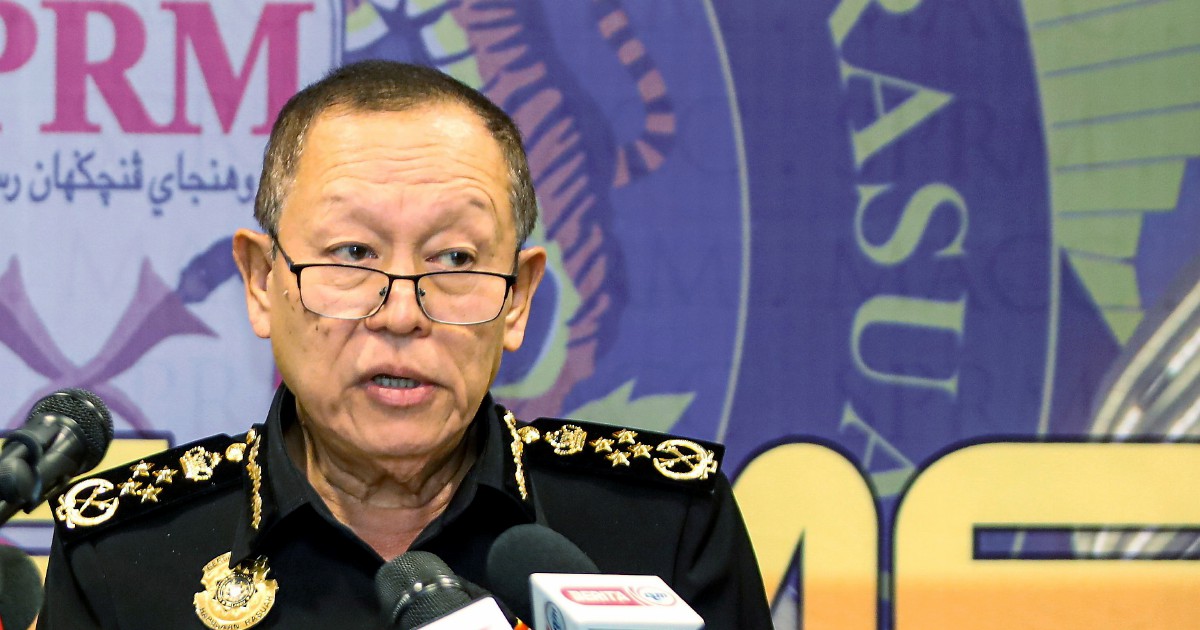
The Malaysian Anti-Corruption Commission (MACC) has formally commenced an investigation into suspected irregularities tied to a major RM80 million replanting initiative at Felda Palong 7, situated in Wilayah Raja Alias, Negeri Sembilan. The opening of an official investigation paper signals the anti-graft body's determination to examine potential misconduct in what represents a substantial allocation of resources within Malaysia's federal land development scheme.
Felda Palong 7 forms part of the broader Federal Land Development Authority network, which manages agricultural settlements across the country. The replanting project itself represents a significant renewal effort aimed at modernising palm oil production facilities and infrastructure within the settlement. Given the scale of the proposed investment, regulatory oversight of project disbursement and execution has become essential to ensuring public funds are deployed appropriately and in accordance with established procurement procedures.
The decision to initiate a formal investigation reflects mounting concerns about the manner in which this particular development initiative has been executed. Discrepancies identified in the project's administration have prompted the MACC to establish formal investigative channels, though specific details regarding the nature of these alleged irregularities remain under wraps as the probe progresses. Such caution is standard practice, as premature disclosure could compromise investigative integrity or prejudice ongoing fact-finding efforts.
For Felda beneficiaries and settler families dependent on Palong 7's operations, the investigation carries considerable weight. These communities have long relied on steady income from agricultural activities, and any misallocation of development funds directly impacts the quality of facilities, equipment, and services available to support their livelihoods. The replanting project was presumably designed to enhance productivity and sustainability, making transparent execution critical to delivering promised improvements.
This development arrives against a backdrop of heightened public scrutiny regarding governance within state-owned enterprises and statutory bodies managing Malaysia's agricultural sector. Recent years have witnessed intensified anti-corruption efforts across multiple agencies, with the MACC expanding its investigative capacity to address complex financial irregularities. The Palong 7 inquiry reflects this broader momentum toward greater accountability in public administration.
The MACC's involvement also underscores the commission's mandate to investigate potential offences under the Malaysian Anti-Corruption Act. Should the investigation substantiate allegations of misconduct, consequences could extend to criminal charges against individuals involved in project management, procurement decisions, or fund disbursement. Such outcomes would carry implications not only for those directly implicated but also for institutional protocols governing similar large-scale development ventures.
Negeri Sembilan, as the state hosting this investment, faces implications for its reputation in managing federal development programmes. The state has benefited substantially from Felda allocations over decades, positioning agricultural settlements as anchors of rural economic activity. Ensuring transparent and accountable execution of such projects remains vital to maintaining stakeholder confidence and securing future allocations for continued agricultural modernisation.
The investigation's timeline remains uncertain, as the complexity of examining financial flows across a multi-year project typically demands meticulous documentation review and stakeholder interviews. The MACC will likely coordinate with Felda management, relevant government agencies, and external contractors involved in project execution. Establishing clear accountability chains and identifying precisely where discrepancies occurred constitutes a central investigative objective.
Industry observers suggest that such probes, while essential for transparency, also highlight systemic vulnerabilities in project oversight mechanisms. Enhanced pre-implementation vetting, real-time monitoring of fund flows, and independent audit checkpoints could help prevent similar irregularities in future development initiatives. The lessons extracted from the Palong 7 investigation may inform refinements to governance frameworks applicable across Malaysia's agricultural development infrastructure.
The broader implications extend to Felda's operational credibility and the confidence of settlement communities nationwide. As a cornerstone institution managing agricultural development across multiple states, Felda's reputation hinges on demonstrable commitment to transparent project execution. The investigation, while potentially uncomfortable for the organisation, provides an opportunity to address governance deficiencies and reaffirm institutional commitment to accountability.
Stakeholders across the agricultural and development sectors are monitoring the investigation's progression closely. The outcome could establish important precedents regarding scrutiny of large-scale development projects and the standards expected from agencies managing public resources. For Malaysian taxpayers and rural communities expecting tangible returns on government investments, the MACC's determination to investigate suspected irregularities represents an important safeguard of public interest.

