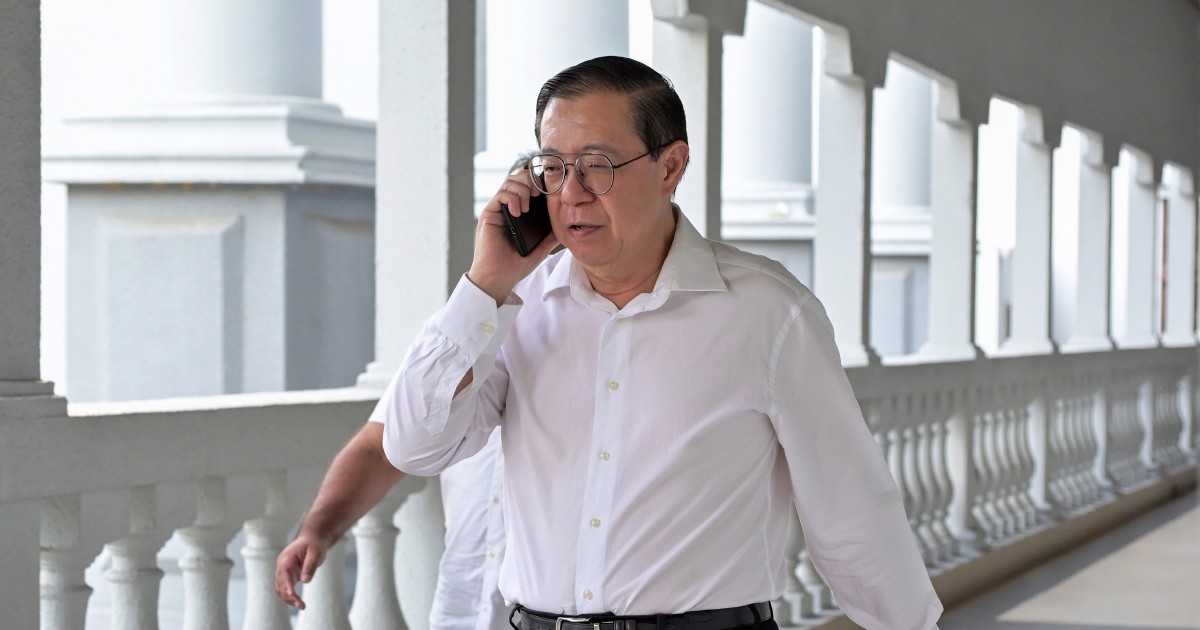
A Malaysian Anti-Corruption Commission investigating officer appeared in court today to contest allegations that his examination of the RM6.3 billion Penang undersea tunnel and major roads initiative was marred by partiality, as the legal proceedings surrounding former Chief Minister Lim Guan Eng's involvement in the infrastructure scheme continue to unfold.
The investigation into this substantial infrastructure project has become one of the more contentious corruption inquiries in recent Malaysian political history, given Lim's prominent position during the previous Pakatan Harapan administration and the scale of the financial commitments involved. The case touches on broader concerns about how major development projects are evaluated and authorised by state governments, and whether sufficient oversight mechanisms exist to prevent misallocation of public resources.
The officer's testimony represents a critical juncture in the trial, as the defence team has apparently sought to undermine the credibility of the investigative process by suggesting that personal prejudices influenced the gathering and interpretation of evidence. Such challenges to investigator impartiality are not uncommon in high-profile corruption cases, particularly when they involve former political figures who may retain substantial public support or whose cases attract significant media attention.
The RM6.3 billion figure represents a substantial portion of Penang state government spending and raises questions about the procedural safeguards that should accompany such major allocations. The undersea tunnel proposal was intended to ease traffic congestion in the densely populated state, but its enormous cost and the subsequent change in state administration created political controversy about whether the project represented good value for taxpayers.
For Malaysian observers, this trial illustrates the complex intersection between political change, anti-corruption enforcement, and judicial processes. Following the 2022 general election, administration at both federal and state levels shifted significantly, creating an environment where investigations initiated under previous governments came under increased scrutiny regarding their motivation and methodology.
The MACC's role as an independent anti-corruption agency carries significant weight in public perception of the integrity of Malaysia's governance framework. When investigations are questioned for potential bias, it reflects broader concerns about whether anti-corruption efforts are genuinely impartial or susceptible to political influence—a distinction that matters considerably to Malaysian citizens already grappling with trust deficits in public institutions.
The investigation's scope apparently encompassed the project's planning, approval processes, contract awards, and implementation. Establishing whether procedures were followed correctly and whether any party gained improper advantage through the scheme requires meticulous examination of documentation and testimony from multiple stakeholders involved in the decision-making chain.
Lim Guan Eng's tenure as Penang Chief Minister from 2018 to 2020 represented a notable period in the state's governance under Pakatan Harapan leadership. His subsequent transition out of this role, combined with broader political realignments, provided the backdrop for intensified scrutiny of major projects authorised during his administration. Whether such scrutiny represents appropriate accountability or selective prosecution remains a point of genuine disagreement among Malaysian observers with different political perspectives.
The testimony presented in court will likely address specific investigative decisions made during the inquiry—how evidence was collected, what sources were consulted, whether particular leads were pursued or abandoned, and what criteria guided the interpretation of findings. The defending officer's ability to articulate and justify these methodological choices becomes crucial in determining whether the court finds merit in bias allegations.
For infrastructure policy in Malaysia and the region more broadly, this case demonstrates the risks that emerge when state-level megaprojects lack sufficient institutional oversight or transparent evaluation mechanisms. Whether the tunnel scheme ultimately represented sound planning or poor resource allocation, the subsequent investigation and trial have consumed considerable political energy and public attention.
Southeast Asian nations increasingly grapple with balancing anti-corruption imperatives against concerns about political weaponisation of enforcement mechanisms. Malaysia's experience with this high-profile case will likely influence expectations about how future investigations are conducted and how the courts assess claims of investigative bias.
The court's ultimate determination—both regarding the substance of corruption allegations and the procedural fairness of the investigation—will have implications extending beyond this single case. A finding that investigations were compromised by bias could undermine public confidence in MACC's broader anti-corruption efforts, while a failure to address legitimate procedural concerns might suggest that independence cannot effectively constrain potential partiality within enforcement agencies.
As proceedings continue, Malaysian political observers and governance advocates will closely monitor how the courts balance accountability for potentially problematic decisions with fairness toward those accused and procedural integrity in anti-corruption investigations themselves.

