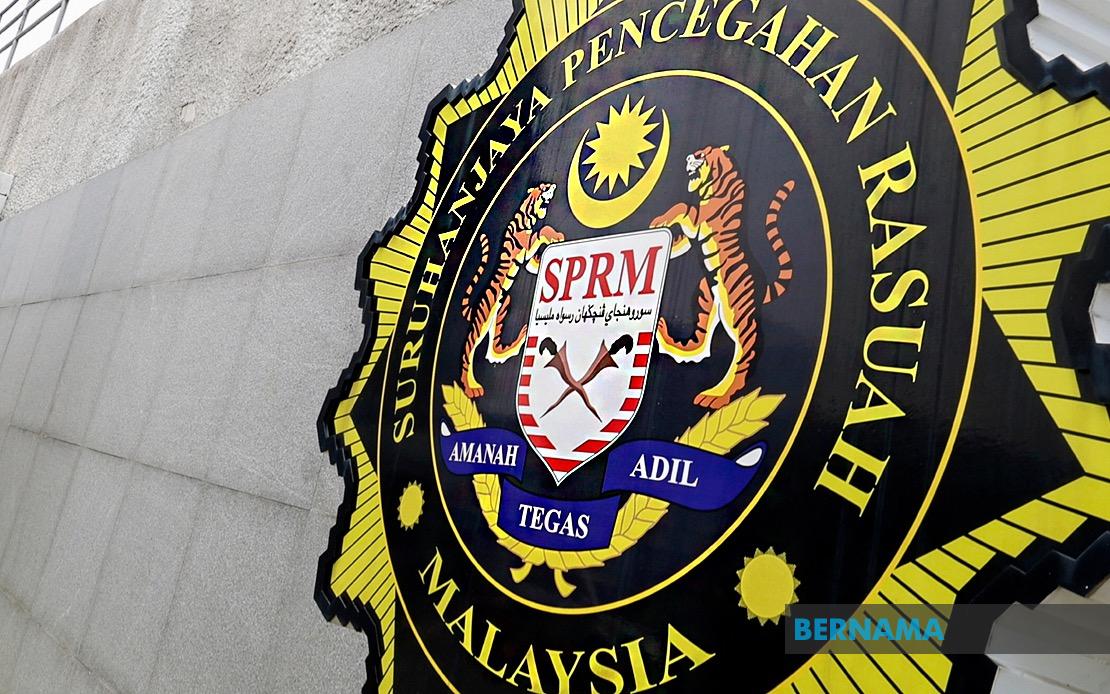
The Malaysian Anti-Corruption Commission has achieved a significant milestone by securing four finalist positions in the ICA Compliance Awards APAC 2026, a prestigious international programme run by the International Compliance Association. This marks the MACC's first entry into the awards, signalling growing international recognition of Malaysia's efforts to combat corruption and strengthen institutional integrity across the public sector.
The commission's representation across multiple categories demonstrates the breadth of its anti-corruption work. Mohd Shukri Mohd Said, the head of Investigation Division Branch C, has been selected as a finalist in the Compliance Leader of the Year category, while Mohammad Nazree Mansor earned recognition in the Rising Star Award category, which typically honours emerging professionals making notable contributions to compliance and integrity fields. These individual nominations reflect the quality of personnel driving MACC's operational effectiveness.
Beyond individual recognition, the MACC has also advanced to the finals in two team-based categories that assess organisational performance. The commission qualified as a finalist in the Compliance Team of the Year category, and additionally secured a nomination in the Small Compliance Team of the Year bracket, reserved for units operating with fewer than seven members. This dual team-category recognition suggests the MACC has demonstrated both large-scale operational excellence and efficient resource deployment within smaller specialised units.
For Malaysia, the nominations carry broader significance beyond institutional prestige. The ICA Compliance Awards APAC serve as a benchmark for anti-corruption and governance standards across the Asia-Pacific region, one of the world's most economically dynamic but diverse areas in terms of institutional maturity. Malaysia's competitive performance positions the country as a serious player in regional efforts to combat financial crime and promote good governance, factors increasingly important to international investors and trading partners assessing regulatory environments.
Datuk Mohd Hafaz Nazar, senior director of the MACC Investigation Division, characterised the nominations as validation of the commission's unwavering focus on strengthening institutional integrity and governance frameworks. His statement emphasised that such international recognition serves as motivation for continued advancement in both domestic and global contexts. The framing reflects awareness among MACC leadership that excellence in anti-corruption work must operate on multiple levels simultaneously—serving immediate national objectives while meeting international standards that enhance Malaysia's credibility abroad.
Mohd Shukri's own perspective highlighted the distinction between individual achievement and institutional representation. He noted that the nomination reflects not merely personal accomplishment but the collective professionalism demonstrated by MACC officers in executing the nation's anti-corruption mandate. This emphasis on institutional dedication rather than singular achievement underscores how anti-corruption agencies function as cohesive systems where individual performance contributes to broader organisational missions.
For Mohammad Nazree, the Rising Star Award nomination represents particular significance in the context of Malaysia's public service development. Emerging professionals earning international recognition help establish career pathways and demonstrate that pursuing excellence in governance and compliance fields offers meaningful professional advancement. His selection may encourage younger civil servants to pursue specialisation in anti-corruption work, potentially strengthening the institutional pipeline that sustains long-term anti-corruption capacity.
The ICA Compliance Awards APAC itself operates within a framework designed to elevate professional standards across the Asia-Pacific region's compliance and integrity sector. As a programme honouring excellence, innovation, collaboration and best practices in compliance, governance and financial crime prevention, it functions partly as a competitive showcase and partly as a networking forum where organisations can learn from peer institutions. Malaysia's participation, particularly with multiple finalist positions in this inaugural entry, signals the MACC's readiness to engage in peer learning and comparative analysis of international best practices.
The International Compliance Association, which has operated since 2001, brings significant institutional credibility to these awards. Having trained more than 160,000 practitioners globally through internationally recognised programmes, the ICA represents established authority in professional compliance standards. The association's track record in raising professional standards suggests that nominations in its awards carry weight in assessing genuine institutional capability rather than reflecting merely aspirational claims.
The announcement of winners is scheduled for a virtual awards ceremony on July 21, enabling participation from across the Asia-Pacific region despite geographical dispersal. This digital format reflects contemporary international professional practices while ensuring accessibility for organisations operating across multiple time zones. For the MACC and Malaysian observers following the outcome, the ceremony will provide clarity on whether the commission's debut participation translates into actual award victories, which would further elevate institutional prestige.
Beyond the immediate competition, the MACC's nomination reflects Malaysia's broader institutional maturity in anti-corruption architecture. The commission's participation in international recognition programmes and its capacity to field competitive candidates across multiple categories suggests an organisation with sufficient depth of expertise and operational sophistication to contribute meaningfully to regional dialogue on governance standards. This institutional strength becomes increasingly relevant as businesses and investors evaluate jurisdictional reliability in Southeast Asia's rapidly evolving economic landscape.