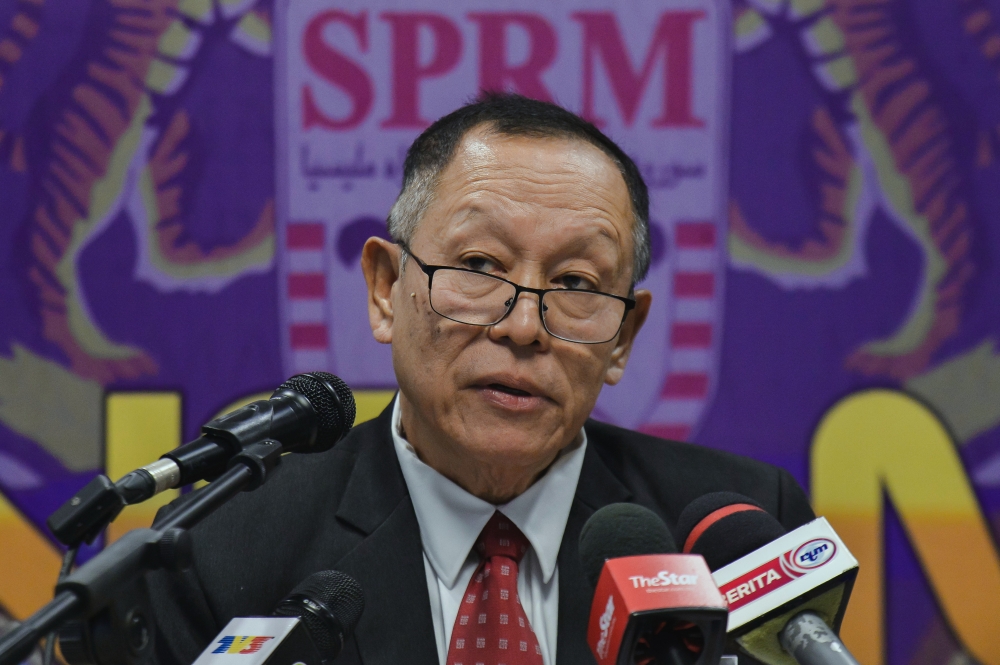
The Malaysian Anti-Corruption Commission is exploring the possibility of enlisting foreign forensic specialists to strengthen its investigation into Tabung Haji, signalling the complexity and scale of the inquiry into Malaysia's pilgrimage fund. Speaking in Kuching on Aug 13, MACC officials indicated that the domestic probe has already consumed substantial resources, with 115 witnesses examined and seven suspects held in custody as investigative work continues at an intensive pace.
This consideration of international expertise underscores the challenges inherent in unravelling what appears to be a multifaceted financial matter. The decision to explore foreign forensic capabilities suggests that MACC leadership recognizes potential gaps in domestic resources or technical capacity that could be addressed through external specialist support. Such moves are not uncommon in high-profile corruption probes involving complex financial instruments or cross-border elements, and typically require careful coordination between Malaysian authorities and potential partner nations or institutions.
Tabung Haji itself remains one of Malaysia's most significant financial institutions, managing billions in assets for Muslim pilgrims and serving as a trusted vehicle for hajj savings among the predominantly Muslim population. The institution's governance and financial integrity therefore carry national importance, with any irregularities potentially affecting public confidence in Malaysian financial management and regulatory oversight. The scale of the current investigation reflects the gravity with which authorities are treating the matter.
The detention of seven individuals represents a substantial intervention, suggesting that MACC has identified persons of interest with alleged connections to the matters under investigation. Malaysian anti-corruption protocols require that detainees be charged or released within prescribed periods, creating time pressure for investigators to consolidate findings and prepare prosecutable cases. The interviewing of 115 witnesses indicates a broad investigative net, potentially spanning multiple departments, transaction chains, and organizational hierarchies within or connected to Tabung Haji.
Foreign forensic assistance, if implemented, could encompass various specializations. Digital forensics might be employed to recover or analyse electronic records and communications; financial forensics could help trace complex fund flows and identify concealment patterns; and document examination could authenticate or identify fraudulent paperwork. The MACC's openness to such collaboration also reflects Malaysia's commitment to international best practices in anti-corruption work, positioning the country as serious about accountability regardless of domestic limitations.
The timing of this announcement coincides with heightened public scrutiny of financial institutions and governance across Southeast Asia. Several regional countries have undertaken major investigations into fund management in recent years, establishing precedents for deploying advanced forensic techniques and international cooperation. Malaysia's approach signals alignment with these regional standards and a determination to demonstrate institutional capacity to handle sensitive probes thoroughly and professionally.
Engaging foreign expertise also carries diplomatic and reputational dimensions. It signals to investors and international observers that Malaysia takes financial governance seriously enough to seek the best available investigative tools. Conversely, the visibility of external involvement could invite scrutiny of Malaysian institutions' internal control mechanisms and raise questions about how such irregularities, if confirmed, were not detected earlier through standard compliance and audit procedures.
The Tabung Haji investigation will likely influence ongoing policy discussions about financial institution oversight and the adequacy of domestic regulatory frameworks. If the probe identifies systemic weaknesses, recommendations for strengthened governance standards, audit protocols, or supervisory mechanisms could follow. Such reforms would extend beyond Tabung Haji itself, potentially affecting how Malaysia structures oversight of similar institutions managing public assets or dedicated savings schemes.
For Malaysian citizens, particularly the millions of pilgrims relying on Tabung Haji for hajj financing, the investigation carries personal implications. Confidence in the institution's security and proper management of funds is essential for participation rates and public savings behaviour. MACC's transparency about investigative progress, while respecting sub judice constraints, helps maintain public trust that wrongdoing, if substantiated, will be addressed through the justice system.
The consideration of foreign forensic help also reflects the borderless nature of modern financial crime. If any irregularities involve offshore accounts, foreign intermediaries, or cross-border transactions, domestic expertise alone may prove insufficient. International cooperation frameworks, including mutual legal assistance treaties and shared forensic capabilities, have become standard in complex financial investigations across developed economies and increasingly across Southeast Asia.
As the investigation progresses, the MACC's decisions regarding international engagement will be closely monitored by governance observers, financial regulators, and civil society organizations tracking anti-corruption efforts in Malaysia. The outcome of the Tabung Haji inquiry will likely serve as a benchmark for how Malaysian institutions handle major corruption investigations and the extent to which international collaboration enhances investigative outcomes.

