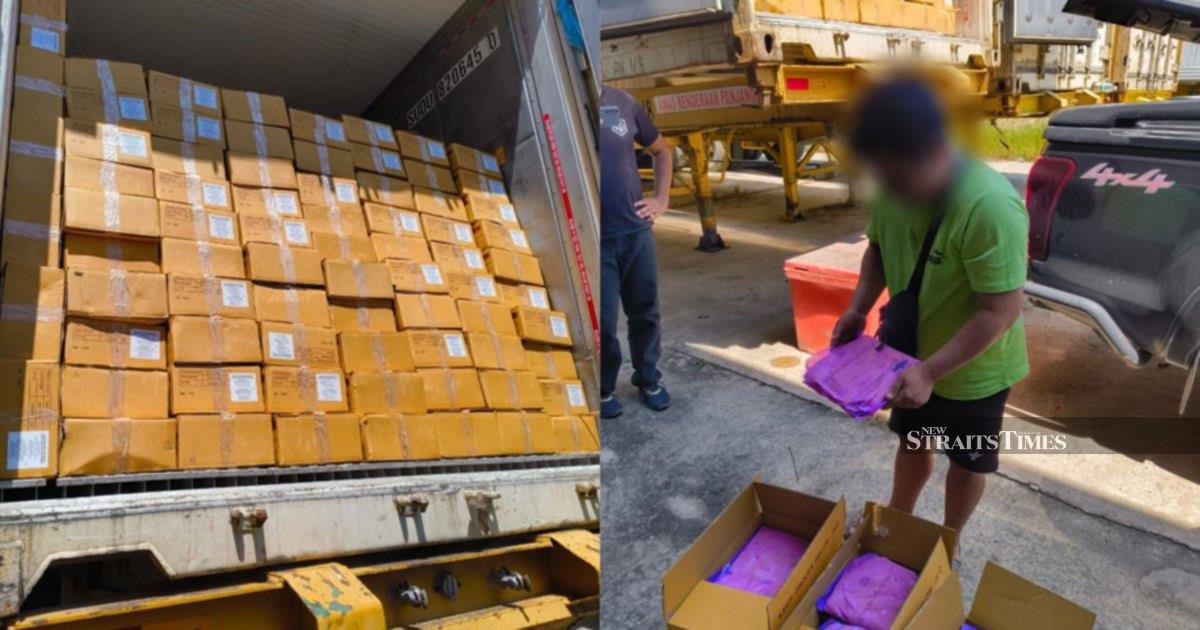
The Malaysian Anti-Corruption Commission has successfully disrupted a large-scale smuggling operation centred on the illegal importation of frozen chicken from China into Sabah, signalling renewed enforcement momentum against food security breaches in the East Malaysian state. The operation dismantled what investigators described as a structured criminal syndicate with established distribution channels, highlighting vulnerabilities in port security and customs procedures that have long plagued the region's supply chain.
The intervention targets one of Southeast Asia's persistent contraband challenges, where organised networks exploit porous borders and overwhelmed enforcement resources to move substandard or prohibited food products across maritime routes. Sabah, geographically positioned as a natural entry point for illegal goods destined for Malaysian markets, has emerged as a focal point for such operations due to its extended coastline and multiple port facilities. The frozen chicken trade represents a particularly lucrative smuggling avenue, given sustained domestic demand and significant price differentials between legal and illicit supply chains.
Anti-corruption authorities typically pursue such cases because the smuggling operations frequently involve complicity from officials at customs, port authorities, and agricultural agencies, creating layers of bribery and systemic corruption that undermine legitimate trade. By targeting the syndicate structure itself rather than isolated shipments, the MACC has adopted an intelligence-led approach that recognises these networks as organised crime operations with hierarchical command structures and embedded corruption relationships. This strategic shift reflects evolving enforcement philosophy across Malaysian law enforcement agencies.
The illegal frozen chicken trade carries broader implications for Malaysian consumers and legitimate poultry producers. Contraband products typically bypass food safety inspections, quarantine protocols, and veterinary certifications required for legitimate imports, creating potential public health risks including exposure to undeclared additives, pathogens, or disease vectors. The economic impact extends beyond food safety concerns, as smuggled goods undercut legitimate importers and domestic producers, distorting competitive pricing and eroding tax revenues that fund essential health and agricultural services.
Sabah's vulnerability to such smuggling reflects structural realities facing the state. The territory's geographic isolation, significant distance from peninsular Malaysia, and limited enforcement resources create operational advantages for criminal syndicates. Additionally, cross-border proximity to the Philippines and Indonesia, combined with informal maritime trade traditions, provides cover for illegal operations that blend into legitimate regional commerce. Authorities have documented increasing sophistication among smuggling networks, which deploy advanced logistics, communication systems, and financial mechanisms to evade detection.
The MACC's intervention underscores growing coordination among Malaysian law enforcement agencies tasked with combating food fraud and supply chain crimes. The commission's mandate encompasses both corruption investigation and organised crime suppression, positioning it as a logical authority for pursuing cases where official complicity enables illicit operations. This institutional arrangement reflects international best practice in tackling smuggling, which requires investigation of both criminal networks and the public sector actors enabling their activities.
Government data suggests frozen chicken smuggling has persisted as a chronic enforcement challenge, with periodic interdictions yielding limited deterrent impact until systematic network disruption occurs. Addressing the phenomenon requires simultaneous attention to corruption vulnerabilities within customs and port operations, technological improvements in cargo screening, and international cooperation with neighbouring countries whose ports serve as transshipment points for contraband destined for Malaysian markets. Enforcement success depends ultimately on removing profitable incentives for both criminals and the officials who facilitate their operations.
The Sabah operation signals potential momentum in addressing food smuggling across Malaysian territories, where competing pressures on enforcement resources have historically limited progress against organised importation schemes. Success cases typically generate operational intelligence valuable for identifying associated networks, money laundering pathways, and corruption relationships spanning multiple agencies. Intelligence gathered from dismantled syndicates often informs subsequent investigations into connected organisations operating similar schemes elsewhere in the country.
For Malaysian consumers, particularly those in Sabah and surrounding regions, the enforcement action highlights the invisible but consequential work of regulatory agencies in protecting domestic markets from substandard imports. Price-sensitive consumers sometimes unwittingly purchase smuggled poultry products at discount retailers, unaware of provenance or safety certifications. Public awareness campaigns accompanying enforcement actions serve broader purposes of educating consumers about food safety risks and the economic consequences of purchasing contraband goods.
The broader policy environment now encompasses heightened agricultural security concerns, amplified by pandemic-era disruptions to legitimate supply chains and growing realisation of critical infrastructure vulnerabilities. Smuggling networks exploit temporary supply disruptions and price volatility to establish market footholds, sometimes transitioning from temporary operations to permanent distribution channels serving both retail and food service establishments. Dismantling established syndicates therefore represents preventive action against deepening market infiltration.
Looking forward, sustained success against such operations requires complementary investments in customs technology, inter-agency coordination frameworks, and intelligence sharing protocols that enable authorities to anticipate emerging smuggling methodologies. Regional cooperation mechanisms involving Malaysia, Indonesia, and the Philippines remain underdeveloped relative to the scale of maritime smuggling, leaving significant gaps in enforcement coverage. MACC's intervention in Sabah demonstrates institutional capacity for organised crime suppression, yet systemic vulnerabilities in border security and port operations persist across Malaysian jurisdictions.

