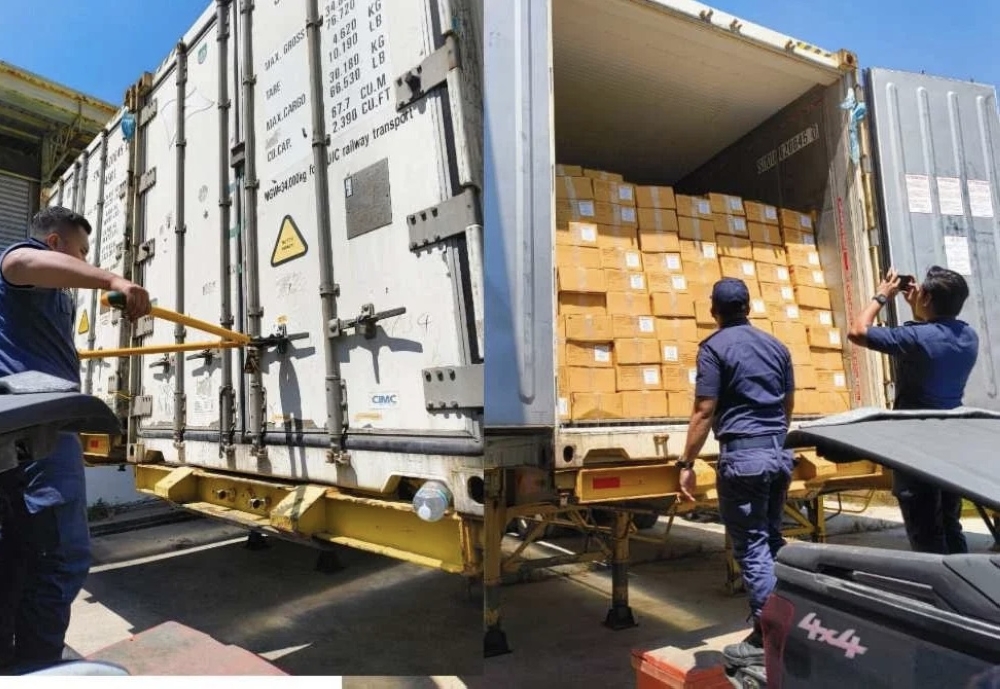
The Malaysian Anti-Corruption Commission has successfully dismantled an organised syndicate involved in the clandestine importation of frozen chicken from China, with three suspects now in custody following coordinated enforcement operations in Sabah. The crackdown, dubbed Operation Chick, represents a significant effort to combat smuggling networks that have been exploiting gaps in Malaysia's border security and food import control systems, allowing contraband poultry products to enter the domestic market without proper documentation or safety certification.
This enforcement action highlights a persistent vulnerability in Malaysia's supply chain security, particularly in East Malaysia where ports and entry points have historically faced resource constraints. Sabah's geographical position and maritime borders with the Philippines and Indonesia create natural corridors for illicit trade, and poultry smuggling has emerged as a particularly lucrative enterprise given sustained domestic demand and price differentials between regional markets. The syndicate's operations would have undermined legitimate traders who comply with stringent halal certification requirements, veterinary health standards, and import duties imposed by Malaysian authorities.
The detained individuals are suspected of orchestrating the illegal movement of frozen chicken shipments through unofficial channels, likely involving falsified documentation, bribery of officials, or deliberate misdeclaration of cargo contents to evade detection by customs and port authorities. Such operations typically rely on networks of corrupt intermediaries positioned at ports and border checkpoints who facilitate the passage of contraband in exchange for financial incentives. The scale of the operation remains under investigation, but successful interdiction of even a single smuggling ring carries implications for public health oversight and fiscal losses to the government through uncollected import duties and taxes.
Food security remains a critical concern for Malaysian policymakers, and the introduction of undocumented poultry products poses tangible risks to consumers. Without proper veterinary inspection and certification, imported frozen chicken cannot be verified to meet food safety standards or to originate from establishments compliant with international hygiene protocols. The absence of traceability documentation also complicates outbreak investigations should contaminated products enter the food chain, potentially affecting thousands of consumers before detection. This particular vulnerability intersects with broader concerns about antimicrobial resistance in livestock, as chicken sourced from operations with inadequate veterinary oversight may carry antibiotic-resistant pathogens.
The involvement of the MACC indicates that corruption played a material role in enabling the syndicate's activities, suggesting that bribing of customs personnel, port inspectors, or other government officials facilitated the regular passage of shipments. Such corruption undermines institutional integrity and creates perverse incentives that distort competitive dynamics within Malaysia's poultry sector. Legitimate importers and domestic producers who invest in compliance infrastructure find themselves disadvantaged against smugglers offering cheaper products obtained through illegal channels, thereby discouraging investment in legal import operations and domestic production capacity.
Sabah's role as a focal point for this particular enforcement action reflects broader patterns of smuggling activity in the state. Geographic factors, including lengthy coastlines and proximity to major shipping routes traversing the South China Sea, combine with limited enforcement capacity to create an environment where organised criminal syndicates can operate with relative impunity. The state's importance as a commercial hub and its connections to regional supply networks make it an attractive operational base for smugglers seeking to distribute contraband throughout Malaysia and potentially further afield to neighbouring countries.
The timing of Operation Chick occurs amid heightened scrutiny of food import practices across Southeast Asia, where governments have increasingly recognised the need for robust border controls in response to both security threats and public health imperatives. Malaysia's experience aligns with challenges faced by other regional nations, where weak coordination between customs, port authorities, and food safety regulators creates opportunities for smugglers. The operation demonstrates the value of inter-agency cooperation and specialised enforcement units dedicated to tackling organised smuggling networks that would otherwise escape conventional regulatory oversight.
Investigators will now focus on tracing the full extent of the syndicate's operations, including identification of upstream suppliers in China, downstream distribution networks within Malaysia, and financial flows connected to the enterprise. Examination of shipping records, port documentation, and telecommunications data will likely reveal the hierarchical structure of the organisation and identify additional individuals complicit in facilitating the scheme. The findings may also expose systemic vulnerabilities in Malaysia's port security and customs procedures that require remedial measures to prevent similar operations from emerging.
The broader implications of this enforcement action extend beyond the immediate disruption of a single smuggling operation. Success against organised smuggling networks creates deterrent effects that raise operational costs and risks for other potential syndicate operators, thereby discouraging future participation in contraband trade. Conversely, high-profile prosecutions of corrupt officials implicated in facilitating smuggling can strengthen institutional integrity and reinforce commitment to compliance among personnel positioned at critical control points. The case underscores the importance of sustained investment in border security infrastructure, training of enforcement personnel, and inter-agency information sharing systems that enable early detection of emerging smuggling routes and operational methods.

