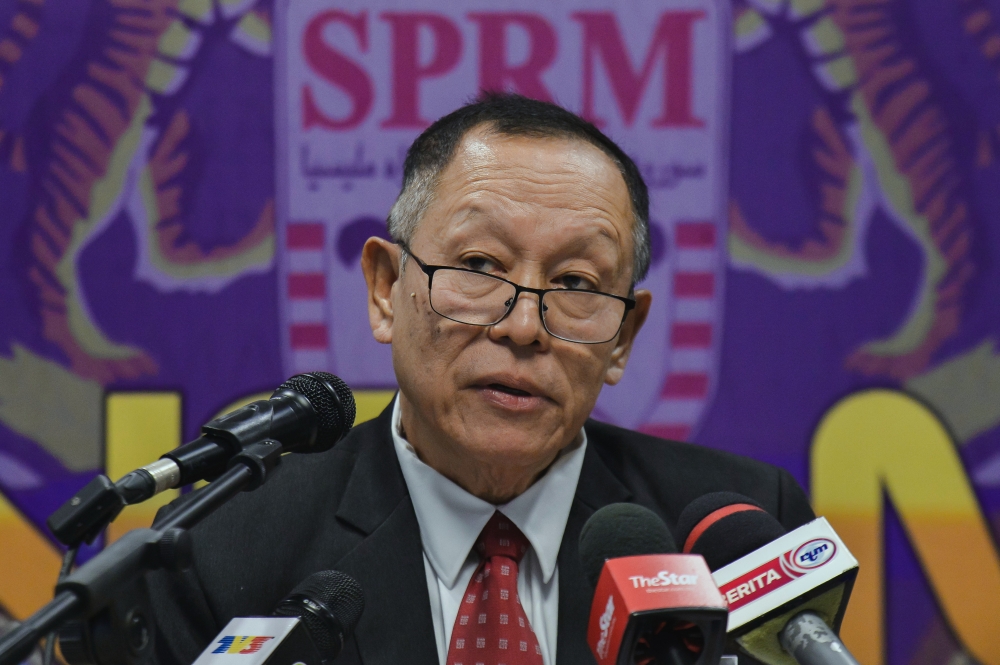
The Malaysian Anti-Corruption Commission made two high-profile arrests this week in connection with a large-scale plantation acquisition that has drawn scrutiny from anti-graft authorities. The detained individuals, identified as the former chief executive officer and chief financial officer of the company involved, are suspected of misusing their positions during the execution of a RM370 million transaction. The arrests represent MACC's continued focus on rooting out white-collar corruption within Malaysia's corporate sector, particularly in major commercial deals that shape the nation's commodity industries.
The investigation centres on allegations that the two executives abused their authority while overseeing the contested plantation arrangement. Such cases have become increasingly prominent as Malaysian authorities seek to demonstrate commitment to tackling financial misconduct at senior management levels. The scale of the deal—exceeding RM370 million—underscores the magnitude of funds at stake and the potential financial impact should irregularities be substantiated through the investigation process.
Plantation assets remain strategically important to Malaysia's economy, representing a significant revenue source and employment generator across multiple regions. Allegations involving mismanagement of major transactions within this sector carry broader implications for investor confidence and governance standards. The MACC's intervention signals that corporate scrutiny extends beyond state-linked entities to privately managed operations handling substantial capital movements.
The nature of such allegations typically encompasses questions surrounding procurement processes, asset valuations, and whether proper governance frameworks were observed during acquisition negotiations. When senior executives face detention, it often reflects investigative teams uncovering patterns suggesting systemic deviation from established protocols. The commission's decision to move swiftly with arrests indicates investigators possessed sufficient preliminary evidence to justify taking both individuals into custody for formal questioning and evidence gathering.
For Malaysian businesses engaged in cross-border plantation ventures or significant asset acquisitions, this case serves as a reminder of regulatory expectations. MACC maintains wide investigative powers and can compel cooperation from company officials, audit teams, and third-party service providers involved in transaction execution. The arrest of two C-suite executives—whose collective responsibility typically encompasses fiduciary oversight—suggests allegations may have permeated multiple layers of decision-making.
The timing of the arrests reflects MACC's operational priorities during a period of intensified focus on corporate accountability. Malaysian anti-corruption efforts have matured significantly, moving beyond conventional bribery investigations toward sophisticated financial crime detection. Assets worth RM370 million represent precisely the transaction size that attracts heightened regulatory attention, particularly when internal corporate controls appear to have failed in preventing alleged misconduct.
Both individuals remain subject to investigation protocols established under Malaysian anti-corruption legislation. Their detention status will depend on investigative progress and prosecutors' assessments regarding charges. Corporate sector observers note that such high-profile cases often conclude with lengthy legal processes, creating prolonged uncertainty within affected organisations and potentially destabilising management structures during critical operational periods.
The plantation industry specifically requires careful governance given its labour-intensive operations, environmental sensitivities, and intricate supply chains involving multiple jurisdictions. Any proven misconduct affecting major transactions within this sector carries implications extending beyond financial metrics to encompass reputational damage affecting Malaysia's international standing as a responsible resource manager. Foreign investors, particularly those evaluating Southeast Asian opportunities, closely monitor such enforcement actions as indicators of local governance standards.
Beyond the immediate investigation, this case illustrates broader trends in Malaysian corporate enforcement where anti-corruption bodies increasingly target boardroom-level conduct. The transition from targeting lower-level corruption toward senior management accountability reflects institutional maturation and expanding analytical capacity within MACC. Transaction-level investigations demand sophisticated forensic accounting expertise and access to banking records, requiring coordination among multiple government agencies.
Stakeholders within Malaysia's business community continue adapting to stricter compliance environments where executives face personal liability for organisational misconduct. Insurance providers offering corporate governance products, audit firms, and legal advisors report heightened demand for risk mitigation services as companies recognise vulnerability to regulatory action. The RM370 million transaction—substantial by local standards—would have involved numerous transaction stages offering multiple control points where alleged irregularities might have occurred.
The investigation will likely illuminate whether internal audit functions, independent directors, or external advisors identified concerns during the deal execution phase. Such findings often reveal governance gaps suggesting systemic weaknesses requiring board-level remediation. For the companies and industries affected, restoration of investor confidence depends partly on demonstrating renewed commitment to ethical business practices through enhanced control mechanisms and transparent reporting frameworks.

