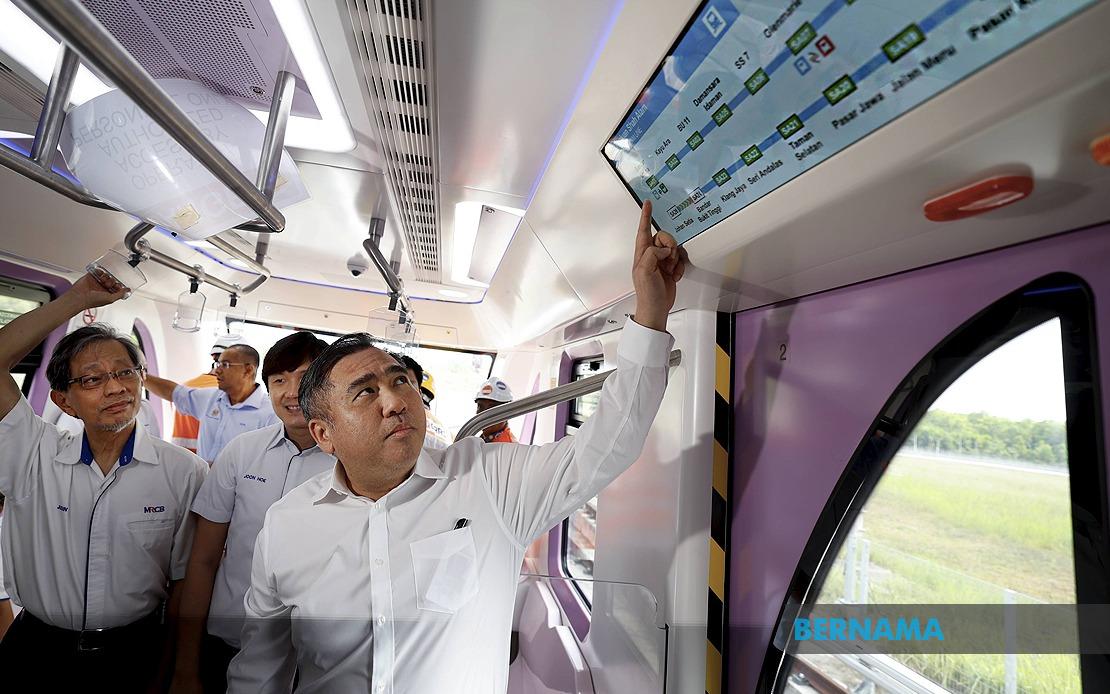
The Light Rail Transit 3 line, a major infrastructure project designed to serve the western corridor of the Klang Valley, will begin passenger operations on June 29, Transport Minister Anthony Loke announced on Saturday. The 37.8-kilometre network connecting Bandar Utama through Shah Alam to Johan Setia represents a significant expansion of Malaysia's rail transport capacity in one of the country's most densely populated regions.
Prime Minister Datuk Seri Anwar Ibrahim will officiate the launch ceremony this Sunday, marking a milestone in Malaysia's long-term public transportation strategy. The formal inauguration precedes the immediate commencement of regular passenger services the following day, allowing the system to move quickly from ceremonial opening to delivering connectivity for commuters across the metropolitan area. Loke made the announcement while inaugurating a new Road Transport Department branch at Terminal Bersepadu Selatan in Kuala Lumpur, underscoring the government's broader commitment to modernising the country's transport infrastructure.
The LRT3 project addresses a critical transportation gap in the Klang Valley's western zones, where residential expansion has outpaced the availability of modern rapid transit options. By connecting Shah Alam and its surrounding municipalities through a dedicated rail corridor, the system aims to reduce road congestion, lower carbon emissions, and provide a reliable alternative to private vehicle use. The timing of the launch reflects years of construction and integration work required to bring such a complex network into operational readiness.
The projected beneficiary population of approximately two million residents underscores the strategic importance of this project to the broader Selangor economy. These residents span multiple local authorities and include workers commuting to employment centres, students accessing educational institutions, and shoppers patronising commercial districts along the corridor. The comprehensive coverage means the project affects a significant cross-section of Malaysia's workforce and consumer base.
Designers positioned the LRT3 to serve a diverse array of functional zones rather than concentrating on a single economic hub. The line traverses residential neighbourhoods, commercial centres, and industrial areas, acknowledging that modern metropolitan regions require transport systems that facilitate multiple types of journeys throughout the day. This multipurpose design distinguishes it from earlier transit projects that primarily served single dominant destinations.
For Malaysian readers, the LRT3's opening represents tangible progress on infrastructure commitments that frequently face delays and cost overruns. The on-schedule launch, if maintained, would demonstrate improved project management capabilities within Malaysia's transport sector. Such success could influence confidence in other megaprojects currently under development or planned for the region, including extensions to other rail networks and rapid transit corridors.
The integration of LRT3 into the broader Klang Valley transport ecosystem requires careful coordination with existing bus networks, feeder services, and intercity rail connections. Passengers will expect seamless transfers and integrated ticketing systems that reduce friction in their journeys. The success of these connectivity arrangements will largely determine whether the system achieves its projected ridership targets and generates the congestion-reduction benefits planners envision.
Sustainability considerations align the LRT3 project with Malaysia's broader environmental objectives. By shifting passenger volumes from private vehicles to electric rail transit, the system contributes to reducing urban air pollution and lowering the transport sector's carbon footprint. For a country increasingly focused on positioning itself as an environmental leader within Southeast Asia, such infrastructure investments carry symbolic as well as practical significance.
The project's economic implications extend beyond immediate passenger revenues. Construction employment during development phases provided income to thousands of workers, while the operational phase will create permanent jobs in system maintenance, customer service, and station management. Supply chain benefits accrued to component manufacturers and service providers throughout the development period, distributing economic stimulus across multiple sectors.
Regional perspectives suggest the LRT3 success could influence transport policy discussions across Southeast Asia, where rapid urbanisation creates similar connectivity challenges. Other countries considering comparable projects will observe how Malaysia executes its design, manages operations, and achieves financial sustainability. Neighbouring nations planning their own metropolitan rail expansions may adopt elements of the LRT3 model or learn from any operational difficulties that emerge.
Looking forward, the LRT3 represents an interim stage in the Klang Valley's transport evolution rather than a final solution. Transport planners are already considering network extensions that could eventually connect to other rapid transit lines, creating a comprehensive metropolitan rail system. The success of LRT3 operations and its acceptance by commuters will inform the business cases and designs for these future expansions.
The June 29 commencement date marks the culmination of planning processes that began years earlier. Officials credited project teams for meeting challenging construction timelines and technical specifications while maintaining safety standards throughout the build period. The transition from construction to operations represents a critical juncture where theoretical planning meets real-world performance demands.